
• Skip to main content
  • Skip to primary sidebar

Schisandra & Bergamot logo

menu icon
go to homepage
  • Index
  • Subscribe
  • About
  • Contact
  • Daily Herb
    • Facebook
    • Instagram
    • Pinterest
  • subscribe
    search icon
    Homepage link
    • Index
    • Subscribe
    • About
    • Contact
    • Daily Herb
    • Facebook
    • Instagram
    • Pinterest
  • ร—
    Home ยป Trending

    Published: Aug 11, 2025 by Kristen Wood ยท This post may contain affiliate links. If you make a purchase through links on our site, we may earn a commission. ยท

    13 Mistakes That Could Be Killing Your Garden's Pollinators

    13 shares
    • Facebook
    • Reddit

    Pollinators like bees, butterflies, and hummingbirds are essential to a healthy garden. They help plants thrive, boost crop yields, and keep ecosystems in balance. But even well-meaning gardeners can make simple mistakes that accidentally push these important creatures away.

    If you want your garden to truly support pollinators, make sure youโ€™re not guilty of any of these 13 common slip-ups.

    Using Pesticides (Even "Natural" Ones)

    Person wearing yellow gloves sprays pesticide or fertilizer on cabbage plants in a field using a handheld sprayer. Rows of leafy crops are visible in the background.
    Photo Credit: Pressmaster/Envato

    Many pesticidesโ€”even organic onesโ€”can harm bees and butterflies. Apply them only when absolutely necessary, and never during bloom.

    Mowing Down Flowering Weeds

    A man wearing protective clothing uses a string trimmer to cut overgrown grass and dandelions in a garden next to a dense hedge.
    Photo Credit: Shandor_gor/Envato

    Dandelions, clover, and other "weeds" are early-season food for pollinators. Letting a few bloom can provide a much-needed nectar source.

    HERB OF THE DAY ยท Explore todayโ€™s herb โ†’

    Planting Only Hybrids or Ornamentals

    Potted flowering plants and shrubs arranged outdoors, featuring pink, red, and purple blooms alongside green and variegated foliage.
    Photo Credit: Studio_OMG/Envato

    Showy flowers bred for looks often lack nectar or pollen. Native plants are a better bet for keeping pollinators coming back.

    Not Providing a Water Source

    A bamboo pipe pours water into a stone basin surrounded by moss and green plants in a natural outdoor setting.
    Photo Credit: leungchopan/Envato

    Pollinators need water too! A shallow dish with pebbles or a birdbath with landing spots can make your garden more welcoming.

    Cleaning Up Too Thoroughly in Fall

    A woman wearing sunglasses and a scarf rakes fallen autumn leaves in a yard with two rakes, one blue and one orange.
    Photo Credit: davidprahl/Envato

    Dead stems and leaf piles offer overwintering spots for bees and butterflies. Leave some garden debris until spring to protect them.

    Planting a Monoculture

    Two people plant a small sapling; one uses a trowel and adjusts the soil while the other waters the plant with a green watering can.
    Photo Credit: Ngampol7380/Envato

    A single type of flower or crop doesnโ€™t support a diverse pollinator population. Aim for a mix of shapes, sizes, and bloom times.

    Letting the Garden Go Bare in Early Spring

    Raised garden beds with young plants and a terracotta cloche are set on a grassy plot, with a fruit tree and additional beds in the background.
    Photo Credit: wirestock/Envato

    Early-season blooms are critical for pollinators emerging from winter. Include spring bloomers like crocus or lungwort to feed them early.

    Using Mulch Too Heavily

    Person wearing gardening gloves spreads bark mulch around green plants in a garden bed.
    Photo Credit: Maria_Sbytova/Envato

    Thick mulch can block access to the soil for ground-nesting bees. Leave some bare patches to give them a place to burrow.

    Forgetting Night Pollinators

    A pale butterfly rests on a small white flower, surrounded by other white flowers against a dark, blurred background.
    Photo Credit: gutarovaalena/Envato

    Moths and bats also pollinate. Evening-blooming plants like evening primrose or moonflower help support them too.

    Overdoing Artificial Light

    Several exposed light bulbs and strings of small fairy lights are hanging outdoors at night, illuminating a wooded area in the background.
    Photo Credit: StudioPeace/Envato

    Too much outdoor lighting can confuse or disrupt nocturnal pollinators. Turn off garden lights at night or use motion sensors.

    Skipping Host Plants for Caterpillars
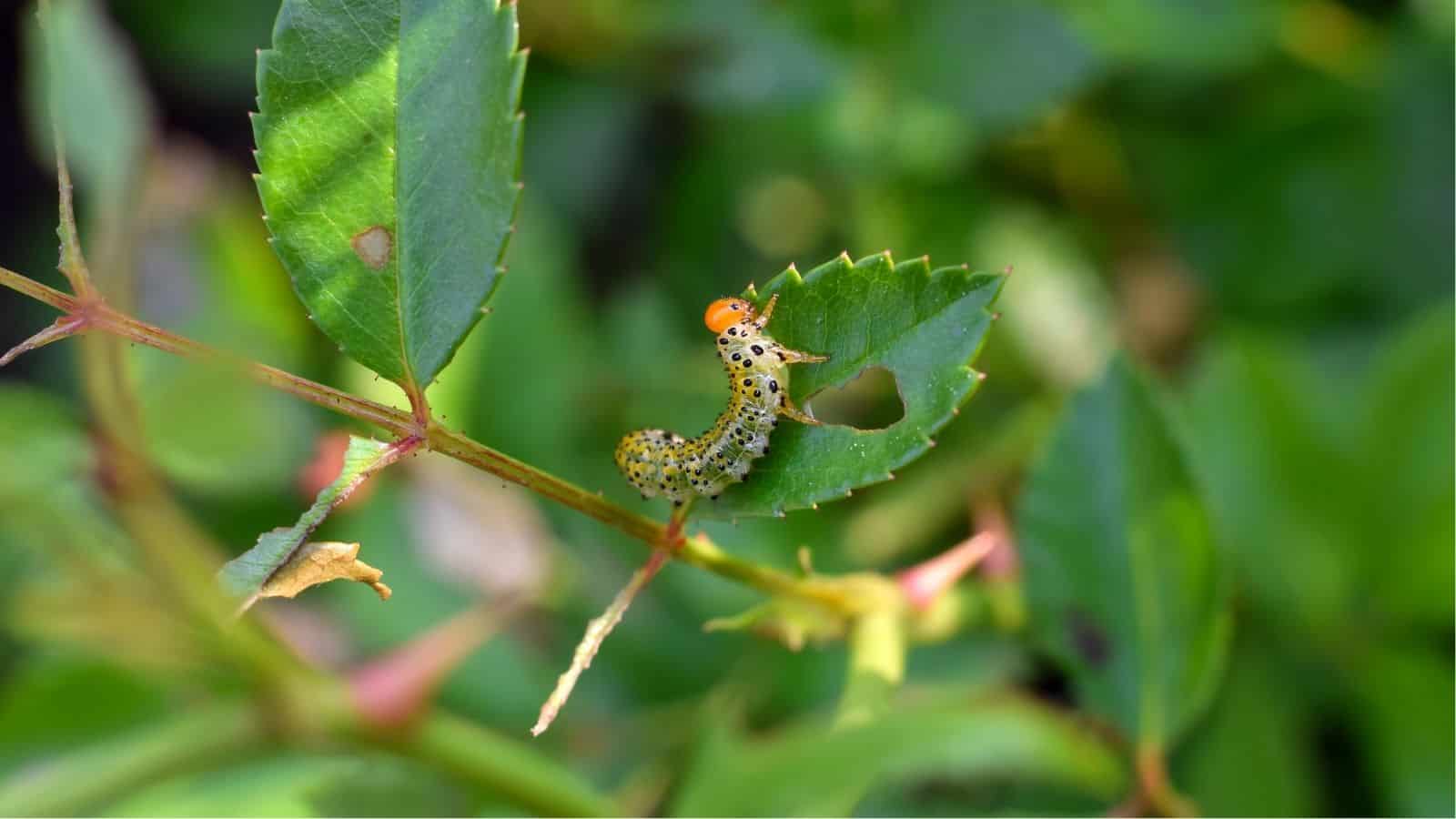
    A yellow and black spotted caterpillar with an orange head is eating the edge of a green leaf on a plant with other leaves in the background.
    Photo Credit: JulieAlexK/Envato

    \Butterflies need more than nectarโ€”they lay eggs on specific host plants. Grow milkweed for monarchs or fennel for swallowtails.

    Neglecting Native Plants

    Potted evergreen plants and a pair of small gardening tools are arranged on the ground outdoors.
    Photo Credit: Simol1407/Envato

    Local pollinators evolved with native plants and often rely on them. Adding native varieties helps maintain biodiversity in your area.

    Not Gardening Organically

    A woman kneels in a garden bed, using a small trowel to plant seedlings in rows of soil. Gardening tools and young plants are visible around her.
    Photo Credit: albertolopezphoto/Envato

    Conventional fertilizers and sprays can affect pollinator health. Organic gardening practices support safer, more balanced ecosystems.

    Your garden has the power to be a safe haven for pollinatorsโ€”but only if you're mindful of what helps and harms them. Avoid these common mistakes, and youโ€™ll see more wings, buzz, and beauty in your garden in no time.

    More Trending

    • A woman talking on a cell phone.
      15 overlooked spots in your home that need winter attention
    • Person holding a potted plant and a spray bottle stands in a kitchen with green cabinetry and wooden shelves in the background.
      15 indoor gardening habits that pay off year-round
    • An older woman and a young girl sit on a couch smiling at each other while looking at an open book in the girl's lap.
      15 practical skills grandparents learned early that still matter
    • A woman in an apron holds a potted plant in one hand and makes a peace sign with the other, standing against a pink background.
      15 plants that symbolize renewal, rest, and winter wisdom

    About Kristen Wood

    Kristen is a plant lover, gardener, certified functional nutritional expert, cookbook author, writer, and photographer. Her work has been featured in many online and print publications including Willow & Sage Magazine, Forbes, NBC, New York Daily News, Healthline, MSN, Elle, Yoga Journal, and many more. She is also a syndicated writer for The Associated Press.

    Reader Interactions

    Comments

    No Comments

    Leave a Reply Cancel reply

    Your email address will not be published. Required fields are marked *

    Recipe Rating


    Primary Sidebar

    A close up of a woman's face in the sun, radiating with the gentle glow of schisandra and bergamot home.

    About Kristen Wood

    Kristen is a plant lover, gardener, certified functional nutritional expert, cookbook author, writer, and photographer. Her work has been featured in many online and print publications including Willow & Sage Magazine, Forbes, NBC, New York Daily News, Healthline, MSN, Elle, Yoga Journal, and many more. She is also a syndicated writer for The Associated Press.

    Learn more about me โ†’

    Herb of the Day

    Meet todayโ€™s featured herb with gentle kitchen ideas, botanical notes, folklore, and a quiet reflection to take with you.

    Explore Todayโ€™s Herb

    Follow us!

    Footer

    โ†‘ back to top

    About

    • Privacy Policy
    • Google Web Stories
    • Accessibility Statement
    • Disclaimer

    Newsletter

    • Sign up for our newsletter to receive our latest posts!

    Contact

    • Contact

    Copyright ยฉ 2026 Schisandra & Bergamot
    Disclaimer: As An Amazon Associate I Earn From Qualifying Purchases.

    Herb of the Day

    Discover todayโ€™s featured herb with simple kitchen ideas, botanical notes, folklore, and a reflective message.

    Explore
    13 shares