
• Skip to main content
  • Skip to primary sidebar

Schisandra & Bergamot logo

menu icon
go to homepage
  • Index
  • Subscribe
  • About
  • Contact
  • Videos
    • Facebook
    • Instagram
    • Pinterest
  • subscribe
    search icon
    Homepage link
    • Index
    • Subscribe
    • About
    • Contact
    • Videos
    • Facebook
    • Instagram
    • Pinterest
  • ×
    Home » Trending

    Published: Oct 10, 2025 by Kristen Wood · This post may contain affiliate links. If you make a purchase through links on our site, we may earn a commission. ·

    10 Natural Alternatives I Use Instead of Mulch

    2 shares
    • Facebook
    • Reddit

    Mulch is great for locking in moisture and keeping weeds at bay, but traditional bark or wood chips aren’t your only options. Over the years, I’ve found several natural and budget-friendly alternatives that work just as well—and often look even better. These options are easy to find, good for the soil, and help create a more sustainable garden.

    Whether you’re refreshing flower beds or covering bare spots around trees, these natural materials offer all the same benefits as mulch—plus a few extra perks. Here are 10 mulch alternatives I personally use to keep my garden thriving year after year.

    Grass Clippings

    A rusty wheelbarrow filled with freshly cut grass is positioned on a lawn, with a metal rake lying nearby.
    Photo Credit: protastyfood/Envato

    Freshly cut grass is a free and effective mulch substitute. It decomposes quickly, adding nutrients back into the soil. Just make sure the clippings are dry before spreading to prevent matting.

    Shredded Leaves

    Close-up view of a scattered layer of dried, thinly sliced yellowish-brown leaves or plant material, covering the entire frame.
    Photo Credit: ganajp/Deposit Photos

    Fallen leaves are one of my favorite natural mulches. They break down over time to enrich the soil with organic matter and provide excellent insulation for plant roots.

    Pine Needles

    Close-up of a pine tree branch with green needles and light brown pine cones in focus.
    Photo Credit: victoriamew/Pixabay

    If you have pine trees nearby, you already have a ready supply of mulch. Pine needles create a light, airy layer that’s ideal for acid-loving plants like azaleas and blueberries.

    Compost

    A pitchfork lifts a pile of decaying plant material and weeds inside a wooden compost bin.
    Photo Credit: alexandrabeganskaya/Envato

    Compost works double-duty—it nourishes plants while covering exposed soil. Spread a thin layer to retain moisture and improve fertility throughout the season.

    Straw
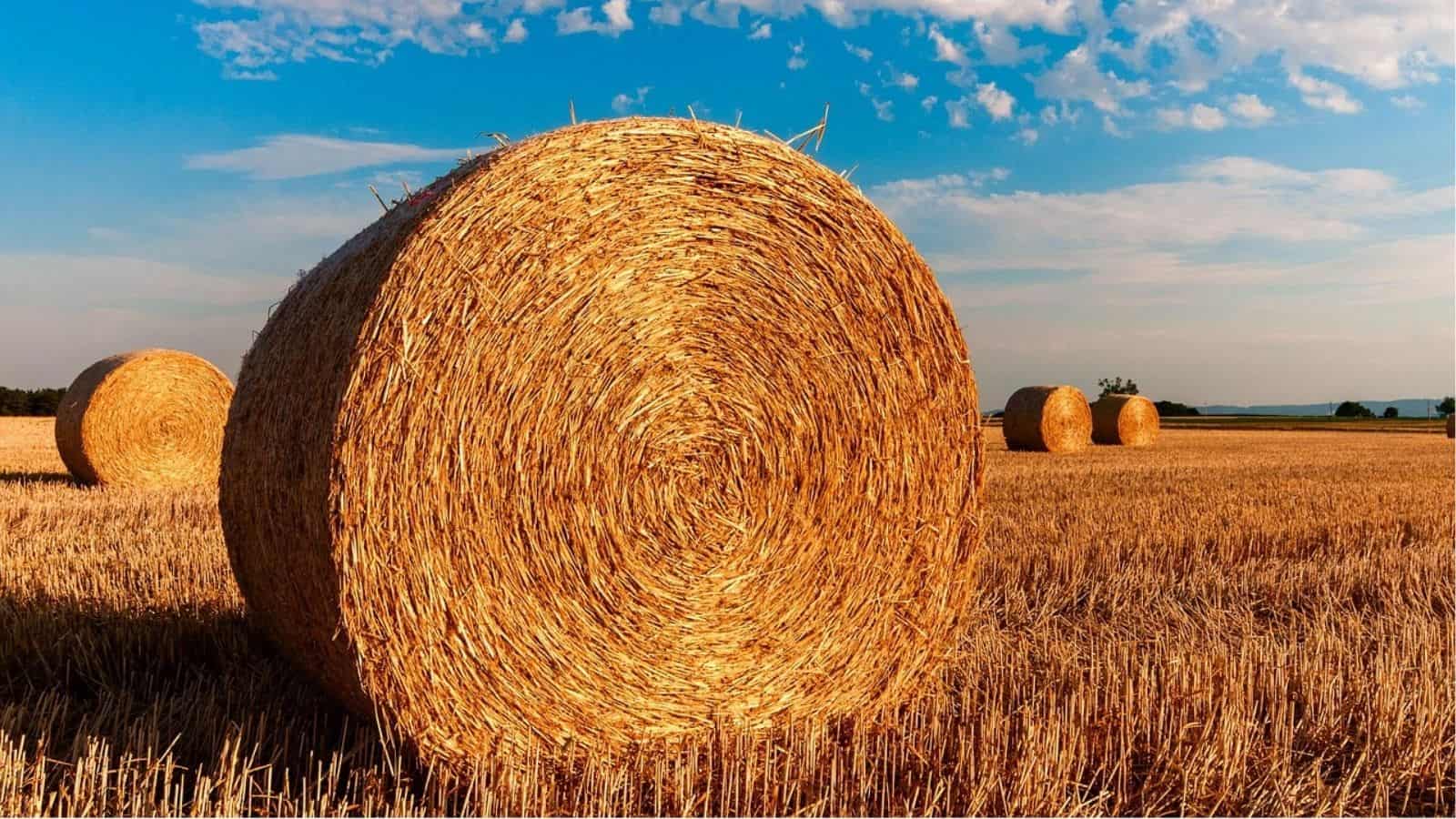
    Large round hay bales sit in a harvested field under a blue sky with scattered clouds.
    Photo Credit: bogitw/Pixabay

    Straw provides excellent weed suppression and moisture retention. It’s especially useful in vegetable gardens, though you’ll want to avoid using hay, which can contain seeds.

    Cocoa Bean Hulls

    A dry cacao pod split open with cacao beans spilling out, surrounded by more cacao beans on a white background.
    Photo Credit: AndriiGorulko/Deposit Photos

    These lightweight shells add a rich, dark color and a sweet scent to garden beds. They decompose slowly, making them both decorative and functional. (Just note—they’re not safe for pets.)

    Stone or Gravel

    A variety of smooth, multicolored pebbles arranged closely together, forming a textured stone surface.
    Photo Credit: naskami/Deposit Photos

    For a low-maintenance option, decorative gravel or river rocks are a stylish choice. They prevent erosion, stay put in windy areas, and last for years without replacement.

    Cardboard or Newspaper

    A stack of folded newspapers with Japanese text lies on a light-colored wooden surface.
    Photo Credit: fas/Pixabay

    A layer of cardboard or several sheets of newspaper under other materials creates an excellent weed barrier. They’re biodegradable and help block sunlight from unwanted growth.

    Wood Shavings

    A pile of light-colored wood shavings and curls on a white background.
    Photo Credit: Nyvlt_art/Deposit Photos

    If you do woodworking or have access to sawdust, this can be a great mulch alternative. It looks neat and helps retain soil moisture, though it should be balanced with nitrogen-rich compost.

    Living Ground Covers

    Field of blooming purple thyme flowers with green foliage under sunlight.
    Photo Credit: bernswaelz/Pixabay

    Plants like creeping thyme, clover, or sedum act as “living mulch.” They protect the soil, crowd out weeds, and add year-round texture and color to your garden.

    You don’t need to rely on store-bought mulch to keep your garden looking beautiful and healthy. These natural alternatives are affordable, sustainable, and easy to source right from your yard or compost bin. With a little creativity, you can protect your plants and nourish your soil the natural way.

    More Trending

    • A wooden bowl filled with brown sugar, perfect for a DIY body polish recipe, sits on a wooden surface with a wooden scoop inside. Nearby, oat flakes are scattered artfully.
      15 autumn-inspired scrubs and exfoliants made at home
    • A woman in a blue coat sits on a metal fence holding autumn leaves, with yellow-leaved trees and a street in the background.
      15 autumn garden rituals that feel grounding
    • Person sorting items for a swap event at home, with a sign reading "SWAP not SHOP" and various household items and clothes on tables.
      15 gentle, low-waste swaps for a more mindful home
    • A ceramic bowl filled with a mixture of coarse salt, dried rosebuds, and berries, with a wooden scoop resting on the edge.
      15 homemade skincare ideas that feel gentle and nourishing

    About Kristen Wood

    Kristen is a plant lover, gardener, certified functional nutritional expert, cookbook author, writer, and photographer. Her work has been featured in many online and print publications including Willow & Sage Magazine, Forbes, NBC, New York Daily News, Healthline, MSN, Elle, Yoga Journal, and many more. She is also a syndicated writer for The Associated Press.

    Reader Interactions

    Comments

    No Comments

    Leave a Reply Cancel reply

    Your email address will not be published. Required fields are marked *

    Recipe Rating


    Primary Sidebar

    A close up of a woman's face in the sun, radiating with the gentle glow of schisandra and bergamot home.

    About Kristen Wood

    Kristen is a plant lover, gardener, certified functional nutritional expert, cookbook author, writer, and photographer. Her work has been featured in many online and print publications including Willow & Sage Magazine, Forbes, NBC, New York Daily News, Healthline, MSN, Elle, Yoga Journal, and many more. She is also a syndicated writer for The Associated Press.

    Learn more about me →

    Follow us!

    Footer

    ↑ back to top

    About

    • Privacy Policy
    • Google Web Stories
    • Accessibility Statement
    • Disclaimer

    Newsletter

    • Sign up for our newsletter to receive our latest posts!

    Contact

    • Contact

    Copyright © 2025 Schisandra & Bergamot
    Disclaimer: As An Amazon Associate I Earn From Qualifying Purchases.

    2 shares