

Making small changes in your daily routine can have a big impact—both for your wallet and the environment. By choosing natural, reusable, and low-waste alternatives, you can cut down on expenses while living a greener, more mindful lifestyle. These eco-friendly swaps are simple, practical, and easy to fit into your everyday habits.
From cleaning products to personal care and kitchen essentials, these natural swaps prove that sustainability doesn’t have to be expensive or complicated. Each choice helps reduce waste, promote healthier living, and make your home a little more planet-friendly.
Reusable Beeswax Wraps Instead of Plastic Wrap

Jump to a Section
Beeswax wraps are a sustainable and long-lasting alternative to single-use plastic wrap. They keep food fresh and can be washed and reused for months, saving you money in the long run.
Wool Dryer Balls Instead of Dryer Sheets

Wool dryer balls reduce static and drying time without the chemicals found in conventional dryer sheets. They’re reusable for hundreds of loads and help you save on electricity costs.
DIY All-Purpose Cleaner Instead of Store-Bought Bottles

Mix vinegar, water, and a few drops of essential oil for a natural cleaner that costs pennies to make. It’s just as effective as commercial products and much gentler on your skin and the planet.
Cloth Napkins Instead of Paper Ones

Switching to cloth napkins cuts down on waste and adds a touch of charm to your meals. You can wash and reuse them countless times, saving money over constantly buying paper napkins.
Refillable Water Bottle Instead of Disposable Plastic Bottles

A stainless steel or glass bottle keeps your drinks cold or hot and eliminates the need for single-use plastics. It’s one of the easiest and most impactful swaps you can make.
Bar Soap Instead of Liquid Soap in Plastic Bottles

Bar soaps last longer and come with minimal or zero packaging. They’re often made with fewer ingredients and reduce plastic waste from liquid soap containers.
Bamboo Toothbrush Instead of Plastic Toothbrushes
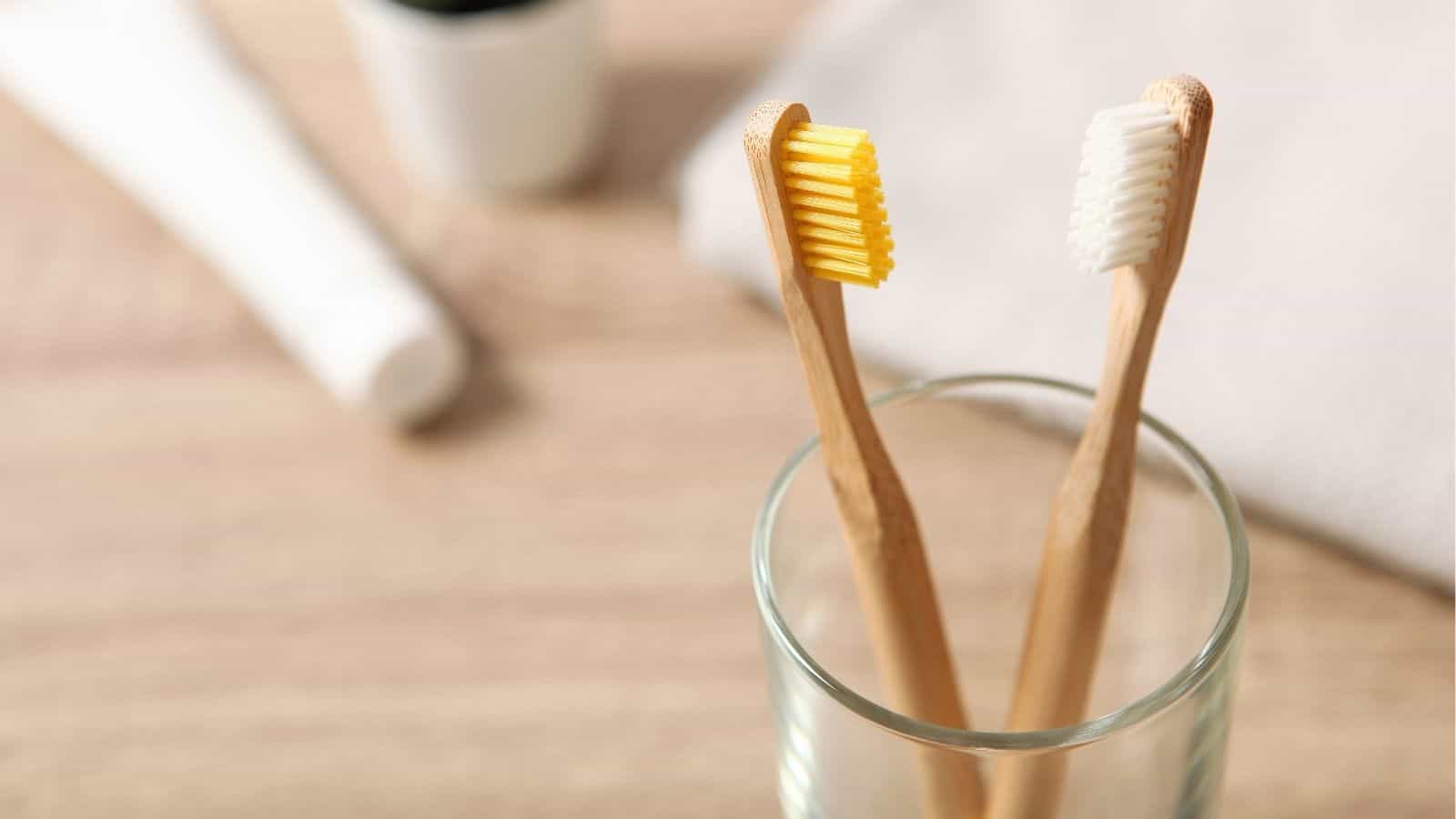
Bamboo toothbrushes are biodegradable and made from renewable resources. They perform just as well as plastic versions while being kinder to the earth.
Reusable Grocery Bags Instead of Plastic Bags

Keep a few reusable bags in your car or purse to avoid plastic bags altogether. Many stores even offer discounts for bringing your own, helping you save each trip.
Glass Storage Jars Instead of Plastic Containers

Glass jars are versatile, durable, and perfect for storing dry goods or leftovers. They don’t leach chemicals, and they last for years with proper care.
Cloth Produce Bags Instead of Plastic Produce Bags

Lightweight cotton or mesh produce bags help reduce plastic waste while keeping your fruits and veggies fresh. They’re washable and perfect for market days.
Reusable Cotton Pads Instead of Disposable Wipes
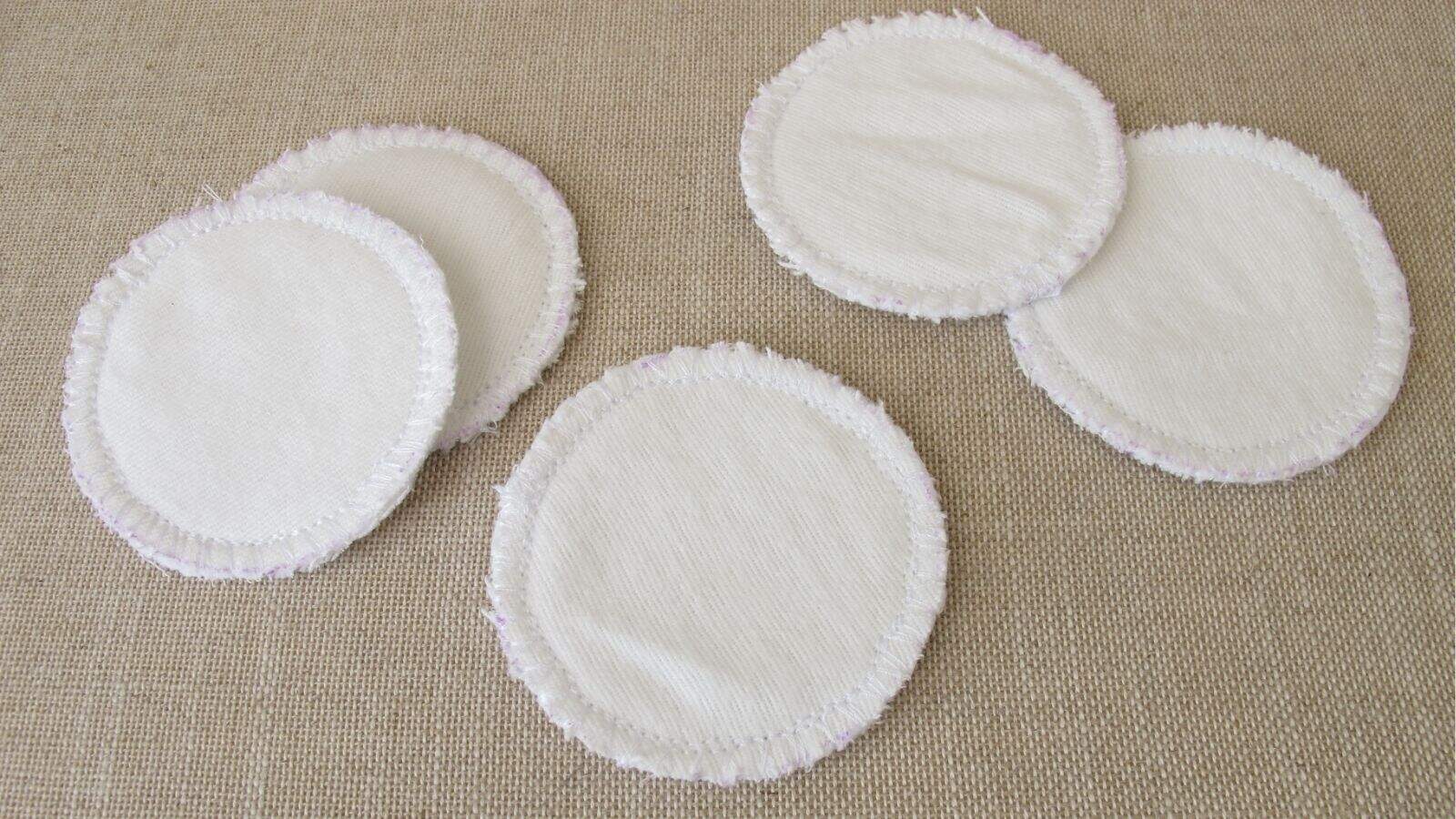
Reusable cotton rounds are gentle on your skin and can be tossed in the wash after use. Over time, they save you money and eliminate unnecessary packaging waste.
Compost Bin Instead of Trash for Food Scraps

Composting turns kitchen scraps into nutrient-rich soil for your garden. It reduces landfill waste and helps you create something valuable from what would otherwise be thrown away.
Rechargeable Batteries Instead of Disposable Ones

Rechargeable batteries last for hundreds of cycles, saving money and keeping toxic materials out of landfills. They’re a smart, eco-conscious choice for all your gadgets.
Reusable Menstrual Products Instead of Disposables

Switching to menstrual cups or washable pads is both cost-effective and sustainable. These products last for years, reducing waste and long-term spending.
Natural Fiber Sponges Instead of Synthetic Ones

Sponges made from loofah or cellulose are biodegradable and chemical-free. They clean just as well as synthetic versions and can be composted when worn out.
Small swaps add up to a big difference—especially when they help your home, your budget, and the planet. Start with just one or two changes, and you’ll soon find that sustainable living feels natural and rewarding. Every mindful choice brings us one step closer to a cleaner, greener world.




Comments
No Comments