

• Skip to main content
  • Skip to primary sidebar

Schisandra & Bergamot logo

menu icon
go to homepage
  • Index
  • Subscribe
  • About
  • Contact
  • Videos
    • Facebook
    • Instagram
    • Pinterest
  • subscribe
    search icon
    Homepage link
    • Index
    • Subscribe
    • About
    • Contact
    • Videos
    • Facebook
    • Instagram
    • Pinterest
  • ×
    Home » Trending

    Published: Oct 24, 2025 by Kristen Wood · This post may contain affiliate links. If you make a purchase through links on our site, we may earn a commission. ·

    15 Natural Ways to Keep Leaves From Suffocating Your Lawn

    15 shares
    • Facebook
    • Reddit

    When fall leaves start to pile up, they can smother your grass and block sunlight, but there’s no need to bag them all up. Nature already provides plenty of smart, simple ways to manage those layers of gold.

    With the right approach, you can protect your lawn and turn those fallen leaves into valuable garden material. Here are 15 natural ways I use to keep leaves from suffocating my lawn while giving back to the earth.

    Mulch Leaves With a Mower

    A person is pushing a red lawn mower over fallen leaves on a grassy yard near a wooden fence and a tree.
    Photo Credit: trongnguyen/Deposit Photos

    Instead of raking, I use my lawn mower to shred leaves into tiny pieces. The small bits break down quickly, feeding the soil and improving its texture. It’s fast, natural, and lawn-friendly.

    Rake Lightly and Evenly

    Photo Credit: maxbelchenko/Envato

    A gentle raking keeps leaves from clumping and cutting off air to the grass. I spread them evenly across the yard to allow sunlight and moisture to reach the soil. It’s a simple fix that saves my lawn every year.

    Use a Leaf Blower on Low

    A person in jeans and a jacket uses a leaf blower to gather fallen leaves into a pile on a grassy lawn.
    Photo Credit: inyrdreams/Deposit Photos

    If leaves are thick, I blow them into garden beds or around trees as natural mulch. This keeps the lawn clear while still making use of the leaves. I always choose the lowest power setting to avoid tearing up grass.

    Create Leaf Mulch for Garden Beds
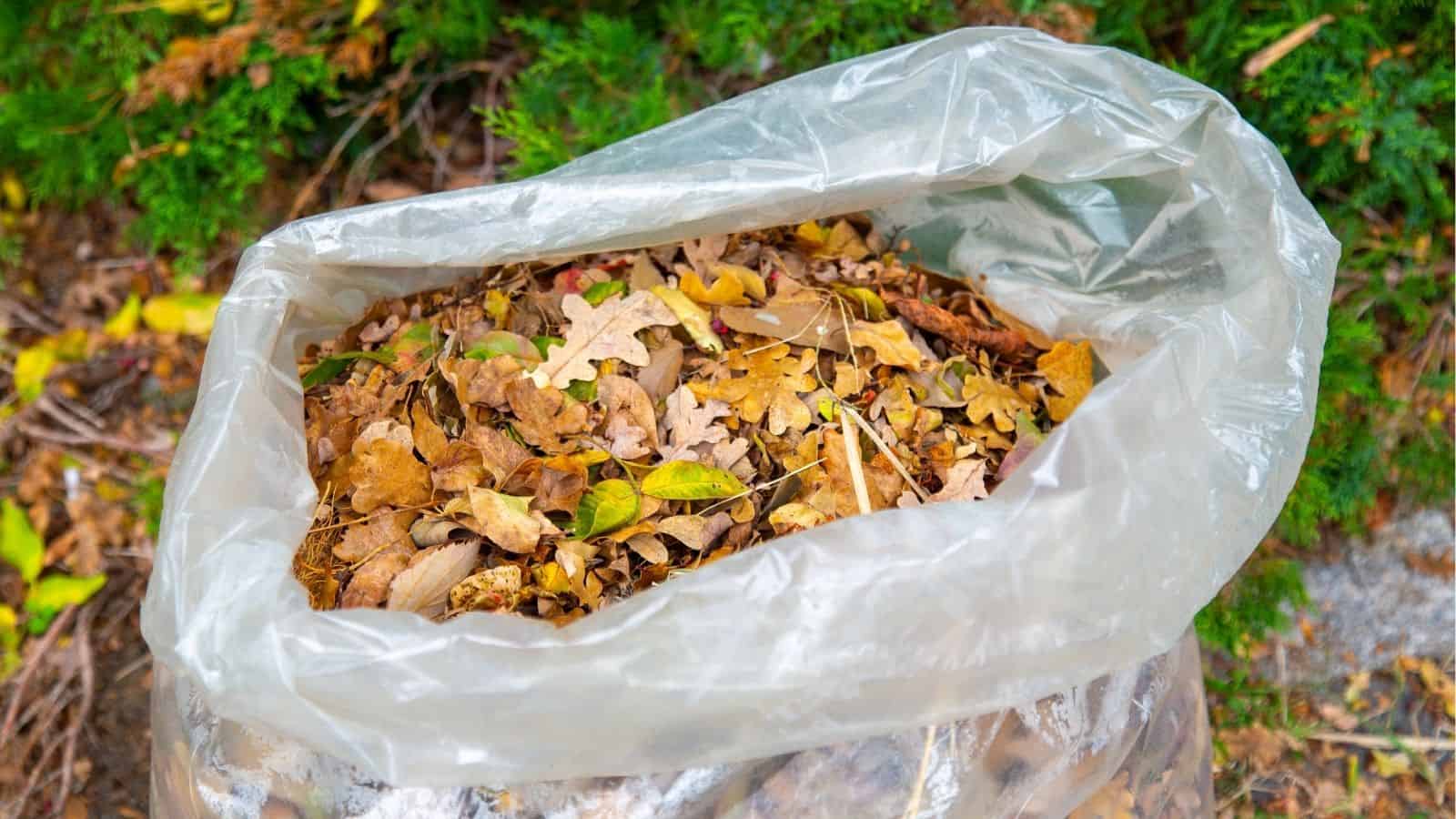
    A clear plastic bag filled with dry fallen leaves, placed outdoors with green foliage in the background.
    Photo Credit: Akpinaart/Deposit Photos

    I pile up leaves, run the mower over them, and store them in a bin. Over time, they turn into soft, nutrient-rich mulch perfect for flower beds. It’s a great way to recycle what nature gives you.

    Compost the Excess

    Person adding food scraps to a wooden compost bin filled with fruit and vegetable waste.
    Photo Credit: Aaaarianne/Envato

    When there’s too much leaf litter, I mix it with kitchen scraps and grass clippings in the compost bin. The mix of carbon and nitrogen helps everything decompose beautifully. By spring, I have rich compost for the garden.

    Layer Leaves Around Trees

    Two people walk through a park filled with yellow autumn leaves, surrounded by trees with yellow foliage.
    Photo Credit: OksanaSemak/Deposit Photos

    A few inches of leaf mulch around the base of trees keeps roots insulated through winter. I make sure to leave space around the trunk to prevent rot. This method protects both the tree and the lawn underneath.

    Shred Leaves With a String Trimmer

    A person trims grass in a garden using a string trimmer, standing near green bushes and trees.
    Photo Credit: mrsiraphol/Deposit Photos

    If I don’t have a mower handy, a string trimmer in a large bin works well to chop leaves down. Smaller pieces break down faster and are easier to spread across the yard.

    Spread Leaves in Thin Layers

    A dense layer of fallen autumn leaves in shades of orange, yellow, and brown covers the ground.
    Photo Credit: puliohervas/Deposit Photos

    I never let leaves pile too thick. Spreading them out in thin layers allows air and water to reach the soil. It also helps prevent mold and suffocation.

    Mix Leaves Into Garden Soil

    A layer of autumn leaves on the ground covered in a light frost, showing a mix of brown, orange, and purple hues.
    Photo Credit: astrid208/Deposit Photos

    Turning leaves directly into soil adds organic matter and improves drainage. I till them lightly into vegetable or flower beds before winter. It’s a natural soil conditioner.

    Use a Lawn Sweeper

    A red tractor with a large attachment collects fallen autumn leaves in a park with trees displaying yellow and orange foliage.
    Photo Credit: aigarsr/Deposit Photos

    A manual or push lawn sweeper collects leaves efficiently without hurting the grass. I can then redistribute them as mulch or compost. It’s low effort and completely eco-friendly.

    Leave Some Piles for Wildlife
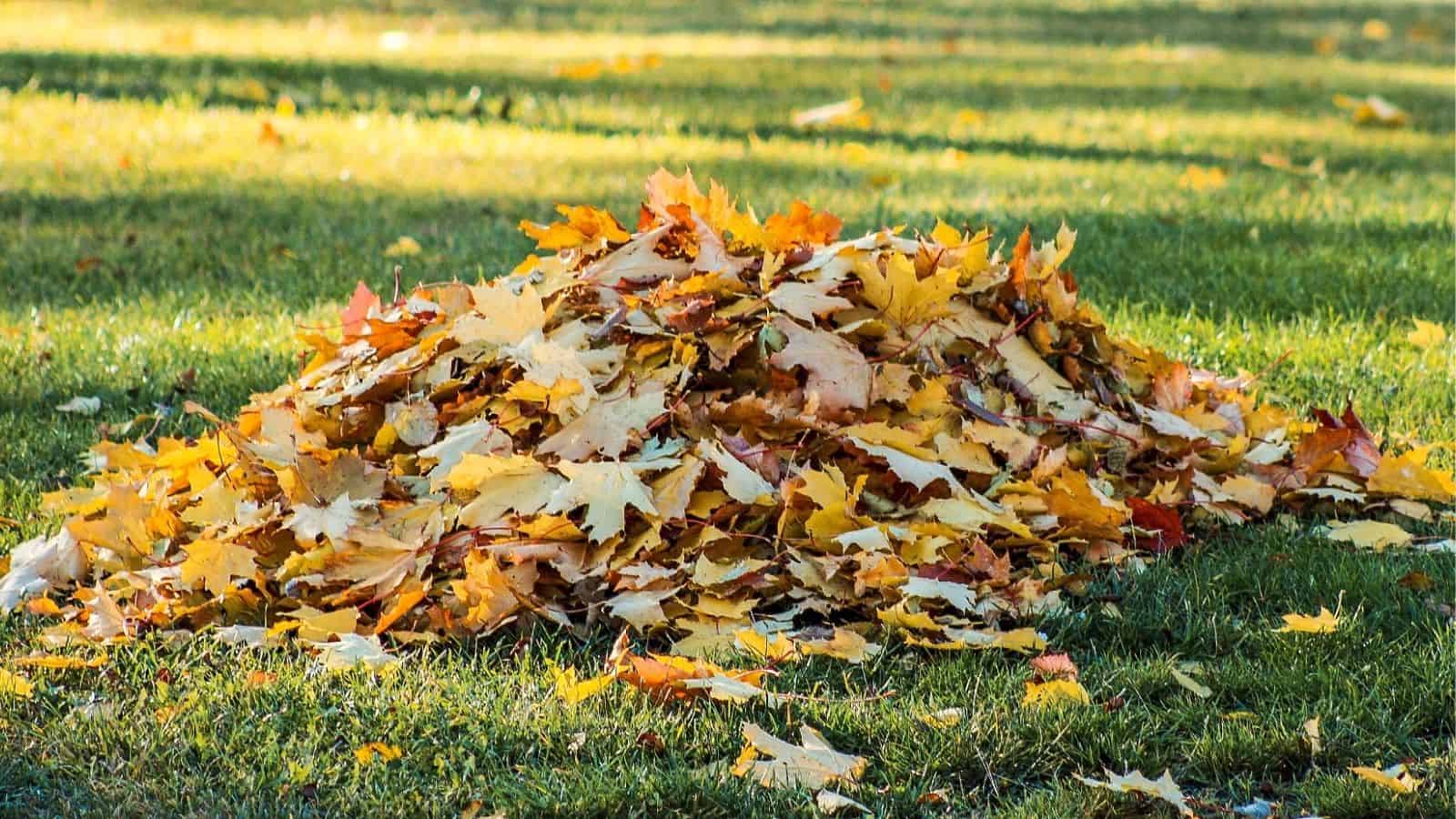
    A pile of yellow and brown autumn leaves sits on green grass in a sunlit outdoor area.
    Photo Credit: lena_tol/Envato

    Not every leaf needs to go. I leave a few small piles at the edges of my yard for insects and pollinators to overwinter in. It helps the ecosystem while keeping the main lawn clear.

    Turn Leaves Into Pathway Padding

    A dirt path through a forest splits into two separate trails, surrounded by green moss and trees.
    Photo Credit: bastan/Deposit Photos

    I use dry, crushed leaves to line garden paths and walkways. They suppress weeds and decompose slowly, enriching nearby soil. Plus, they give a rustic, natural look.

    Add to Raised Beds for Winter Protection

    A person spreads dried leaves or mulch into a raised garden bed on a red dirt surface, with other empty beds and plastic bins nearby.
    Photo Credit: tastyfood/Deposit Photos

    I layer leaves on top of raised garden beds to insulate soil during the cold months. This keeps beneficial microbes active longer and prepares the bed for spring planting.

    Collect and Store for Future Mulch
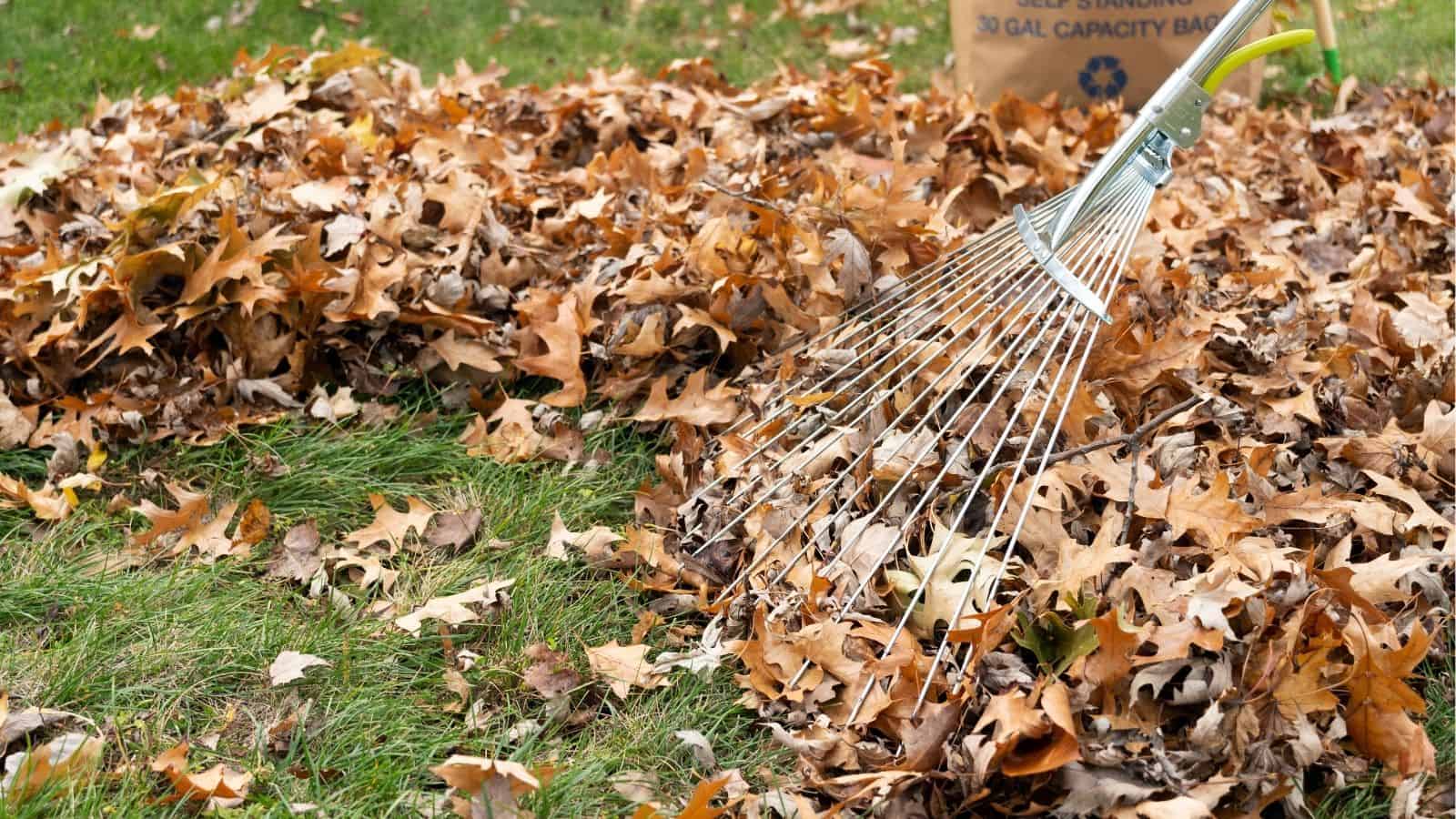
    A metal rake gathers a pile of fallen autumn leaves on grass, with a brown yard waste bag in the background.
    Photo Credit: kenishirotie/Envato

    If I have too many leaves in the fall, I bag them loosely and store them dry. They’re perfect to use as mulch or compost ingredients later in the year.

    Water Lightly After Mulching

    A person watering soil beds with a hose inside a greenhouse, surrounded by various growing plants and vegetables.
    Photo Credit: Zoe Richardson/Unsplash

    After spreading mulched leaves, I give the lawn a light watering. It helps settle the leaves and kickstarts decomposition. The result is a greener, healthier lawn come spring.

    Managing fall leaves naturally doesn’t have to be a chore. With these simple methods, you can keep your lawn healthy, feed your soil, and even support local wildlife—all without a single plastic bag in sight.


    More Trending

    • A wooden bowl filled with brown sugar, perfect for a DIY body polish recipe, sits on a wooden surface with a wooden scoop inside. Nearby, oat flakes are scattered artfully.
      15 autumn-inspired scrubs and exfoliants made at home
    • A woman in a blue coat sits on a metal fence holding autumn leaves, with yellow-leaved trees and a street in the background.
      15 autumn garden rituals that feel grounding
    • Person sorting items for a swap event at home, with a sign reading "SWAP not SHOP" and various household items and clothes on tables.
      15 gentle, low-waste swaps for a more mindful home
    • A ceramic bowl filled with a mixture of coarse salt, dried rosebuds, and berries, with a wooden scoop resting on the edge.
      15 homemade skincare ideas that feel gentle and nourishing

    About Kristen Wood

    Kristen is a plant lover, gardener, certified functional nutritional expert, cookbook author, writer, and photographer. Her work has been featured in many online and print publications including Willow & Sage Magazine, Forbes, NBC, New York Daily News, Healthline, MSN, Elle, Yoga Journal, and many more. She is also a syndicated writer for The Associated Press.

    Reader Interactions

    Comments

    No Comments

    Leave a Reply Cancel reply

    Your email address will not be published. Required fields are marked *

    Recipe Rating


    Primary Sidebar

    A close up of a woman's face in the sun, radiating with the gentle glow of schisandra and bergamot home.

    About Kristen Wood

    Kristen is a plant lover, gardener, certified functional nutritional expert, cookbook author, writer, and photographer. Her work has been featured in many online and print publications including Willow & Sage Magazine, Forbes, NBC, New York Daily News, Healthline, MSN, Elle, Yoga Journal, and many more. She is also a syndicated writer for The Associated Press.

    Learn more about me →

    Follow us!

    Footer

    ↑ back to top

    About

    • Privacy Policy
    • Google Web Stories
    • Accessibility Statement
    • Disclaimer

    Newsletter

    • Sign up for our newsletter to receive our latest posts!

    Contact

    • Contact

    Copyright © 2025 Schisandra & Bergamot
    Disclaimer: As An Amazon Associate I Earn From Qualifying Purchases.

    15 shares