
• Skip to main content
  • Skip to primary sidebar

Schisandra & Bergamot logo

menu icon
go to homepage
  • Index
  • Subscribe
  • About
  • Contact
  • Daily Herb
    • Facebook
    • Instagram
    • Pinterest
  • subscribe
    search icon
    Homepage link
    • Index
    • Subscribe
    • About
    • Contact
    • Daily Herb
    • Facebook
    • Instagram
    • Pinterest
  • ร—
    Home ยป Trending

    Published: Sep 1, 2025 by Kristen Wood ยท This post may contain affiliate links. If you make a purchase through links on our site, we may earn a commission. ยท

    11 Old-Fashioned Food Storage Tricks That Still Work

    11 shares
    • Facebook
    • Reddit

    Long before refrigerators and freezers, people relied on clever methods to keep their food fresh. These traditional food storage tricks used natural materials, cool spaces, and careful preparation. Many of these techniques still work today and can help reduce waste.

    Bringing these skills back is not only practical but also cost-effective. Here are some old-fashioned ways to store food that continue to stand the test of time.

    Root Cellaring

    A stone cellar filled with shelves holding numerous jars of preserved fruits and vegetables in glass containers.
    Photo Credit: dumitru B/Pexels

    Root cellars provided a cool, dark, and humid space to keep produce like potatoes, carrots, and apples fresh for months. The consistent temperature slowed spoilage naturally. Even a modern basement or insulated bin can serve the same purpose today.

    Drying Fruits and Vegetables
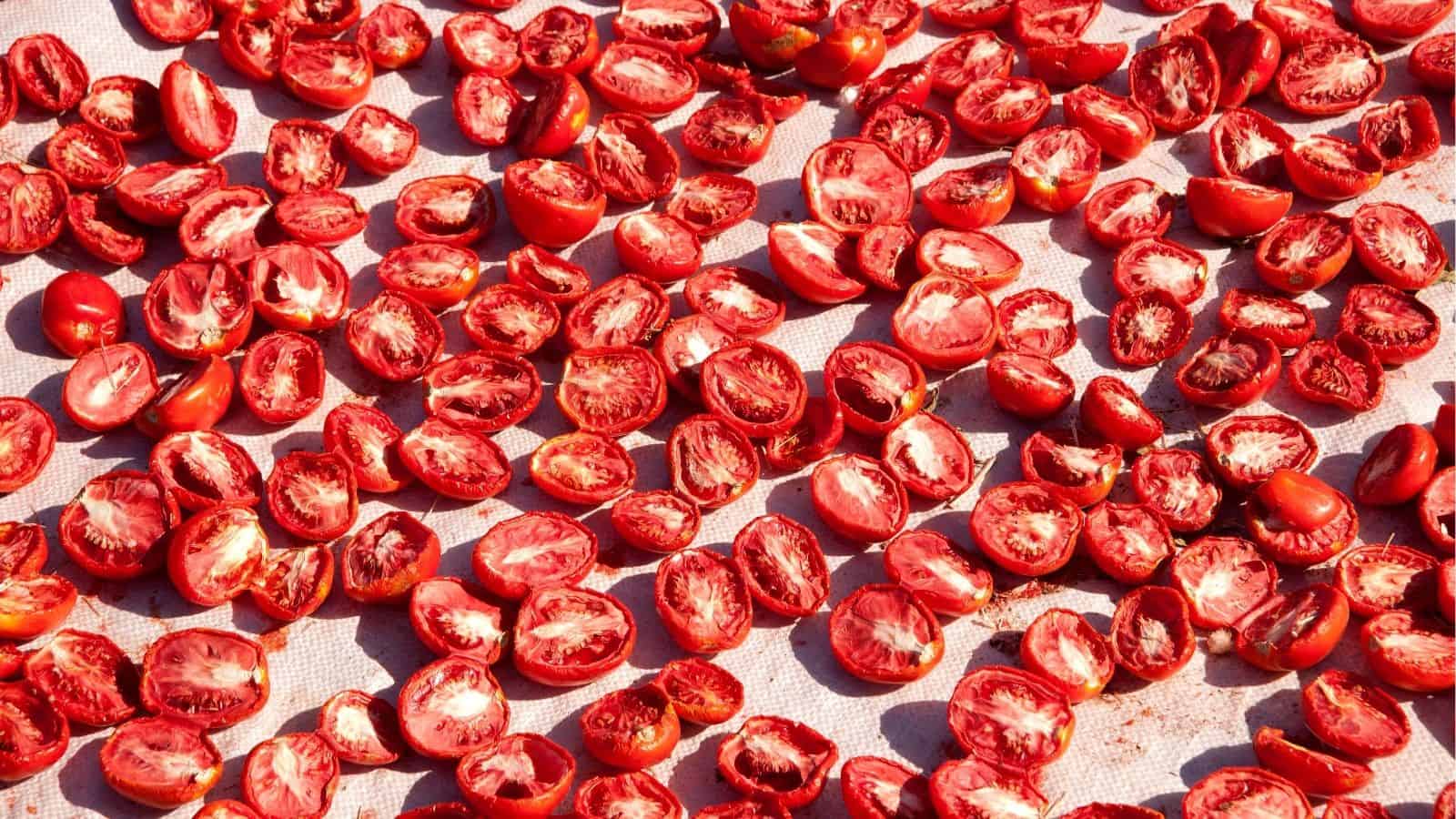
    Many small red tomatoes cut in halves and laid out to dry in the sun on a light-colored surface.
    Photo Credit: emirkoo/Envato

    People once dried apples, herbs, and beans in the sun or over low fires to make them last. Removing moisture prevents bacteria and mold from forming. Today, you can use a dehydrator, oven, or even return to traditional air-drying.

    HERB OF THE DAY ยท Explore todayโ€™s herb โ†’

    Fermentation

    Assorted jars of pickled vegetables, including cucumbers, cabbage, and beets, displayed on a gray surface with fresh ginger, dill, a chili pepper, garlic, and spices nearby.
    Photo Credit: alexandraanschiz/Envato

    Fermenting foods like sauerkraut, kimchi, and pickles was a common way to preserve harvests. The natural bacteria not only keep food safe but also add probiotics for gut health. This method requires only salt, vegetables, and patience.

    Wax Sealing Jars

    Photo Credit: DragonImages/Envato

    Before modern canning, people sealed jars of jams and jellies with a layer of wax. The wax created an airtight barrier that kept out mold and bacteria. While not as common today, itโ€™s still a reliable preservation trick for certain foods.

    Salt Preservation

    Photo Credit: wirestock/Envato

    Meat and fish were once packed in salt to draw out moisture and prevent spoilage. The salt acted as a natural preservative that kept proteins safe to eat for long periods. This method is still used in foods like salted cod and country ham.

    Storing in Sand or Sawdust

    Photo Credit: stoonn/Envato

    Carrots, beets, and turnips stayed fresh when packed in layers of sand or sawdust. This method prevented them from shriveling and kept them from sprouting too soon. Itโ€™s an easy, natural way to extend the life of root vegetables.

    Smoking Meat and Fish

    Photo Credit: Helinton/Envato

    Smoking added flavor while also preserving meat and fish. The process dried the food while infusing it with antimicrobial compounds from the smoke. This old technique is still popular for both preservation and taste.

    Using Cool Springs or Wells

    Photo Credit: Sonyachny/Envato

    Before refrigeration, people often stored milk, butter, and jars of food in cool springs or wells. The naturally cold water acted like an outdoor refrigerator. This simple trick worked especially well in rural areas without ice.

    Vinegar Pickling

    A person placing a jar of pickled cucumbers on a table alongside jars of preserved tomatoes and vegetables, with a dish towel and fresh cucumber nearby.
    Photo Credit: MikeShots/Envato

    Pickling in vinegar gave vegetables like cucumbers, onions, and peppers a much longer shelf life. The acidity prevented harmful bacteria from growing. Pickled foods were a staple in many households during the off-season.

    Storing in Crocks

    Photo Credit: Wavebreakmedia/Envato

    Large ceramic crocks were once used to hold foods like pickles, sauerkraut, and cured meats. Their thick walls helped maintain a steady, cool temperature. Many people still use crocks for traditional fermentation today.

    Rendering and Storing in Fat

    Two pieces of meat are being fried in hot oil in a black skillet on a gas stove, with bubbles forming around the meat.
    Photo Credit: grafvision/Envato

    Meats were sometimes cooked and stored in their own fat, a method known as confit. The fat created an airtight seal that kept the food fresh for weeks or months. This technique is still used in traditional French cooking.

    These old-fashioned storage methods may be simple, but theyโ€™ve proven effective for generations. Bringing them back can help you waste less, save money, and keep food fresh the natural way.

    More Trending

    • A woman talking on a cell phone.
      15 overlooked spots in your home that need winter attention
    • Person holding a potted plant and a spray bottle stands in a kitchen with green cabinetry and wooden shelves in the background.
      15 indoor gardening habits that pay off year-round
    • An older woman and a young girl sit on a couch smiling at each other while looking at an open book in the girl's lap.
      15 practical skills grandparents learned early that still matter
    • A woman in an apron holds a potted plant in one hand and makes a peace sign with the other, standing against a pink background.
      15 plants that symbolize renewal, rest, and winter wisdom

    About Kristen Wood

    Kristen is a plant lover, gardener, certified functional nutritional expert, cookbook author, writer, and photographer. Her work has been featured in many online and print publications including Willow & Sage Magazine, Forbes, NBC, New York Daily News, Healthline, MSN, Elle, Yoga Journal, and many more. She is also a syndicated writer for The Associated Press.

    Reader Interactions

    Comments

    No Comments

    Leave a Reply Cancel reply

    Your email address will not be published. Required fields are marked *

    Recipe Rating


    Primary Sidebar

    A close up of a woman's face in the sun, radiating with the gentle glow of schisandra and bergamot home.

    About Kristen Wood

    Kristen is a plant lover, gardener, certified functional nutritional expert, cookbook author, writer, and photographer. Her work has been featured in many online and print publications including Willow & Sage Magazine, Forbes, NBC, New York Daily News, Healthline, MSN, Elle, Yoga Journal, and many more. She is also a syndicated writer for The Associated Press.

    Learn more about me โ†’

    Herb of the Day

    Meet todayโ€™s featured herb with gentle kitchen ideas, botanical notes, folklore, and a quiet reflection to take with you.

    Explore Todayโ€™s Herb

    Follow us!

    Footer

    โ†‘ back to top

    About

    • Privacy Policy
    • Google Web Stories
    • Accessibility Statement
    • Disclaimer

    Newsletter

    • Sign up for our newsletter to receive our latest posts!

    Contact

    • Contact

    Copyright ยฉ 2026 Schisandra & Bergamot
    Disclaimer: As An Amazon Associate I Earn From Qualifying Purchases.

    Herb of the Day

    Discover todayโ€™s featured herb with simple kitchen ideas, botanical notes, folklore, and a reflective message.

    Explore
    11 shares