

Many old-fashioned kitchen habits were born from necessity, but they still make sense today—especially if you’re looking to stretch your budget without sacrificing comfort or quality. These simple, time-tested practices help reduce waste, make ingredients last longer, and make the most of what you already have on hand.
They’re the kind of habits that feel grounding while quietly saving you money week after week. Here are 15 traditional kitchen habits worth bringing back.
Saving Vegetable Scraps for Broth

Jump to a Section
Instead of tossing onion skins, carrot ends, and celery leaves, older generations simmered them into flavorful broth. It’s completely free, reduces waste, and makes soups taste richer.
Cooking Big Batches and Reusing Leftovers

Batch cooking wasn’t a trend—it was simply practical. Meals were stretched, reinvented, and transformed to avoid throwing food away.
Keeping a Grease Jar

Rather than discarding bacon or cooking fats, they were saved and used to flavor vegetables, beans, or cornbread. A tiny spoonful adds rich flavor without buying extra oil.
Drying Herbs Instead of Buying New

When herbs grew abundant, they were hung to dry for use through winter. A small habit that saves a surprising amount compared to store-bought jars.
Baking From Scratch

Simple ingredients like flour, yeast, and sugar create breads, biscuits, and treats for a fraction of the cost of packaged versions. Plus, they’re fresher and more satisfying.
Using Every Part of the Chicken

Nothing went to waste—from roasting the bird to making bone broth and saving drippings. One chicken could create several meals.
Making Soup Frequently

Soup was a staple because it used inexpensive ingredients and stretched small portions of meat and vegetables. It remains one of the cheapest, coziest meals to make.
Storing Food Properly to Avoid Spoilage

Root cellars and cool cabinets helped keep produce fresher for longer. Today, thoughtful storage using glass jars, cloth bags, and the freezer does the same.
Keeping a Baking Day

Families often chose one day to bake bread, rolls, and desserts at once, saving both time and fuel. Modern ovens benefit from the same efficient batching.
Using Cloth Towels Instead of Paper
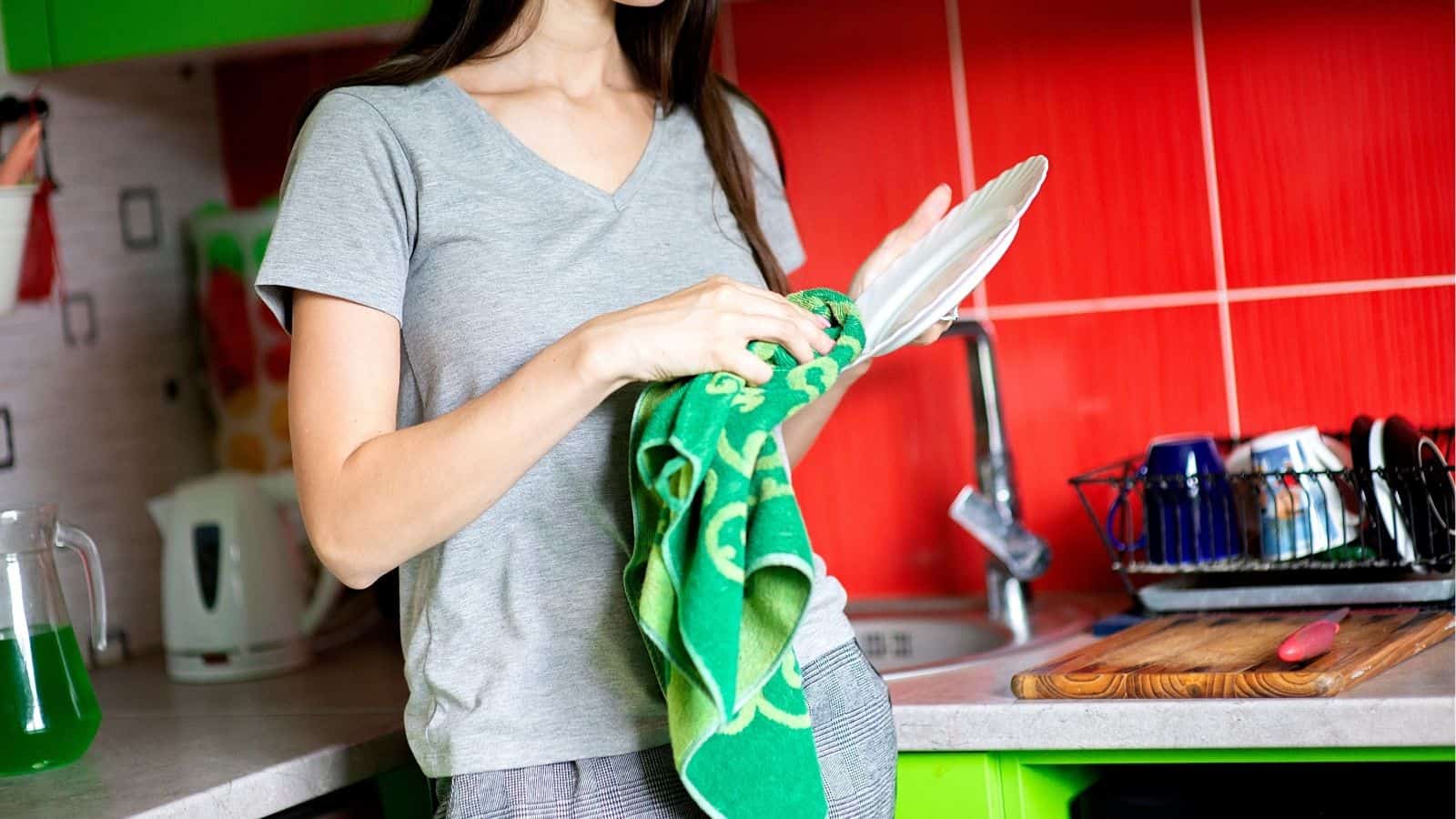
Reusable towels were the norm, and they’re still one of the simplest ways to reduce weekly spending. A single set lasts years.
Rehydrating Dried Beans

Grandparents rarely bought canned beans—they soaked and cooked dry ones for pennies. They’re cheap, filling, and easy to freeze in batches.
Making Simple Pantry Staples Yourself

Things like salad dressing, spice blends, and flavored salts were prepared at home using basic ingredients. They cost far less and taste far better.
Keeping a Garden (Even a Tiny One)

Whether it was a large plot or a few windowsill pots, growing herbs and vegetables cut grocery costs. Even small harvests make a difference.
Canning or Freezing Seasonal Abundance

Excess produce was preserved to make sure nothing spoiled. Today, a freezer or a few jars can help you save seasonal flavors—and money.
Using Leftover Bread Creatively

Stale bread was never thrown out. It became breadcrumbs, croutons, bread pudding, French toast, or stuffing—stretching every loaf to the very end.
These old-fashioned kitchen habits aren’t just nostalgic—they’re smart, simple ways to cut costs while cooking with more intention. By reintroducing even a few of them, you can save money, reduce waste, and create a kitchen that feels both practical and comforting.





Comments
No Comments