
As technology advances, many old-fashioned tools have quietly faded from daily life. Once essential for homemaking, farming, or craftsmanship, these items now sit forgotten in barns, attics, and antique shops. Their history reflects a time when skills were hands-on and self-sufficiency was the norm.
This list highlights classic tools that were once everyday necessities but are now unfamiliar to most people. Each one offers a glimpse into the resourcefulness and creativity of earlier generations.
Butter Churn

Jump to a Section
Before store-bought butter, families used hand-cranked or plunger-style churns to whip cream into butter. The process required patience, rhythm, and strong arms. Today, few people know how to turn cream into rich, homemade butter this way.
Washboard

Washing clothes by hand meant scrubbing garments against a ridged metal or wooden board. It was hard work but incredibly effective. With modern washing machines, this once-common skill has nearly disappeared.
Scythe

Used for cutting grass or grain, this curved blade required precise swinging motions. Operating it well depended on timing and body control. Most people today have never handled one outside of a Halloween costume.
Manual Drill (Brace and Bit)

Before electric drills, carpenters used a hand-powered brace to bore holes in wood. It required steady pressure and practice to drill evenly. Many DIYers don’t recognize this tool anymore.
Spinning Wheel

Turning fiber into yarn was a household craft that took knowledge, coordination, and feel. Operating a spinning wheel involved a smooth rhythm of hands and feet. Only fiber artists and hobbyists keep the skill alive today.
Apple Peeler-Corer

This hand-cranked tool peels, cores, and slices apples all at once. While clever and efficient, it requires setup and skill to operate smoothly. Modern kitchens rarely include one.
Oil Lamp

Before electricity, oil lamps were essential for lighting homes. Using them required knowing how to trim the wick, fill the reservoir, and adjust the flame. Most people today have never used one outside of emergencies.
Corn Sheller

Corn shellers removed kernels from the cob using a crank and metal teeth. Farmers and homesteaders relied on them daily. Today, few would know how to operate or maintain one.
Hand-Crank Meat Grinder

Grinding meat manually involved attaching the grinder to a counter, feeding in chunks, and turning the crank. It took both effort and technique. Most modern cooks use electric grinders or pre-ground meat instead.
Typewriter

Typing on a typewriter required force, precision, and regular maintenance like ribbon changes. Mistakes weren’t easily erased, making accuracy important. Many people today have never typed on one at all.
Treadle Sewing Machine
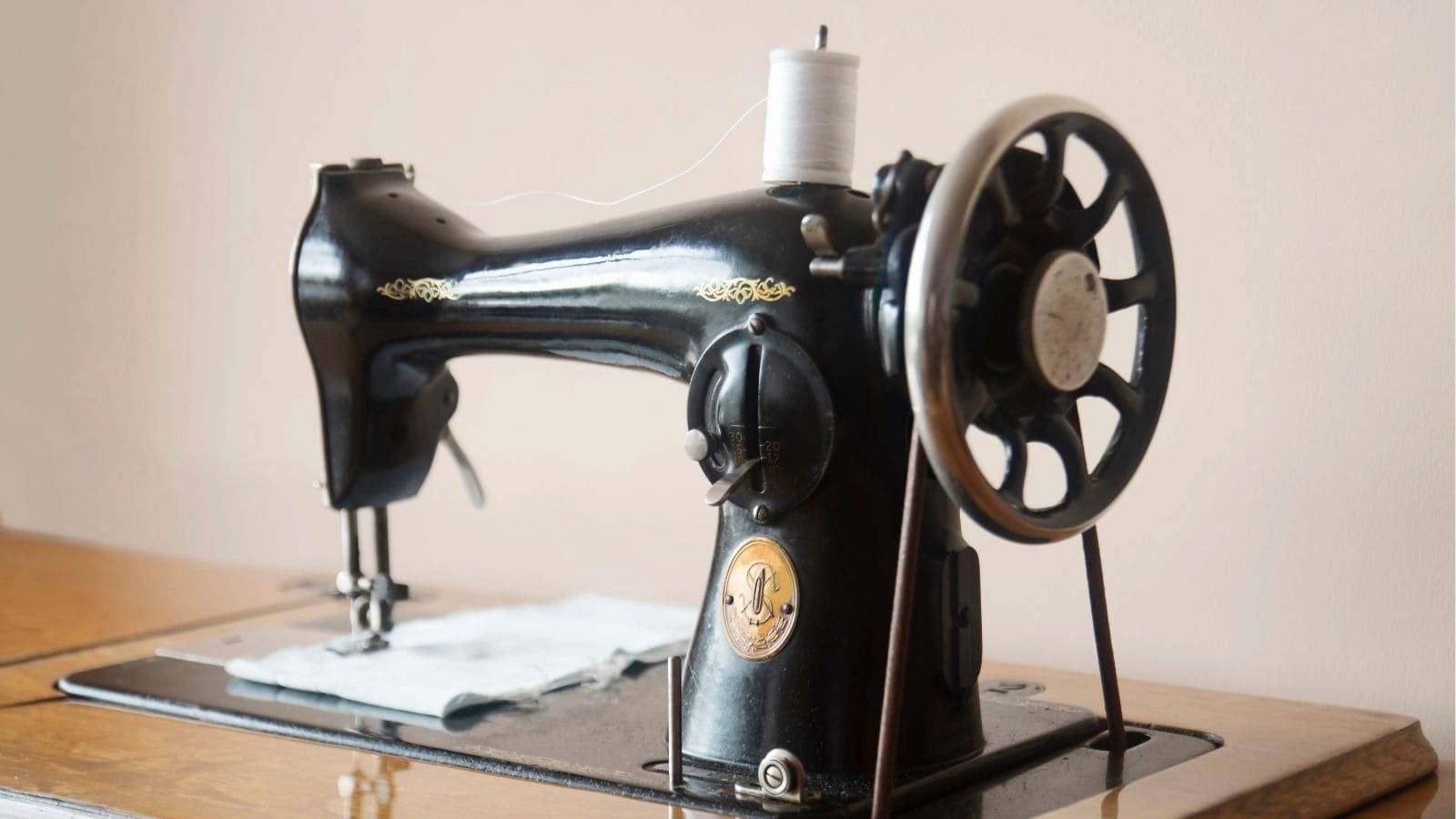
Powered by foot pedal rather than electricity, these machines required steady, controlled movement. Seamstresses mastered the rhythm to sew smoothly. The skill is rare today, even among sewing enthusiasts.
Hand Scythe (Sickle)

A smaller version of the scythe, this sharp tool was used for cutting herbs or clearing small patches. It required a careful wrist and practiced technique. Now, powered trimmers have fully replaced it.
Potato Ricer
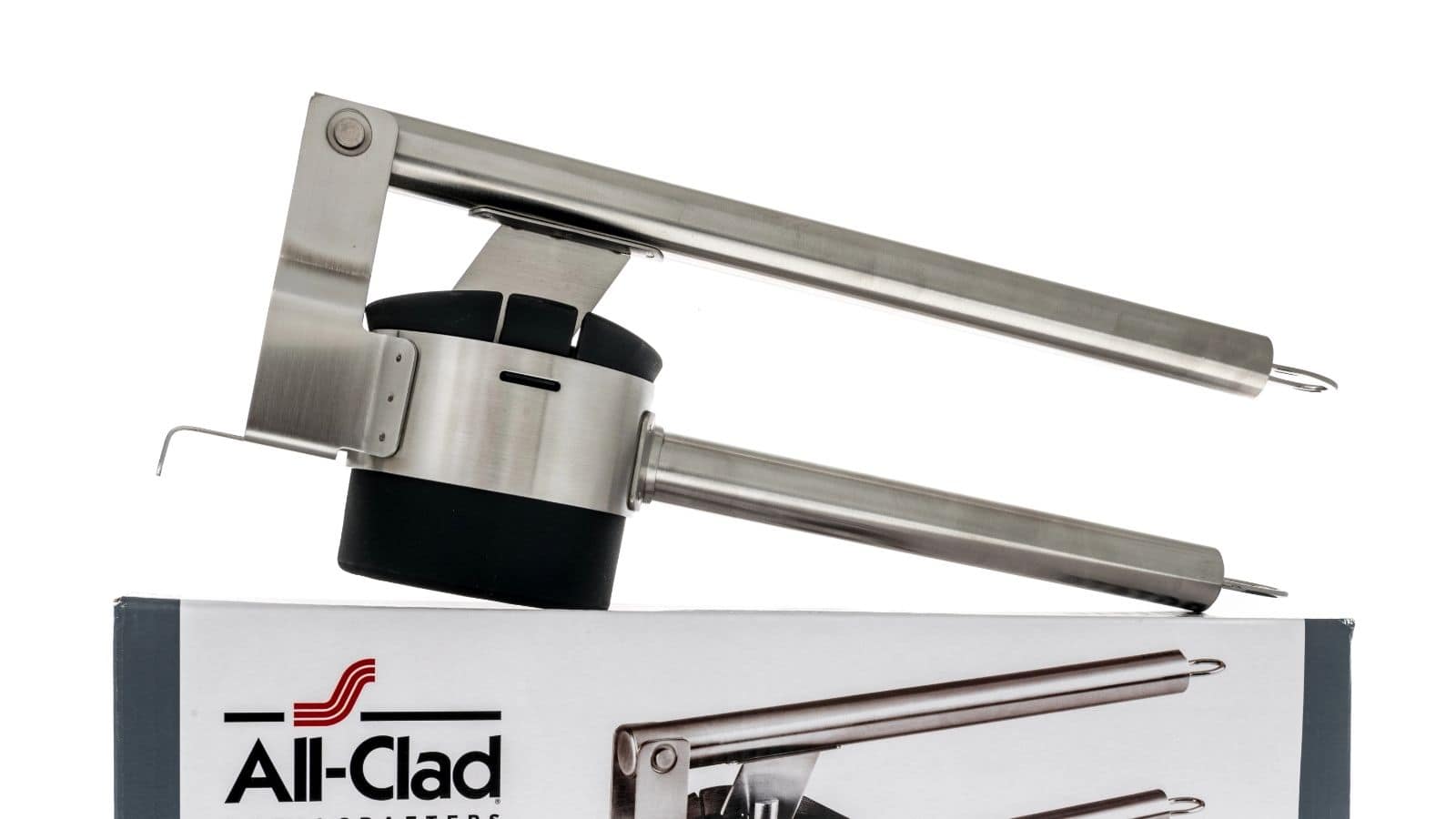
Once a kitchen staple for fluffy potatoes or baby food, a ricer requires grip strength and coordination. Many modern cooks prefer mixers or ready-made mashed potatoes. Its old-fashioned charm is often forgotten.
Balance Scale

Before digital scales, weighing items meant placing weights on one side and goods on the other. It took understanding and attention to get accurate results. Many people now find the concept unfamiliar.
Hand Plane

This woodworking tool smooths and shapes wood surfaces with a sharp blade. Using it well requires pressure control and steady motion. Power sanders and planers have largely replaced it for casual users.
Old-fashioned tools carry stories of craftsmanship, patience, and practical skill. While they may be unfamiliar today, they offer a fascinating look at how people once worked and lived. Rediscovering these tools can deepen your appreciation for the resourcefulness of earlier generations and the art behind everyday tasks.





Comments
No Comments