

Dividing perennials in the fall is one of the simplest ways to keep your garden healthy, vibrant, and full of blooms year after year. Overcrowded plants can become weak, produce fewer flowers, and even be more susceptible to disease. By splitting them now, you give roots space to grow and prepare your garden for a strong spring.
Fall is the perfect season for this task because the plants are entering dormancy, making them less stressed by the process. Here are 15 perennials you should divide this season to keep your garden flourishing.
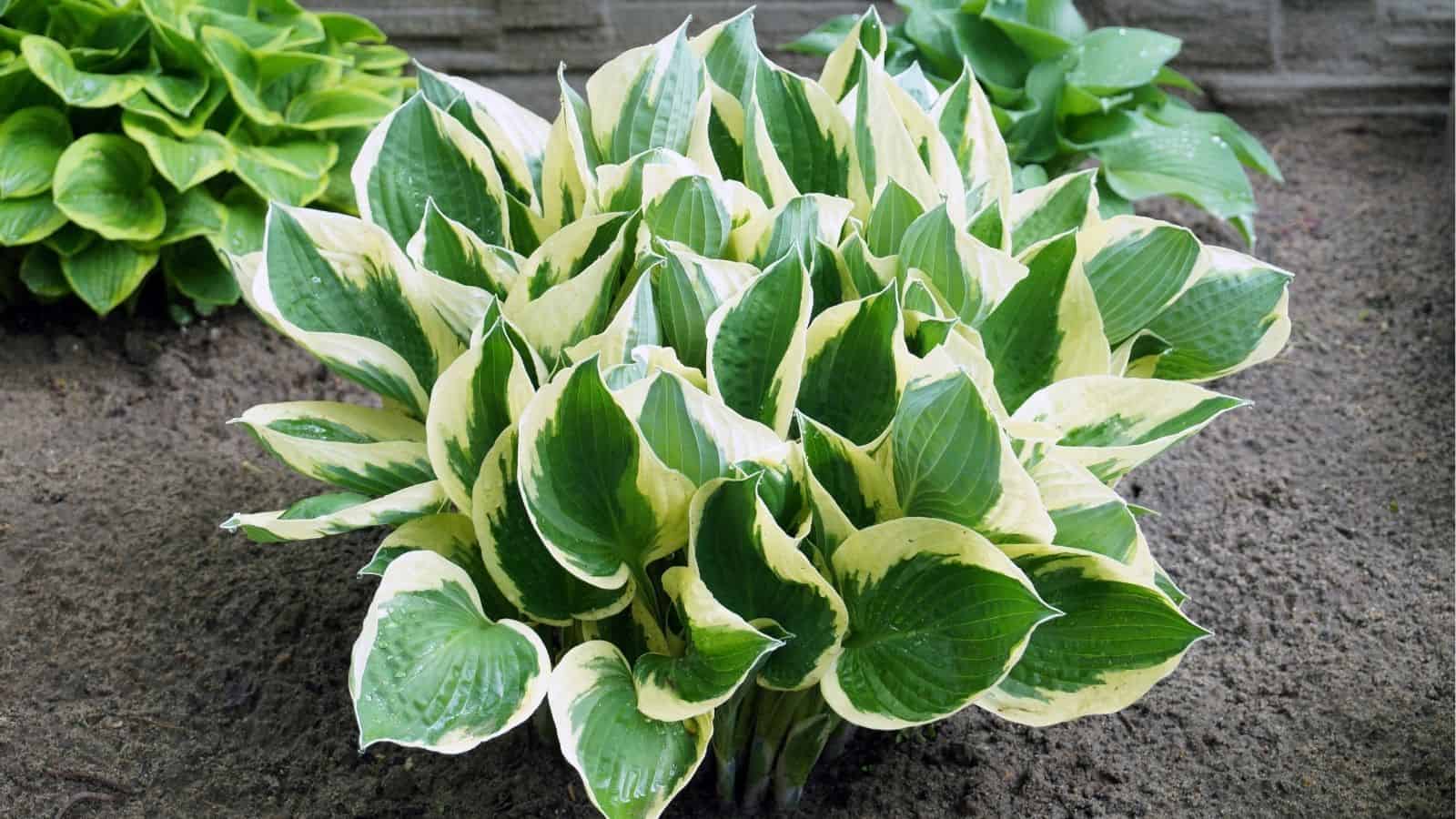
Hostas
Jump to a Section
Hostas can become crowded over time, reducing airflow and leaf size. Dividing them improves growth and maintains their lush appearance.
Daylilies

Daylilies thrive when split every few years. Division encourages more blooms and keeps the clumps manageable.
Irises

Bearded irises often form thick rhizomes. Dividing them prevents rot and encourages larger, more vibrant flowers.
Astilbes

Astilbes benefit from division to maintain fluffy, colorful plumes. It also prevents the center from dying out.
Sedum (Stonecrop)
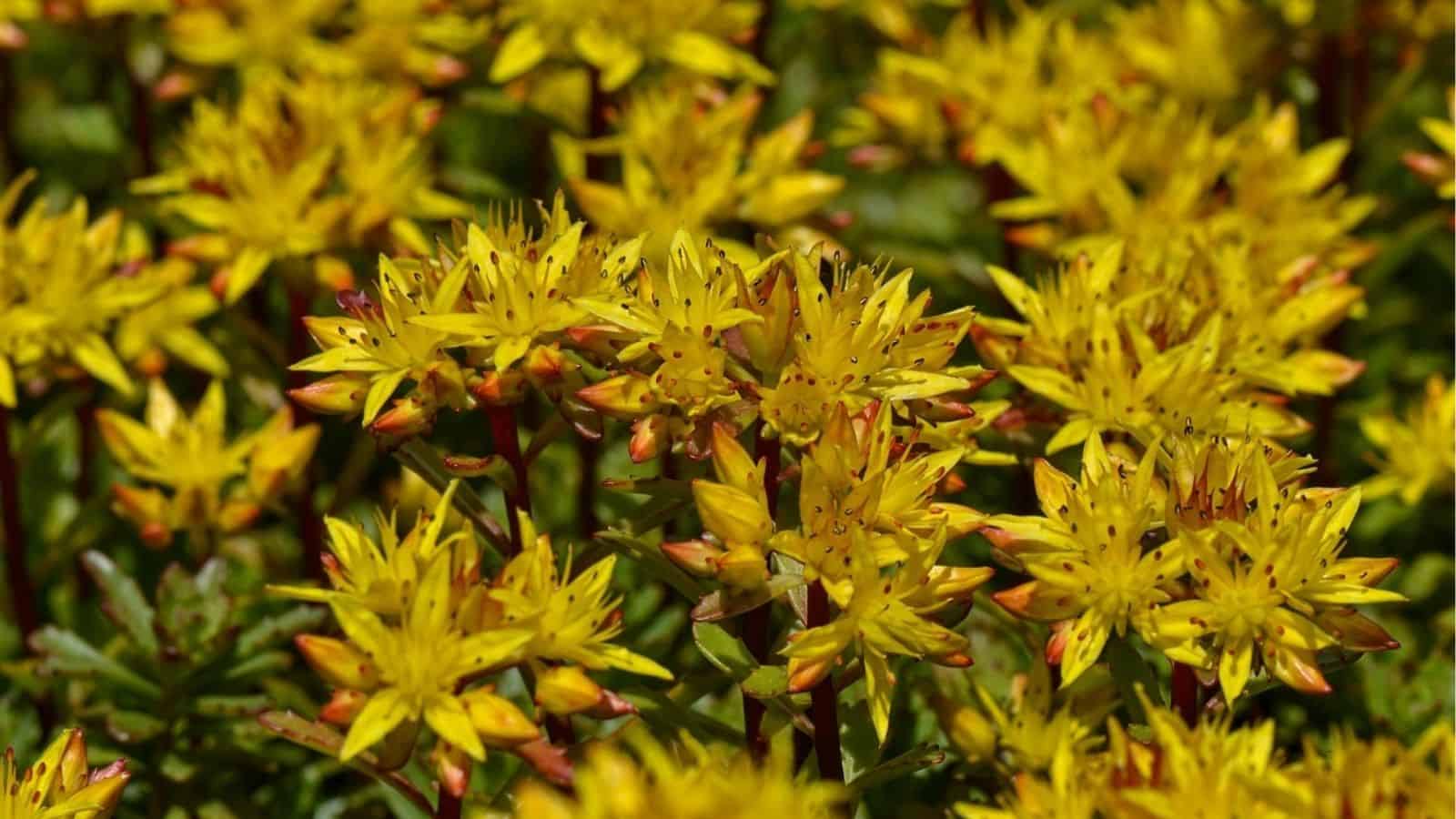
Dividing sedum prevents overcrowding and encourages stronger, fuller plants. Low-maintenance and drought-tolerant, they rebound easily.
Bee Balm (Monarda)

Bee balm can become dense and prone to powdery mildew. Dividing it improves air circulation and flower production.
Peonies
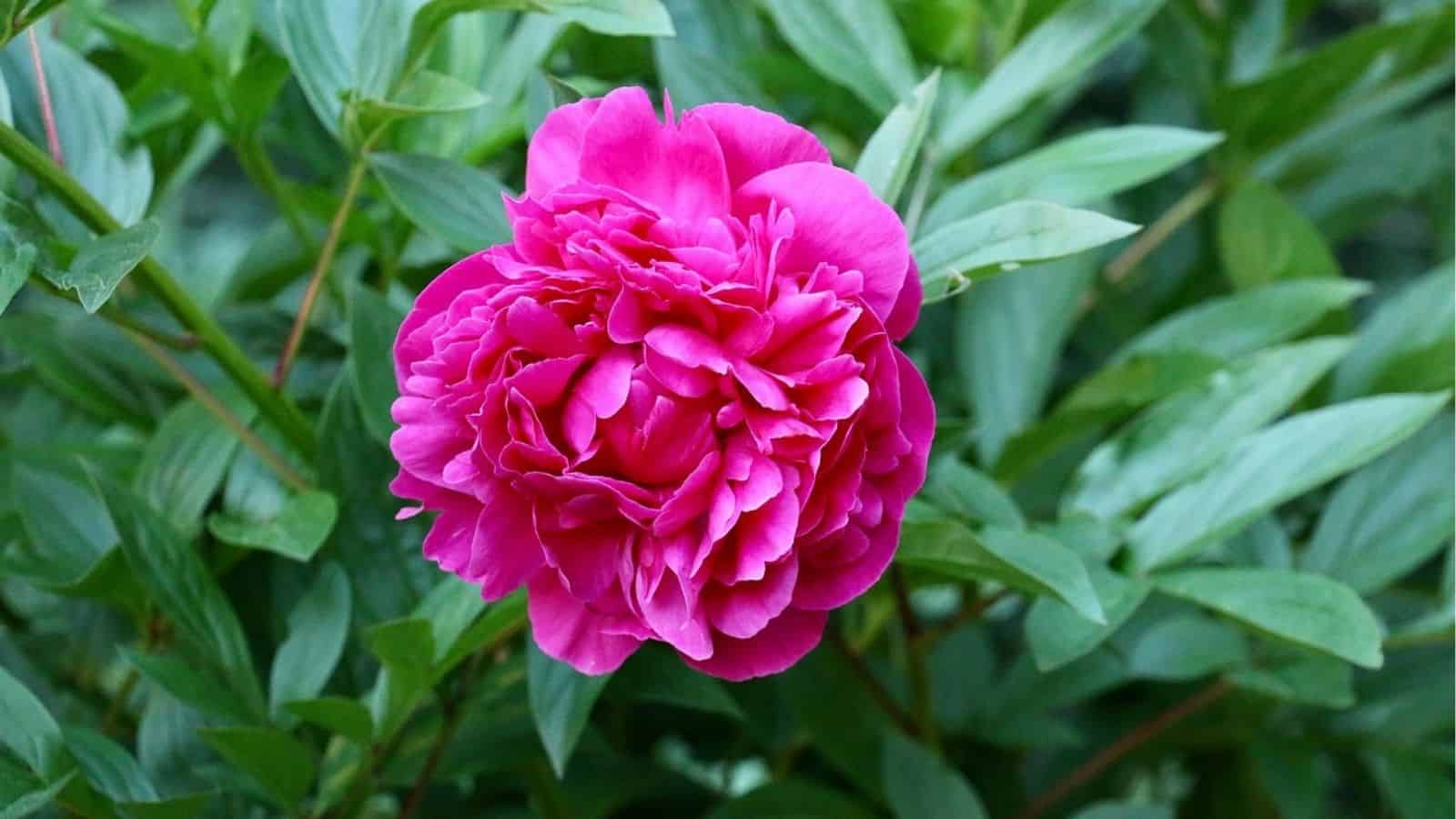
Peonies develop crowded root systems over decades. Dividing them every few years rejuvenates growth and bloom size.
Shasta Daisies

Shasta daisies spread quickly and can become scraggly. Division keeps the clumps tidy and flowering abundantly.
Coral Bells (Heuchera)
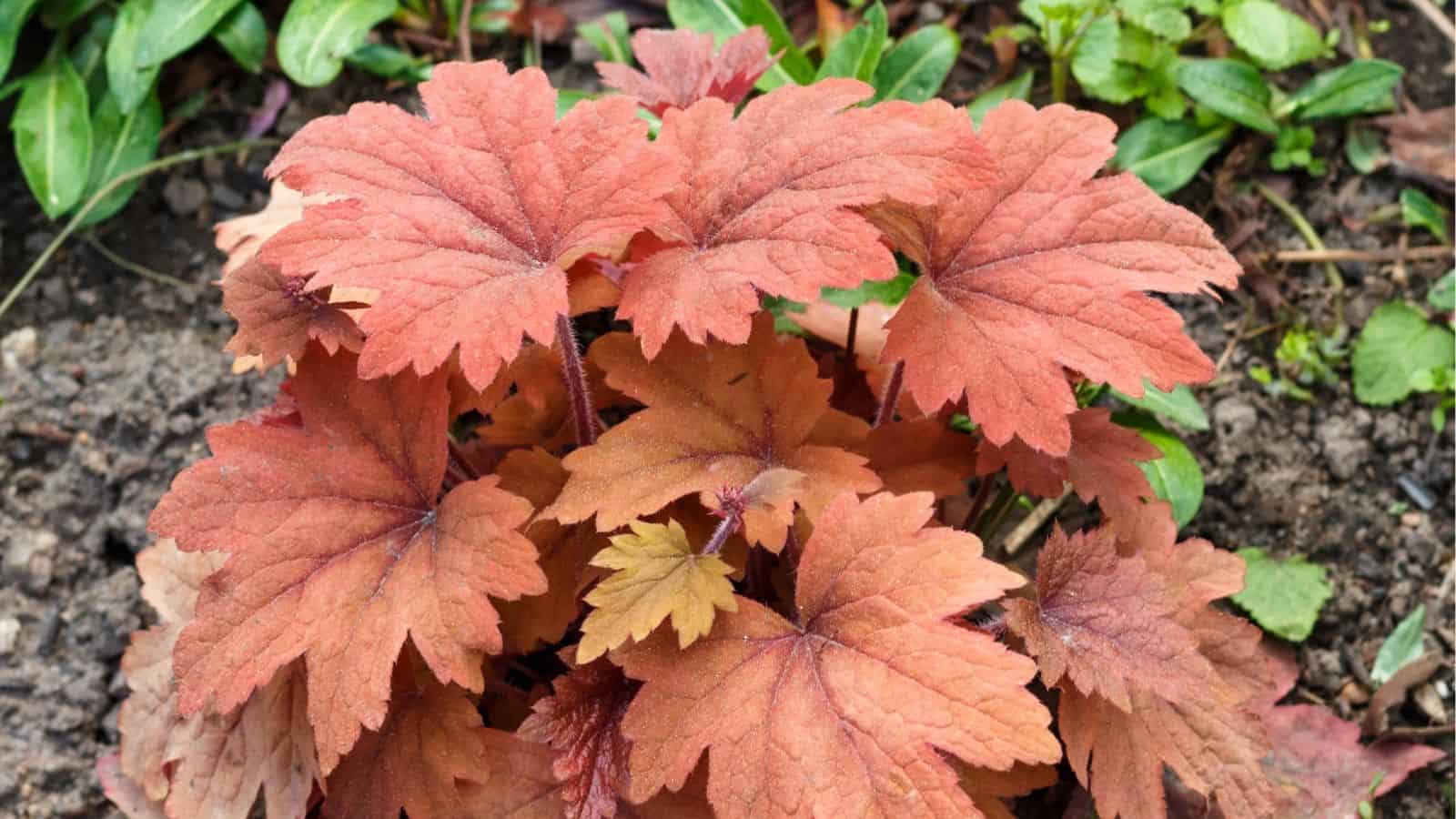
Heucheras benefit from division to prevent woody, sparse centers. It encourages fresh foliage and new growth.
Black-Eyed Susans (Rudbeckia)

Rudbeckia clumps thicken over time, reducing flowering. Dividing in fall ensures healthier, more prolific blooms.
Coral Honeysuckle (Lonicera)

Certain perennial honeysuckles benefit from division to maintain vigor. It prevents crowding and encourages better flowering.
Catmint (Nepeta)

Nepeta spreads quickly but can get leggy. Dividing rejuvenates the plant and keeps the foliage dense.
Hellebores
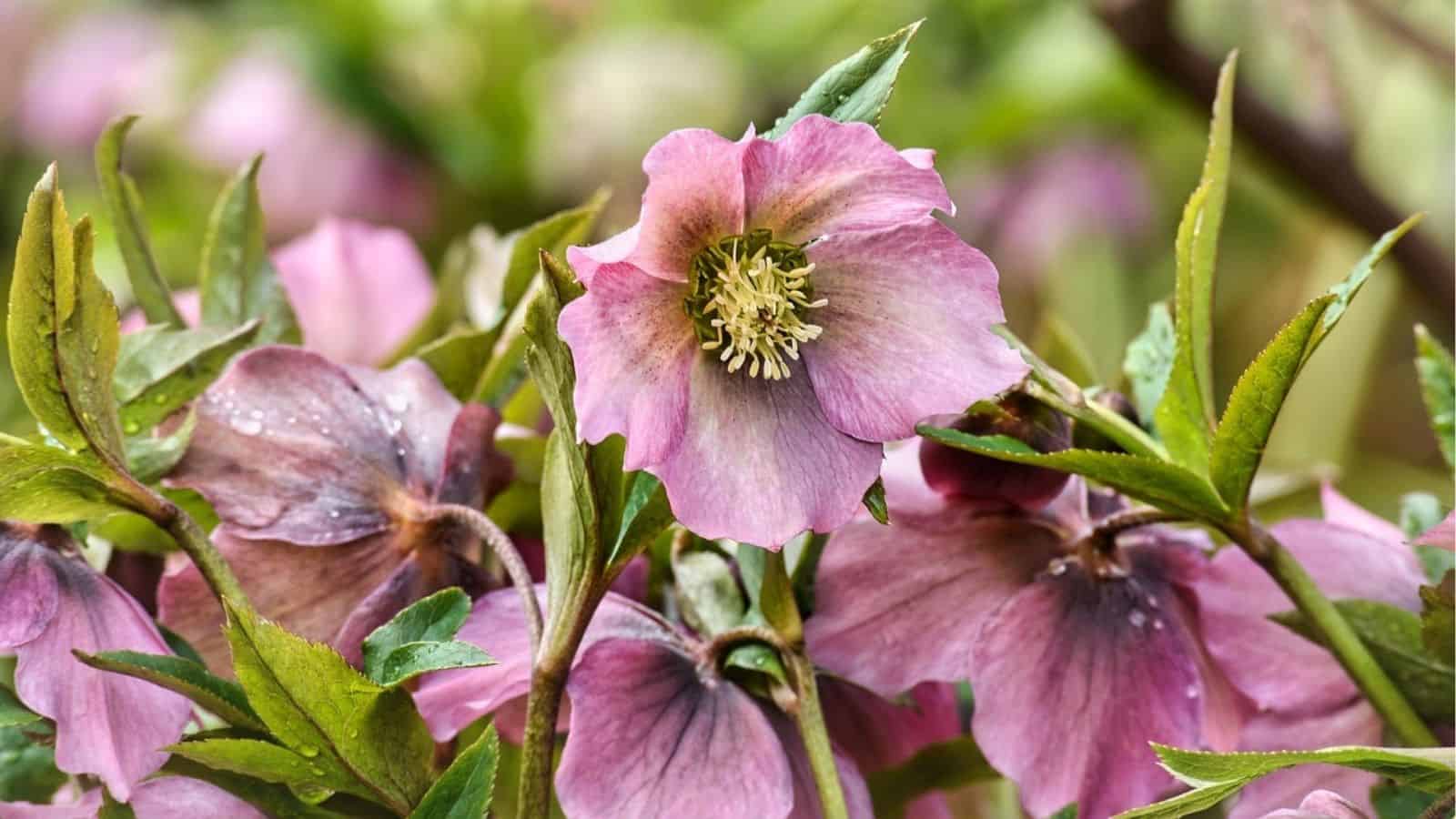
Hellebores form large clumps that may slow blooming. Dividing them improves airflow and encourages healthy, vibrant flowers.
Lavender

While not always necessary, dividing lavender every few years prevents woody centers and encourages new growth. It also boosts fragrance and bloom production.
Russian Sage (Perovskia)

Dividing Russian sage maintains vigor and prevents woody, bare stems. It helps keep the plant full and blooming heavily.
Dividing perennials each fall keeps your garden looking lush, vibrant, and healthy year after year. With these 15 plants, your garden will be stronger and more beautiful come spring.



Comments
No Comments