
• Skip to main content
  • Skip to primary sidebar

Schisandra & Bergamot logo

menu icon
go to homepage
  • Index
  • Subscribe
  • About
  • Contact
  • Daily Herb
    • Facebook
    • Instagram
    • Pinterest
  • subscribe
    search icon
    Homepage link
    • Index
    • Subscribe
    • About
    • Contact
    • Daily Herb
    • Facebook
    • Instagram
    • Pinterest
  • ×
    Home » Trending

    Published: Oct 3, 2025 by Kristen Wood · This post may contain affiliate links. If you make a purchase through links on our site, we may earn a commission. ·

    13 Plants Older Generations Trusted for Everyday Ailments

    3 shares
    • Facebook
    • Reddit

    Long before modern medicine filled our cabinets, people turned to their gardens and local landscapes for remedies. Plants were trusted allies for soothing coughs, calming nerves, and easing everyday aches. Many of these herbal traditions were passed down through families, rooted in both necessity and wisdom.

    While science has since confirmed the benefits of some and questioned others, these plants remain part of cultural history. Exploring them gives us a glimpse into the natural remedies that shaped everyday health for generations past. Here are 13 plants older generations trusted for common ailments.

    Chamomile
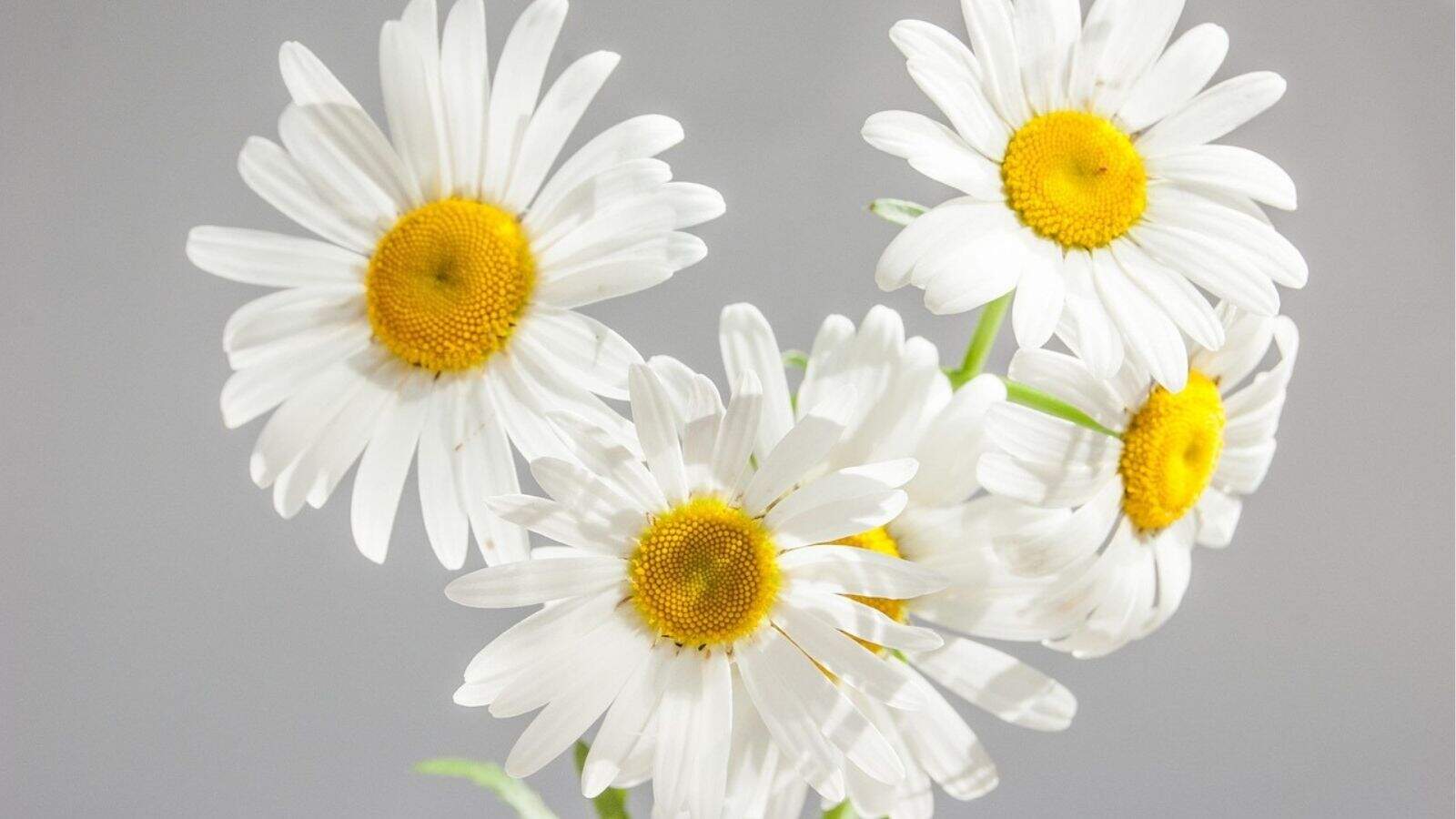
    Five white daisies with yellow centers against a plain gray background.
    Photo Credit: Olga_968/Pixabay

    Known for its calming effects, chamomile tea was often brewed to ease anxiety and promote restful sleep. It was also used to soothe upset stomachs and minor digestive issues.

    Peppermint

    Close-up view of fresh green mint leaves growing outdoors in soil.
    Photo Credit: ivabalk/Pixabay

    Peppermint leaves were steeped for teas to relieve indigestion and headaches. Its cooling oils were also applied topically for muscle aches.

    HERB OF THE DAY · Explore today’s herb →

    Ginger

    Ginger root with two slices on top, placed on woven material, under natural lighting.
    Photo Credit: Couleur/Pixabay

    Fresh or dried, ginger was a go-to for nausea, colds, and improving circulation. Older generations valued it for both flavor and healing power.

    Echinacea

    Cluster of purple coneflowers with pink petals and orange-brown centers growing outdoors against a green, blurred background.
    Photo Credit: alex ohan/Pixabay

    Often taken as a tea or tincture, echinacea was believed to strengthen the immune system. It was trusted for warding off colds and infections.

    Aloe Vera
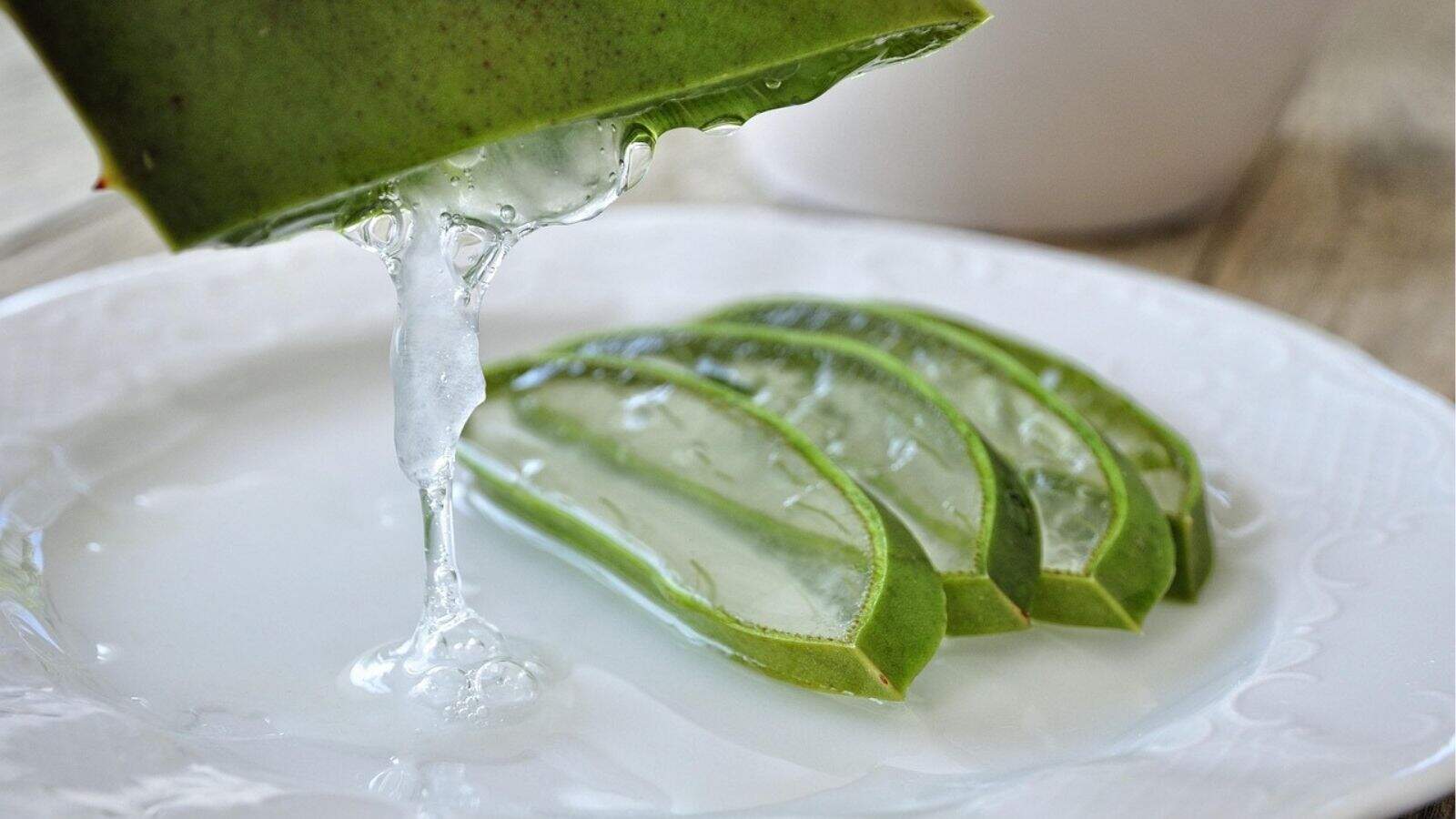
    A close-up of aloe vera gel being extracted from a leaf, with several sliced pieces of aloe vera on a white plate.
    Photo Credit: RosinaS/Pixabay

    The gel inside aloe leaves was used to soothe burns, cuts, and skin irritations. It became a household staple for its cooling relief.

    Garlic

    Several whole garlic bulbs rest on dark soil, with their roots and stems still attached.
    Photo Credit: jirkaejc/Envato

    Beyond the kitchen, garlic was thought to help with colds, infections, and even heart health. Its strong antibacterial properties made it a trusted natural remedy.

    Lavender

    A bundle of fresh lavender flowers lies on a light surface, with twine and scissors in the background.
    Photo Credit: viki2win/Envato

    Lavender was used to calm nerves, ease headaches, and encourage sleep. Sachets of dried lavender were often tucked under pillows for restful nights.

    Sage

    A close-up of a sage plant with elongated, gray-green leaves in sunlight.
    Photo Credit: Rasa Kasparaviciene/Unsplash

    Sage tea was a common remedy for sore throats and digestive issues. It was also used in gargles to freshen breath and soothe oral discomfort.

    Willow Bark

    A wooden bowl filled with light brown wood chips sits on a dark wooden surface.
    Photo Credit: pamela_d_mcadams/Deposit Photos

    Known as “nature’s aspirin,” willow bark was chewed or steeped to ease pain and reduce fevers. It contains salicin, a compound related to modern aspirin.

    Dandelion

    A large, radial rosette of green dandelion leaves grows on the ground, surrounded by dry grass and scattered leaves.
    Photo Credit: Hans/Pixabay

    Dandelion greens and roots were used for digestion and liver support. Despite being a “weed,” it was valued for its natural detoxifying properties.

    Elderberry

    Clusters of ripe dark purple elderberries hang from red stems amid green leaves in bright sunlight.
    Photo Credit: Noverodus/Pixabay

    Elderberry syrups and teas were trusted for boosting immunity during cold and flu season. Its berries were especially valued for fighting seasonal ailments.

    Calendula

    Bright orange marigold flower in full bloom with green leaves and a blurred stone background.
    Photo Credit: Boboshow/Pixabay

    Calendula flowers were made into salves and teas to heal cuts, rashes, and skin irritations. Its bright blooms were as medicinal as they were cheerful.

    Valerian Root

    Photo Credit: kolesnikovserg/Deposit Photos

    Valerian root was steeped for its sedative properties. Older generations relied on it to ease anxiety and improve sleep.

    These plants were once everyday essentials in homes and gardens, offering comfort and relief without a trip to the pharmacy. While not all remedies are still widely used today, they remain a fascinating reminder of how older generations leaned on nature’s medicine cabinet.


    More Trending

    • A woman talking on a cell phone.
      15 overlooked spots in your home that need winter attention
    • Person holding a potted plant and a spray bottle stands in a kitchen with green cabinetry and wooden shelves in the background.
      15 indoor gardening habits that pay off year-round
    • An older woman and a young girl sit on a couch smiling at each other while looking at an open book in the girl's lap.
      15 practical skills grandparents learned early that still matter
    • A woman in an apron holds a potted plant in one hand and makes a peace sign with the other, standing against a pink background.
      15 plants that symbolize renewal, rest, and winter wisdom

    About Kristen Wood

    Kristen is a plant lover, gardener, certified functional nutritional expert, cookbook author, writer, and photographer. Her work has been featured in many online and print publications including Willow & Sage Magazine, Forbes, NBC, New York Daily News, Healthline, MSN, Elle, Yoga Journal, and many more. She is also a syndicated writer for The Associated Press.

    Reader Interactions

    Comments

    No Comments

    Leave a Reply Cancel reply

    Your email address will not be published. Required fields are marked *

    Recipe Rating


    Primary Sidebar

    A close up of a woman's face in the sun, radiating with the gentle glow of schisandra and bergamot home.

    About Kristen Wood

    Kristen is a plant lover, gardener, certified functional nutritional expert, cookbook author, writer, and photographer. Her work has been featured in many online and print publications including Willow & Sage Magazine, Forbes, NBC, New York Daily News, Healthline, MSN, Elle, Yoga Journal, and many more. She is also a syndicated writer for The Associated Press.

    Learn more about me →

    Herb of the Day

    Meet today’s featured herb with gentle kitchen ideas, botanical notes, folklore, and a quiet reflection to take with you.

    Explore Today’s Herb

    Follow us!

    Footer

    ↑ back to top

    About

    • Privacy Policy
    • Google Web Stories
    • Accessibility Statement
    • Disclaimer

    Newsletter

    • Sign up for our newsletter to receive our latest posts!

    Contact

    • Contact

    Copyright © 2026 Schisandra & Bergamot
    Disclaimer: As An Amazon Associate I Earn From Qualifying Purchases.

    Herb of the Day

    Discover today’s featured herb with simple kitchen ideas, botanical notes, folklore, and a reflective message.

    Explore
    3 shares