
• Skip to main content
  • Skip to primary sidebar

Schisandra & Bergamot logo

menu icon
go to homepage
  • Index
  • Subscribe
  • About
  • Contact
  • Daily Herb
    • Facebook
    • Instagram
    • Pinterest
  • subscribe
    search icon
    Homepage link
    • Index
    • Subscribe
    • About
    • Contact
    • Daily Herb
    • Facebook
    • Instagram
    • Pinterest
  • ร—
    Home ยป Trending

    Published: Sep 26, 2025 by Kristen Wood ยท This post may contain affiliate links. If you make a purchase through links on our site, we may earn a commission. ยท

    11 Plants That Attract Pollinators Even in Cooler Months

    13 shares
    • Facebook
    • Reddit

    Pollinators donโ€™t disappear once the weather coolsโ€”theyโ€™re still searching for food sources and shelter. By planting the right flowers and shrubs, you can support bees, butterflies, and other beneficial insects late into the season. Not only does this help wildlife, but it also keeps your garden lively with color and movement.

    Adding a few hardy, late-blooming plants ensures your outdoor space continues to thrive. Here are 11 plants that attract pollinators even in cooler months.

    Asters

    Cluster of vibrant purple flowers with yellow centers, set against a dark green background.
    Photo Credit: manfredrichter/Pixabay

    These daisy-like flowers bloom well into fall, providing nectar when few other plants do. Bees and butterflies flock to their late-season blossoms. Their bright purple and pink colors add cheer to autumn gardens.

    Goldenrod

    Close-up of bright yellow goldenrod flowers in bloom against a dark background.
    Photo Credit: manfredrichter/Pixabay

    Often misunderstood as a cause of allergies, goldenrod is actually a pollinator magnet. Its golden-yellow blooms appear in late summer and continue into fall. Bees and butterflies rely on it as a crucial food source.

    HERB OF THE DAY ยท Explore todayโ€™s herb โ†’

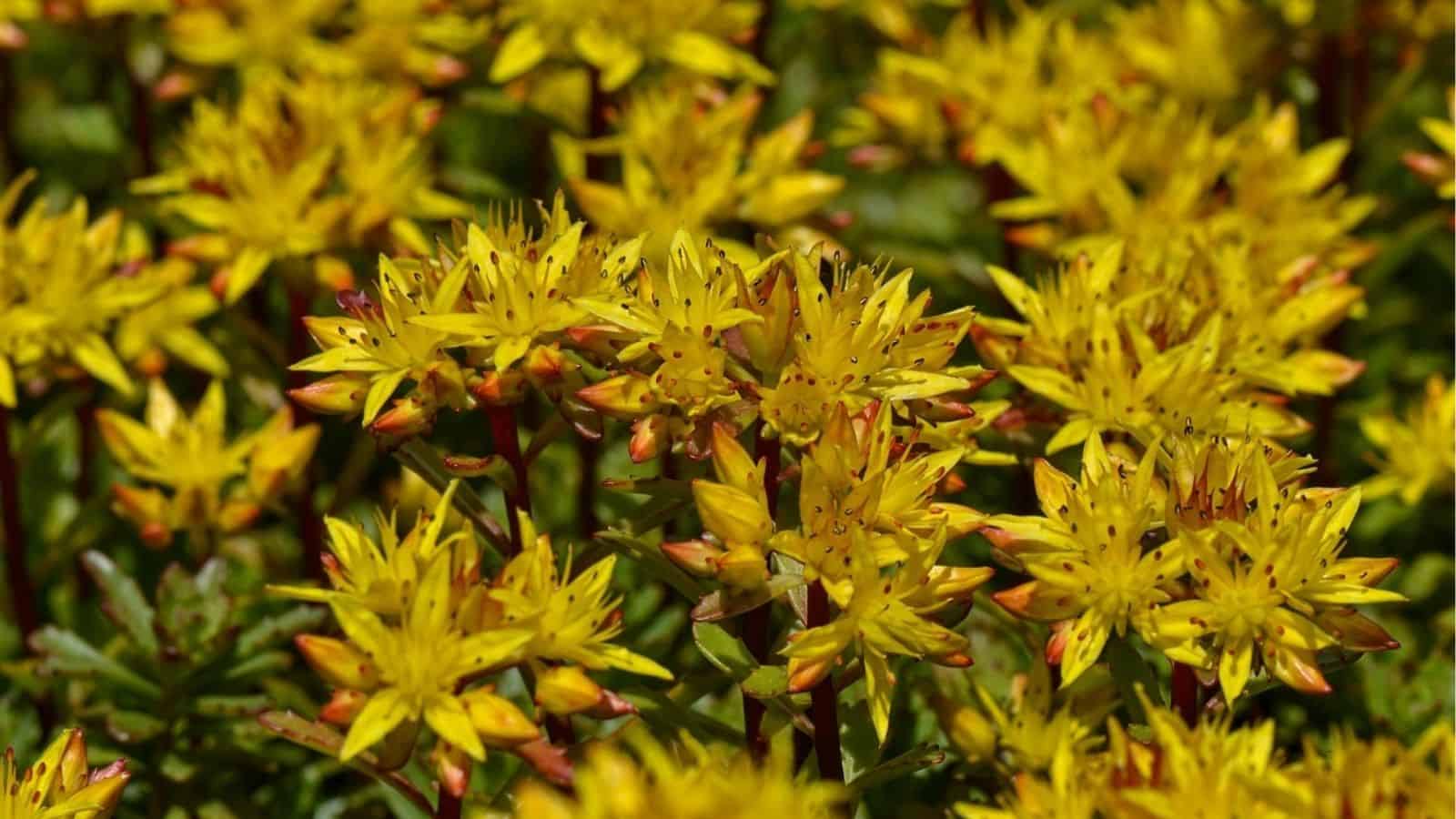
    Sedum (Stonecrop)

    A dense cluster of yellow star-shaped flowers in bloom, surrounded by green foliage.
    Photo Credit: Walter46/Pixabay

    Sedums bloom in clusters of star-shaped flowers that attract pollinators well into autumn. Their hardy nature makes them perfect for cooler months. The foliage also adds texture and interest to garden beds.

    Joe-Pye Weed

    A cluster of green leaves with pink and white star-shaped flowers in a lush garden setting.
    Photo Credit: leoleobobeo/Pixabay

    This tall, late-blooming perennial produces clusters of pink-purple flowers. Itโ€™s especially attractive to butterflies and native bees. Even as temperatures drop, Joe-Pye weed provides reliable nectar.

    Anise Hyssop

    Close-up of a cluster of small purple flowers with green leaves, set against a blurred green background, creating a serene outdoor scene.
    Photo Credit: Annie_Bananie42/Pixabay

    Anise hyssop is beloved for its licorice-scented leaves and long-lasting purple blooms. Pollinators are drawn to it even in the chillier months. Plus, it doubles as a beautiful ornamental plant.

    Witch Hazel

    Close-up of witch hazel branches with clusters of yellow, ribbon-like flowers against a blurred green background.
    Photo Credit: haseg77/Deposit Photos

    Blooming when most plants are dormant, witch hazel produces fragrant yellow or orange flowers in late fall. Its unusual bloom time offers pollinators vital nourishment. Itโ€™s also a striking shrub for the landscape.

    Helenium (Sneezeweed)
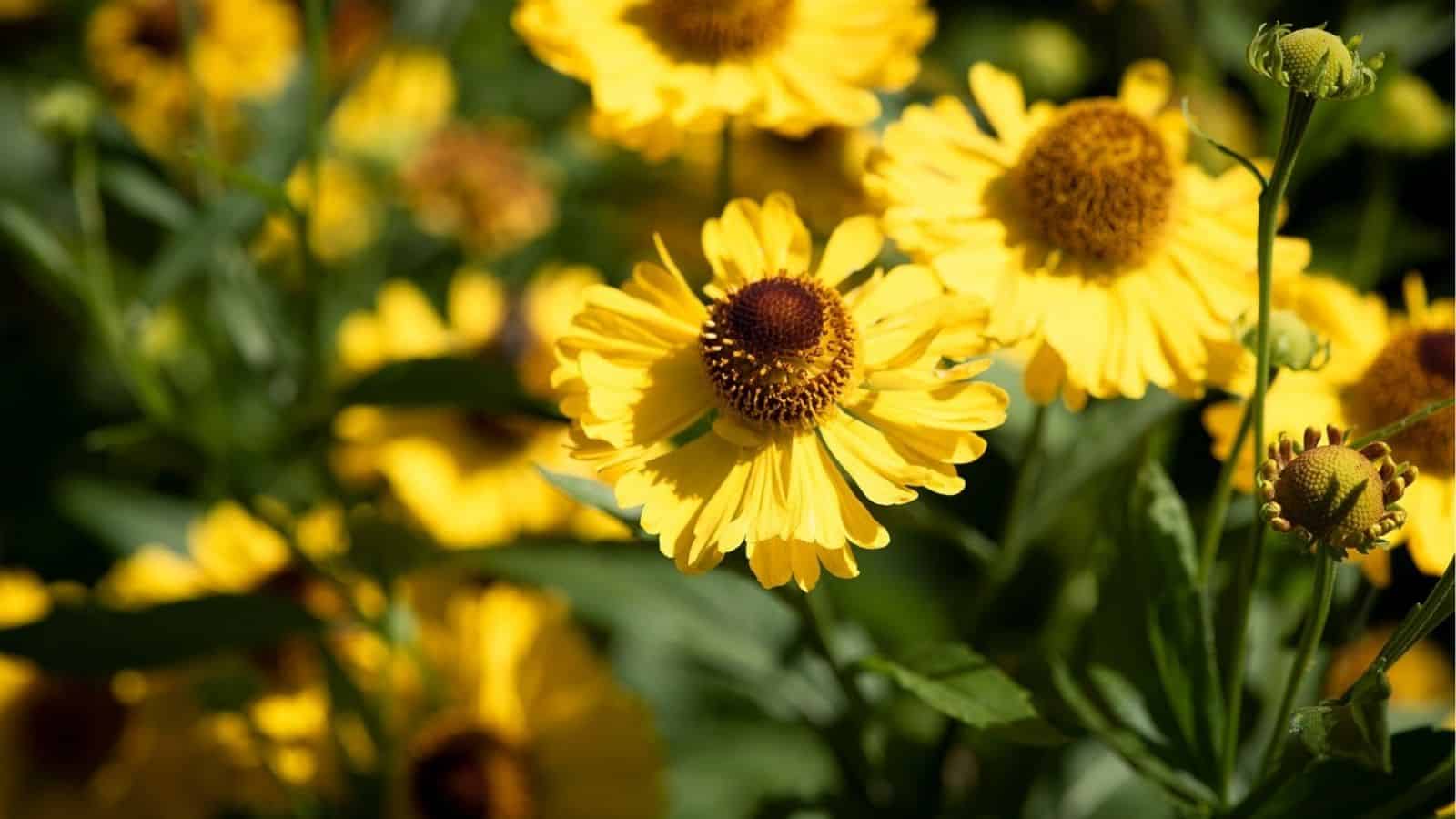
    A close-up of several bright yellow flowers with dark brown centers, surrounded by green leaves and stems, in sunlight.
    Photo Credit: Pezibear/Pixabay

    Despite its name, sneezeweed doesnโ€™t trigger allergies and is loved by pollinators. Its bold yellow and orange blooms appear in late summer and last into fall. Bees especially rely on its nectar during cooler weather.

    Heather

    Close-up of vibrant purple flowers with small, delicate petals and green foliage in the background.
    Photo Credit: Jithin Vijayamohanan/Pexels

    Winter-blooming varieties of heather offer nectar when almost nothing else is available. Its small, colorful flowers are irresistible to bees. Heather also brings evergreen beauty to gardens in colder months.

    Ivy (When Flowering)

    Green ivy leaves with white veins climb over a tree bark.
    Photo Credit: GAIMARD/Pixabay

    Flowering ivy is a surprising but important nectar source in late fall. Its clusters of small green flowers attract bees and hoverflies. The plant also offers shelter for overwintering insects.

    Hellebores

    Close-up of two pink hellebore flowers with a blurred natural background. One flower is fully open, displaying its stamens, while the other is partially closed.
    Photo Credit: Petr Ganaj/Pexels

    Known as โ€œChristmas roses,โ€ hellebores bloom in late winter when food is scarce. Their nodding flowers provide nectar for early-emerging pollinators. They add elegant beauty to shady garden spots.

    Mahonia

    A shrub with clusters of small yellow flowers and green spiky leaves grows in front of a woven wooden fence.
    Photo Credit: bondvit/Deposit Photos

    Also called Oregon grape, mahonia produces fragrant yellow flowers in late winter. These blooms attract early pollinators and brighten cold-weather gardens. Its blue berries later feed birds, extending its wildlife value.

    By choosing plants that bloom late in the season or even in winter, you can help pollinators survive when resources are limited. These hardy options keep your garden buzzing with life and ensure a healthier ecosystem year-round.


    More Trending

    • A woman talking on a cell phone.
      15 overlooked spots in your home that need winter attention
    • Person holding a potted plant and a spray bottle stands in a kitchen with green cabinetry and wooden shelves in the background.
      15 indoor gardening habits that pay off year-round
    • An older woman and a young girl sit on a couch smiling at each other while looking at an open book in the girl's lap.
      15 practical skills grandparents learned early that still matter
    • A woman in an apron holds a potted plant in one hand and makes a peace sign with the other, standing against a pink background.
      15 plants that symbolize renewal, rest, and winter wisdom

    About Kristen Wood

    Kristen is a plant lover, gardener, certified functional nutritional expert, cookbook author, writer, and photographer. Her work has been featured in many online and print publications including Willow & Sage Magazine, Forbes, NBC, New York Daily News, Healthline, MSN, Elle, Yoga Journal, and many more. She is also a syndicated writer for The Associated Press.

    Reader Interactions

    Comments

    No Comments

    Leave a Reply Cancel reply

    Your email address will not be published. Required fields are marked *

    Recipe Rating


    Primary Sidebar

    A close up of a woman's face in the sun, radiating with the gentle glow of schisandra and bergamot home.

    About Kristen Wood

    Kristen is a plant lover, gardener, certified functional nutritional expert, cookbook author, writer, and photographer. Her work has been featured in many online and print publications including Willow & Sage Magazine, Forbes, NBC, New York Daily News, Healthline, MSN, Elle, Yoga Journal, and many more. She is also a syndicated writer for The Associated Press.

    Learn more about me โ†’

    Herb of the Day

    Meet todayโ€™s featured herb with gentle kitchen ideas, botanical notes, folklore, and a quiet reflection to take with you.

    Explore Todayโ€™s Herb

    Follow us!

    Footer

    โ†‘ back to top

    About

    • Privacy Policy
    • Google Web Stories
    • Accessibility Statement
    • Disclaimer

    Newsletter

    • Sign up for our newsletter to receive our latest posts!

    Contact

    • Contact

    Copyright ยฉ 2026 Schisandra & Bergamot
    Disclaimer: As An Amazon Associate I Earn From Qualifying Purchases.

    Herb of the Day

    Discover todayโ€™s featured herb with simple kitchen ideas, botanical notes, folklore, and a reflective message.

    Explore
    13 shares