

Fall is a critical time for birds as they prepare for migration or stock up for the colder months ahead. By planting the right varieties, you can turn your backyard into a reliable food source and sanctuary. From berry-laden shrubs to seed-rich flowers, these plants are irresistible to feathered visitors.
Not only will you enjoy the beauty of fall foliage and blooms, but you’ll also get the joy of watching more birds flock to your yard. Here are 12 plants that bring both seasonal color and wildlife activity to your garden.
Serviceberry

Jump to a Section
Serviceberry trees and shrubs produce clusters of berries that birds adore. In fall, the fruit ripens into a tasty treat just when birds need it most. The brilliant foliage also makes them a seasonal showstopper.
American Beautyberry
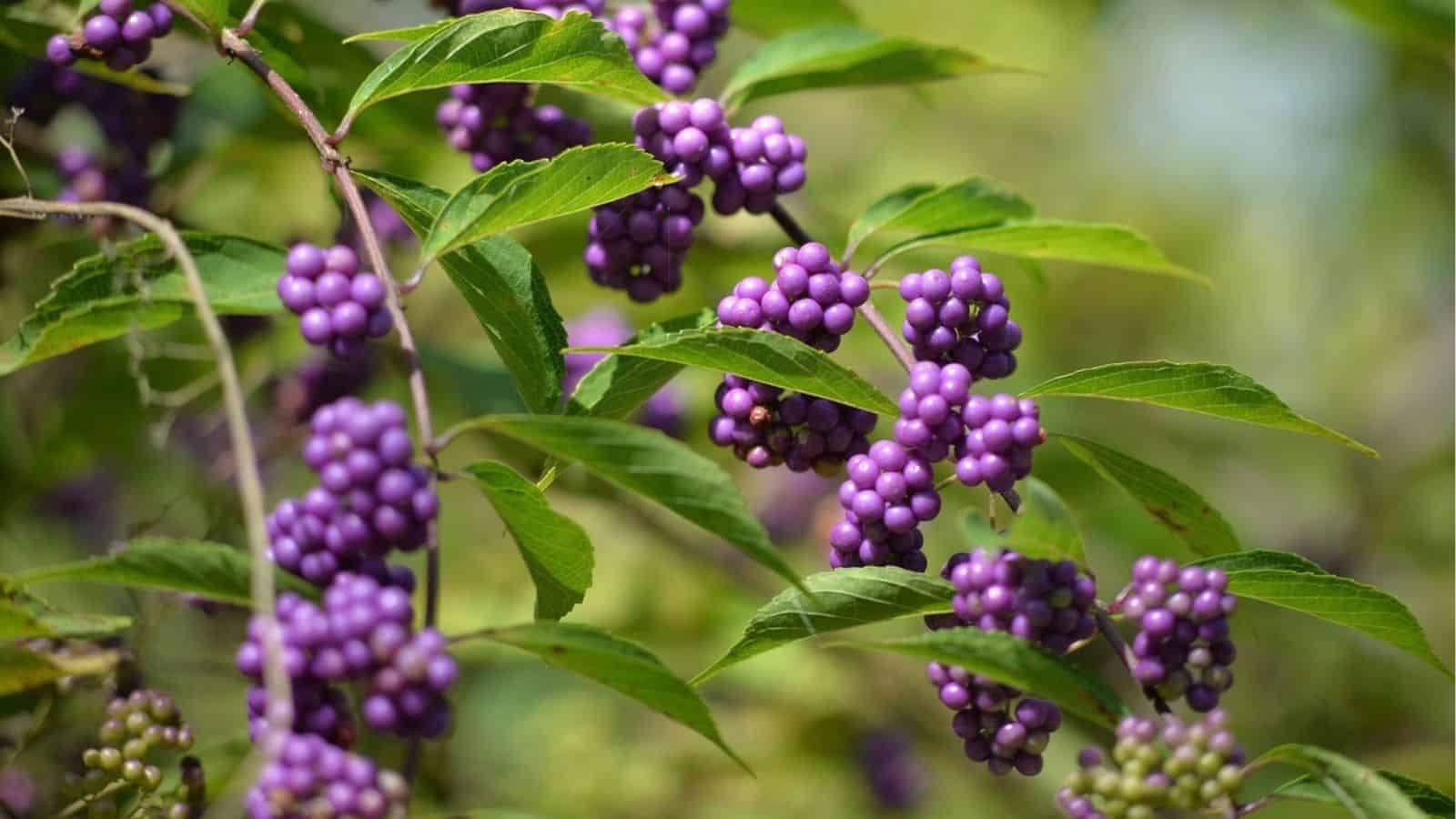
This shrub is famous for its bright purple berries that appear in autumn. The colorful clusters attract mockingbirds, robins, and other backyard favorites. Its striking look adds visual appeal while feeding hungry birds.
Sunflowers

Sunflowers provide an abundant source of seeds well into fall. Finches, cardinals, and chickadees are frequent visitors once the blooms dry out. Leaving seed heads standing gives birds both food and shelter.
Crabapple

Crabapple trees produce small fruits that persist into the colder months. Birds like cedar waxwings and thrushes flock to them for nourishment. Their colorful fruit also adds brightness to fall landscapes.
Coneflowers

When left untrimmed, coneflowers offer seed heads that attract finches and sparrows. Their tall, sturdy stems also provide perching spots. These low-maintenance flowers keep your garden lively long after summer ends.
Dogwood

Dogwood trees and shrubs bear berries in fall that birds can’t resist. Species like robins and bluebirds especially enjoy their fruit. Their foliage also turns a brilliant red, adding double beauty to your yard.
Elderberry

Elderberries ripen in late summer and early fall, providing essential food for birds. Flocks of starlings and other species eagerly feast on the berries. The shrub’s fast growth makes it a reliable backyard option.
Goldenrod

Goldenrod produces seeds that attract small birds, especially sparrows. Its bright yellow blooms are also magnets for pollinators. By leaving it standing through fall, you’ll extend its wildlife benefits.
Viburnum

Viburnums offer berries in shades of red, blue, and black during autumn. They draw in a wide variety of birds while adding color to your landscape. Many varieties are evergreen, keeping your yard lush year-round.
Hawthorn

Hawthorn trees bear small red fruits, often called haws, that persist into winter. Birds enjoy these nutrient-rich snacks late into the season. Their thorny branches also provide excellent shelter and protection.
Millet

Millet plants produce seed heads that attract ground-feeding birds like doves and sparrows. It’s easy to grow and thrives in sunny spots. Leaving the stalks standing ensures a steady food source in fall.
Oak Trees

Acorns from oak trees are an important food source for many bird species, including jays and woodpeckers. These hardy trees also provide shelter and nesting sites. Planting an oak means you’ll support birdlife for generations to come.
By adding these plants to your fall landscape, you’ll create a welcoming stopover for migrating birds and a refuge for year-round species. It’s a simple way to enjoy more color, sound, and life in your backyard.





Comments
No Comments