
• Skip to main content
  • Skip to primary sidebar

Schisandra & Bergamot logo

menu icon
go to homepage
  • Index
  • Subscribe
  • About
  • Contact
  • Videos
    • Facebook
    • Instagram
    • Pinterest
  • subscribe
    search icon
    Homepage link
    • Index
    • Subscribe
    • About
    • Contact
    • Videos
    • Facebook
    • Instagram
    • Pinterest
  • ×
    Home » Trending

    Published: Jul 31, 2025 by Kristen Wood · This post may contain affiliate links. If you make a purchase through links on our site, we may earn a commission. ·

    10 Plants That Don’t Belong in Your Garden (Even If They Look Nice)

    11 shares
    • Facebook
    • Reddit

    Some plants may look picture-perfect, but they can quickly become a garden headache. Whether they're invasive, toxic, or just plain high-maintenance, certain plants are best admired from afar. A little research can save you a lot of trouble later.

    Here are 10 attractive plants that don’t belong in your garden—and why skipping them is the smarter choice.

    English Ivy

    Green ivy leaves with white veins climb over a tree bark.
    Photo Credit: GAIMARD/Pixabay

    It may give off romantic cottage-core vibes, but English ivy is a fast-spreading invasive plant. It can choke out native species, damage brickwork, and climb trees to the point of suffocation. Once it’s in, it’s hard to get out.

    Bamboo

    Tall green bamboo stalks rise closely together in a dense forest, with sunlight filtering through the leaves above and a carpet of dry leaves on the ground.
    Photo Credit: Pexels/Pixabay

    Bamboo might offer instant privacy, but it spreads aggressively through underground rhizomes. Many homeowners regret planting it because it invades lawns, sidewalks, and even neighbors' yards. Containing it is a battle you likely won’t win.

    Mint (Planted in the Ground)

    A wooden bowl filled with fresh mint leaves sits on a white surface next to a card labeled "Mint" against a blue background.
    Photo Credit: AtlasComposer/Envato

    Mint smells great and grows easily—but that’s the problem. When planted directly in the garden, it can take over entire beds in just a season. Keep it in a pot if you love the flavor, but never give it free rein.

    Wisteria

    Close-up of cascading purple wisteria flowers in full bloom against a light-colored wall.
    Photo Credit: wal_172619/Pixabay

    Wisteria’s cascading blooms are breathtaking, but this vine is strong enough to destroy fences, gutters, and even your house siding. It grows quickly and becomes woody and heavy, requiring constant pruning and structural support. Beauty with a beastly side.

    Morning Glory

    A purple morning glory flower with water droplets sits among green leaves.
    Photo Credit: Pixabay/Pexels

    These cheerful climbers can charm you with their blooms, but many varieties are invasive and tough to control. They self-seed aggressively and smother other plants as they climb. One season of neglect can lead to a tangled mess.

    Purple Loosestrife

    Tall purple wildflowers grow along the edge of a body of water, with green stems and leaves visible in the foreground.
    Photo Credit: GAIMARD/Pixabay

    This striking wildflower is often sold in garden centers, but it wreaks havoc in wetlands and along waterways. It displaces native plants and destroys habitats for wildlife. Some regions have even banned its sale for good reason.

    Callery Pear (Bradford Pear)

    A close-up of a tree branch with clusters of small white blossoms and green leaves against a blurred green background.
    Photo Credit: iker.zabaleta/Deposit Photos

    This ornamental tree looks lovely in bloom, but it’s a short-lived, weak tree prone to splitting in storms. Worse, it spreads quickly and crossbreeds to form thorny, wild offspring. Its invasive nature outweighs its spring beauty.

    Lily of the Valley

    Close-up of white lily of the valley flowers with green leaves in the background.
    Photo Credit: Ilo Frey/Pexels

    While undeniably fragrant and pretty, lily of the valley is both toxic and invasive. It spreads through underground rhizomes and can be difficult to eliminate once established. It’s especially dangerous in gardens with pets or small children.

    Barberry
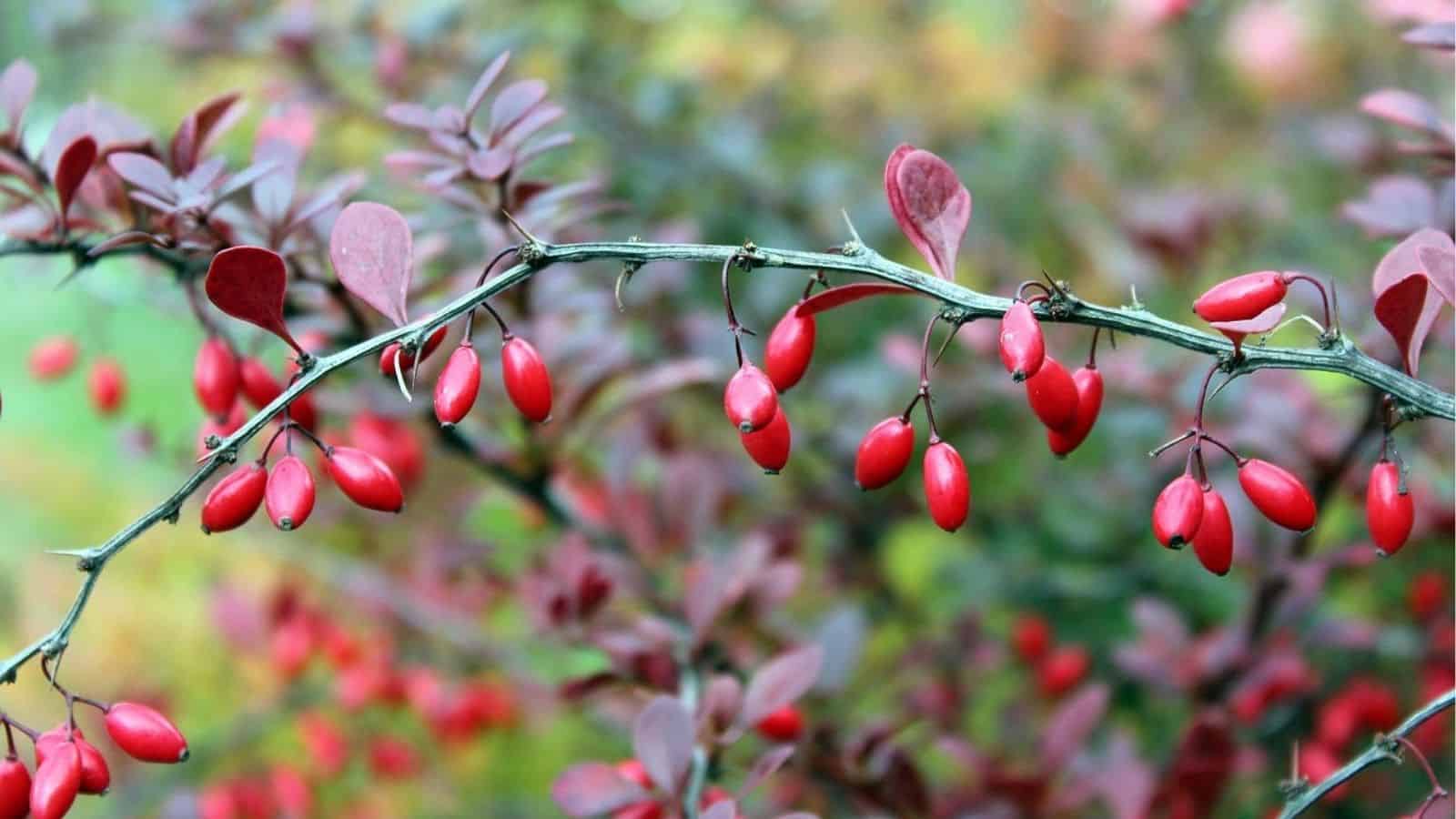
    A branch with clusters of small, oval-shaped red berries and purple-tinged leaves against a blurred natural background.
    Photo Credit: _Alicja_/Pixabay

    Often used for colorful landscaping, barberry spreads easily into forests and displaces native plants. It also creates a habitat for ticks, increasing the risk of Lyme disease. Several states have even listed it as an invasive species.

    Yellow Flag Iris

    A close-up of a yellow iris flower with long green leaves, set against a blurred background.
    Photo Credit: Didgeman/Pixabay

    This plant is a stunner near ponds, but it quickly crowds out native aquatic plants and disrupts ecosystems. Its dense root systems can block water flow and damage natural habitats. A pretty plant with an ugly environmental cost.

    Not all beautiful plants are garden-friendly. Some cause long-term damage, outcompete native species, or create maintenance nightmares you didn’t see coming. By choosing your plants wisely, you’ll protect your garden’s health—and avoid regret down the road.

    More Trending

    • A person wearing safety goggles and earmuffs uses a handheld power tool on a wooden board in a workshop.
      15 low-effort home projects to make your space feel warm and grounded
    • Two people in winter clothing select a Christmas tree at an outdoor lot, with one holding a bundled tree and the other examining branches.
      15 ways to use pine needles, cones, and evergreens at home
    • A tin of solid balm sits on a speckled surface, surrounded by dried lavender sprigs and scattered lavender buds, next to a white patterned cloth.
      15 simple salves and balms made with plant-based ingredients
    • A black pot filled with assorted dried herbs is surrounded by various dried plants, seeds, mushrooms, and a mortar with pestle on a rustic wooden table.
      15 cottage apothecary projects to welcome the colder months

    About Kristen Wood

    Kristen is a plant lover, gardener, certified functional nutritional expert, cookbook author, writer, and photographer. Her work has been featured in many online and print publications including Willow & Sage Magazine, Forbes, NBC, New York Daily News, Healthline, MSN, Elle, Yoga Journal, and many more. She is also a syndicated writer for The Associated Press.

    Reader Interactions

    Comments

    No Comments

    Leave a Reply Cancel reply

    Your email address will not be published. Required fields are marked *

    Recipe Rating


    Primary Sidebar

    A close up of a woman's face in the sun, radiating with the gentle glow of schisandra and bergamot home.

    About Kristen Wood

    Kristen is a plant lover, gardener, certified functional nutritional expert, cookbook author, writer, and photographer. Her work has been featured in many online and print publications including Willow & Sage Magazine, Forbes, NBC, New York Daily News, Healthline, MSN, Elle, Yoga Journal, and many more. She is also a syndicated writer for The Associated Press.

    Learn more about me →

    Follow us!

    Footer

    ↑ back to top

    About

    • Privacy Policy
    • Google Web Stories
    • Accessibility Statement
    • Disclaimer

    Newsletter

    • Sign up for our newsletter to receive our latest posts!

    Contact

    • Contact

    Copyright © 2025 Schisandra & Bergamot
    Disclaimer: As An Amazon Associate I Earn From Qualifying Purchases.

    11 shares