
• Skip to main content
  • Skip to primary sidebar

Schisandra & Bergamot logo

menu icon
go to homepage
  • Index
  • Subscribe
  • About
  • Contact
  • Daily Herb
    • Facebook
    • Instagram
    • Pinterest
  • subscribe
    search icon
    Homepage link
    • Index
    • Subscribe
    • About
    • Contact
    • Daily Herb
    • Facebook
    • Instagram
    • Pinterest
  • ×
    Home » Trending

    Published: May 24, 2025 by Kristen Wood · This post may contain affiliate links. If you make a purchase through links on our site, we may earn a commission. ·

    9 Plants That Look Dangerous but Are Surprisingly Edible

    9 shares
    • Facebook
    • Reddit

    Nature has a way of playing tricks on the eye—some of the most edible plants look like they belong in a poisonous patch. Spiky textures, bitter smells, or unusual colors might convince you to steer clear, but looks can be deceiving.

    In fact, some of these wild-looking plants are not only edible but also delicious and packed with nutrients. You might even have a few growing in your backyard without realizing it. Here are nine plants that seem dangerous—but are actually safe to eat.

    Stinging Nettle

    Close-up of a green nettle plant with serrated leaves, growing in sunlight with blurred grass in the background.
    Photo Credit: meineresterampe/Pixabay

    Covered in tiny hairs that sting on contact, stinging nettle might seem like a plant to avoid. But once cooked, those stingers vanish, revealing a nutrient-rich green similar to spinach. It’s packed with iron, calcium, and vitamins A and C.

    Fiddlehead Ferns
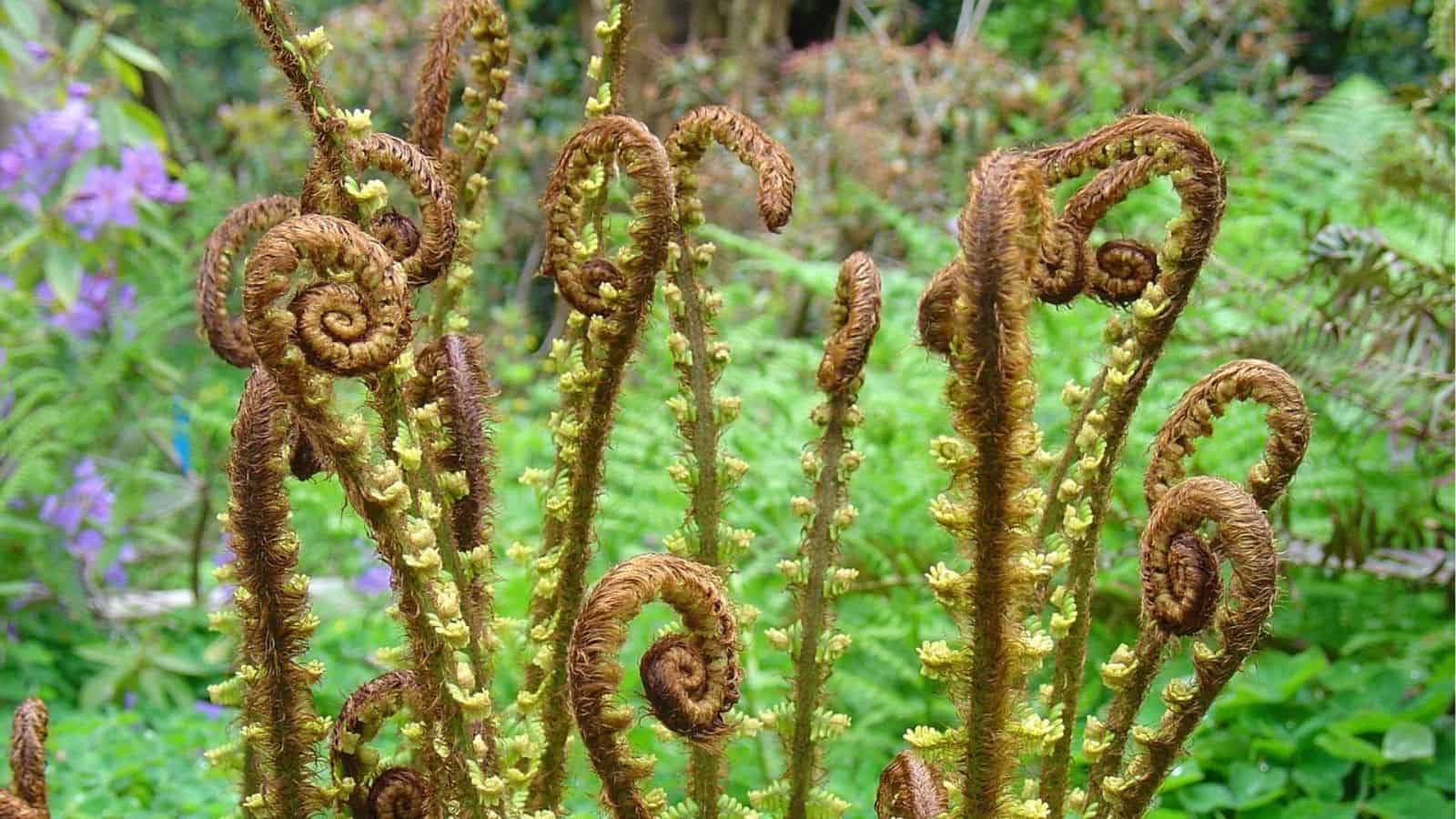
    Curled brown fern fronds unfurl amidst green foliage and other plants in a garden setting.
    Photo Credit: Photoman/Pixabay

    These curled, alien-looking shoots resemble something from a sci-fi movie. But fiddleheads from ostrich ferns are a delicacy in spring, with a taste similar to asparagus. They must be cooked thoroughly to remove any toxins before eating.

    HERB OF THE DAY · Explore today’s herb →

    Cattails

    Close-up of millet seed heads growing on tall green stalks against a clear blue sky.
    Photo Credit: Couleur/Pixabay

    Often mistaken for just a swampy weed, cattails are surprisingly versatile and edible. Their shoots, pollen, and roots can all be harvested and cooked in various ways. They’ve been used as a food source by Indigenous peoples for centuries.

    Purslane

    Close-up of a green plant with oval-shaped leaves growing in dry, rocky soil. Other similar plants are visible in the blurred background.
    Photo Credit: WikimediaImages/Pixabay

    This succulent weed grows low to the ground and can resemble something you'd yank from the sidewalk. But it's packed with omega-3 fatty acids and has a tangy, lemony crunch. Toss it in salads or sauté it like spinach.

    Prickly Pear Cactus

    A cluster of prickly pear cactus pads and fruit against a blue sky.
    Photo Credit: Angeleses/Pixabay

    With its spines and tough skin, the prickly pear doesn’t look inviting. But once peeled, both its pads (nopales) and its fruit (tunas) are edible and delicious. Nopales are often grilled, and the fruit makes sweet jams and juices.

    Wood Sorrel

    Close-up of clover leaves and moss with a small orange mushroom growing in a forest setting, blurred green foliage in the background.
    Photo Credit: adege/Pixabay

    Its clover-like leaves and sharp lemony taste might make you think twice. But wood sorrel is completely edible in small amounts and adds zing to salads or snacks. Just don’t confuse it with actual clover or look-alikes like oxalis with higher oxalate content.

    Daylilies

    A single white lily flower with yellow stamens is shown in close-up against a black background.
    Photo Credit: KIMDAEJEUNG/Pixabay

    Bright, bold, and showy, daylilies can look like they belong in the “do not eat” category. But their buds and petals are edible and mildly sweet, making them great in stir-fries or salads. Just make sure you’ve identified true daylilies—not look-alikes like tiger lilies.

    Lamb's Quarters

    Close-up view of lush green leafy plants with pointed leaves and slight white patches near the stems.
    Photo Credit: olko1975/Deposit Photos

    Often labeled a weed, lamb’s quarters look dusty and unappetizing at first glance. But it’s a close relative of spinach and quinoa and is just as nutritious. Steam or sauté the leaves for a mild, earthy flavor.

    Red Clover Blossoms

    Close-up of several blooming red clover flowers with green leaves and stems in a sunlit field.
    Photo Credit: Couleur/Pixabay

    With their fluffy pink tops, red clover flowers look decorative but inedible. Yet they’ve long been used in teas and can be tossed into baked goods for a subtle sweetness. They're also rich in antioxidants and plant compounds.

    These plants might look intimidating at first glance, but many are surprisingly edible—and even tasty! With proper identification and preparation, they can become hidden gems in your diet.

    More Trending

    • A woman talking on a cell phone.
      15 overlooked spots in your home that need winter attention
    • Person holding a potted plant and a spray bottle stands in a kitchen with green cabinetry and wooden shelves in the background.
      15 indoor gardening habits that pay off year-round
    • An older woman and a young girl sit on a couch smiling at each other while looking at an open book in the girl's lap.
      15 practical skills grandparents learned early that still matter
    • A woman in an apron holds a potted plant in one hand and makes a peace sign with the other, standing against a pink background.
      15 plants that symbolize renewal, rest, and winter wisdom

    About Kristen Wood

    Kristen is a plant lover, gardener, certified functional nutritional expert, cookbook author, writer, and photographer. Her work has been featured in many online and print publications including Willow & Sage Magazine, Forbes, NBC, New York Daily News, Healthline, MSN, Elle, Yoga Journal, and many more. She is also a syndicated writer for The Associated Press.

    Reader Interactions

    Comments

    No Comments

    Leave a Reply Cancel reply

    Your email address will not be published. Required fields are marked *

    Recipe Rating


    Primary Sidebar

    A close up of a woman's face in the sun, radiating with the gentle glow of schisandra and bergamot home.

    About Kristen Wood

    Kristen is a plant lover, gardener, certified functional nutritional expert, cookbook author, writer, and photographer. Her work has been featured in many online and print publications including Willow & Sage Magazine, Forbes, NBC, New York Daily News, Healthline, MSN, Elle, Yoga Journal, and many more. She is also a syndicated writer for The Associated Press.

    Learn more about me →

    Herb of the Day

    Meet today’s featured herb with gentle kitchen ideas, botanical notes, folklore, and a quiet reflection to take with you.

    Explore Today’s Herb

    Follow us!

    Footer

    ↑ back to top

    About

    • Privacy Policy
    • Google Web Stories
    • Accessibility Statement
    • Disclaimer

    Newsletter

    • Sign up for our newsletter to receive our latest posts!

    Contact

    • Contact

    Copyright © 2026 Schisandra & Bergamot
    Disclaimer: As An Amazon Associate I Earn From Qualifying Purchases.

    Herb of the Day

    Discover today’s featured herb with simple kitchen ideas, botanical notes, folklore, and a reflective message.

    Explore
    9 shares