

Long before modern forecasts, people looked to nature for clues about upcoming weather. From animals preparing for shifts to plants reacting to subtle changes, the natural world often offers surprising hints about what’s ahead. These seasonal signs have been passed down through generations as a way to read the sky and land.
While not as precise as meteorology, these time-tested observations still fascinate and sometimes prove accurate. Here are 10 seasonal signs in nature that may help predict changes in the weather.
Birds Flying Low
Jump to a Section
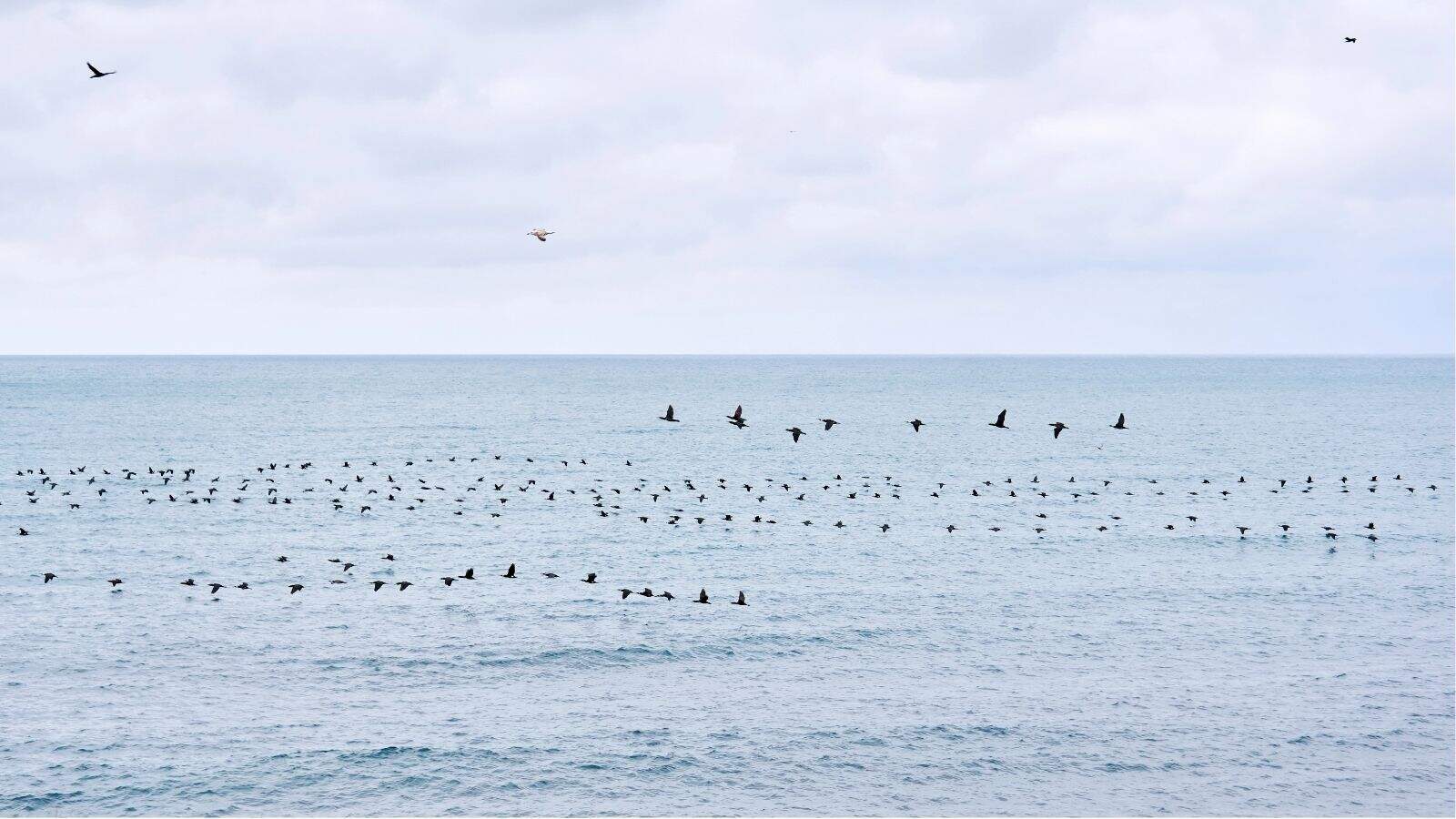
When birds are spotted flying closer to the ground, it often means rain is on the way. This happens because changes in air pressure make it harder for them to fly high. Watching bird flight patterns can be an easy way to guess at incoming storms.
Squirrels Gathering Early

If squirrels start stashing nuts earlier and more aggressively than usual, it may signal a harsh winter ahead. Their instinctive behaviors often line up with upcoming weather conditions. Pay attention to their activity in late summer and fall.
Frogs Singing Loudly

An increase in croaking or singing from frogs can point to wet weather on the horizon. Amphibians respond to shifts in humidity and barometric pressure, making them living weather indicators.
Woolly Bear Caterpillar Stripes

Folklore says that the thickness of the orange band on a woolly bear caterpillar predicts winter severity. A wider band suggests a milder season, while a narrow one hints at a harsher winter. While not scientifically proven, it’s a fun seasonal observation.
Thickening Animal Coats

Many animals, including horses, deer, and even cats, grow thicker coats before cold weather arrives. Early fur growth often suggests an early or colder-than-usual winter. Nature equips them in advance for survival.
Plants Closing Up

Certain flowers, like morning glories and tulips, will close their blooms before rain. This protective mechanism keeps delicate pollen safe from getting washed away. Watching flowers can offer a natural rain alert.
Ants Building Higher Hills

When ants start creating unusually tall or fortified mounds, it can mean heavy rain or storms are coming. Their behavior is linked to preventing water from flooding their colonies.
Early Migration of Birds

If migratory birds start leaving earlier than expected, it often signals a colder season ahead. Birds are finely tuned to environmental cues that humans can easily miss. Their timing can serve as a natural calendar.
Smoke Falling Low

When smoke from a fire hugs the ground instead of rising, it’s a sign of low air pressure. Low pressure usually brings rain, storms, or unsettled weather. Campers and farmers have long relied on this sign.
Red Sky at Sunrise or Sunset

The old saying “Red sky at night, sailor’s delight; red sky in the morning, sailors take warning” comes from real atmospheric science. A red evening sky often suggests stable weather, while a red morning sky can signal storms on the way.
Nature has always had a way of whispering what’s to come. While modern technology makes forecasts easier, these seasonal signs still remind us of the deep connection between weather and the natural world.





Comments
No Comments