
Pollinators are the unsung heroes of a healthy garden, quietly helping fruits, veggies, and flowers thrive. Without them, you may notice lackluster growth, fewer harvests, or even plant stress.
Fruits and Vegetables Aren’t Forming Properly

Jump to a Section
If your squash or cucumbers are flowering but never forming full fruit, poor pollination is likely the issue. Incomplete pollination can lead to misshapen or undersized produce.
Flower Blooms but No Seed Production
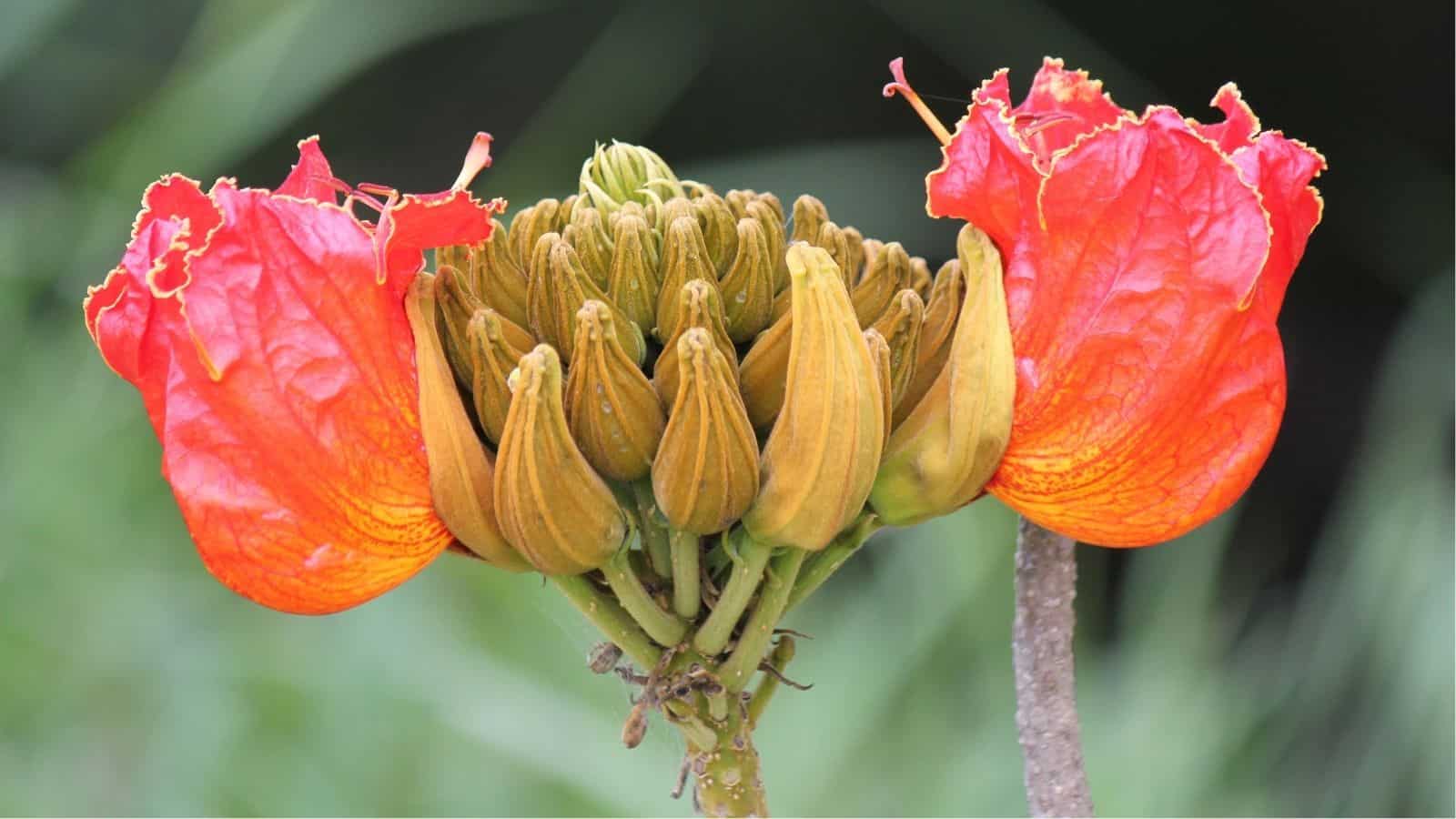
When flowers look great but never go to seed, it’s often a sign that pollinators aren’t doing their job. Many plants rely on insects to complete this critical step in their life cycle.
Low Yields From Previously Reliable Plants

Tomatoes, peppers, and berries that once produced generously may suddenly taper off. This drop can signal a lack of pollinator visits during bloom time.
Fewer Bees or Butterflies in the Garden

If your garden used to hum with activity but now feels quiet, take notice. A decline in visible pollinators usually means your plants are missing their natural helpers.
Shortened or Skipped Bloom Cycles

Some plants may stop blooming early or skip blooming entirely if they aren't being pollinated. The stress of incomplete reproduction can disrupt their normal rhythm.
Poor Fruit Set on Self-Fertile Plants

Even self-pollinating plants like strawberries and tomatoes benefit from a nudge by wind or insects. If they’re struggling, it’s a hint that nature’s support system is out of balance.
You Rely Heavily on Hand Pollination

If you constantly find yourself hand-pollinating with a brush, that’s a red flag. A healthy garden should have enough natural pollinators to take care of most tasks for you.
Lack of Bloom Diversity in the Garden

A garden with only a few types of flowers won’t support a diverse range of pollinators. Without variety, some pollinators won’t find what they need and simply won’t stick around.
You Use Too Many Pesticides

Even if you don’t notice it directly, overuse of pesticides—especially neonicotinoids—can kill off pollinators or drive them away. A dwindling insect population impacts pollination fast.
Your Neighbors Have a Thriving Garden—But You Don’t

If the yard next door is full of bees and butterflies and yours is oddly still, your garden might be missing key features. Native flowers, water sources, or shelter could make all the difference.
Pollinators play a huge role in plant health and productivity. Add native flowers, skip the chemicals, and give bees, butterflies, and beneficial bugs a reason to visit—and stay.


Comments
No Comments