

Some of the best gardening wisdom doesn’t come from books—it’s passed down through generations. Our grandparents and great-grandparents grew gardens that thrived without fancy tools or chemicals, relying instead on patience, observation, and nature’s rhythms.
Their simple, time-tested methods remind us that gardening is as much about care and connection as it is about results. Here are 10 valuable lessons from the gardens of generations past that still bring beauty and balance to today’s backyards.
Feed the Soil, Not Just the Plants

Jump to a Section
Older gardeners knew that healthy soil meant healthy plants. They enriched it with compost, leaves, and kitchen scraps instead of relying on store-bought fertilizers.
Save and Share Seeds

Saving seeds was once a yearly tradition that built stronger, regionally adapted plants. Sharing them with neighbors also helped preserve local varieties and build community.
Rotate Crops to Keep Soil Healthy

By changing where crops grew each season, past gardeners kept their soil fertile and pests under control. It’s a simple way to maintain balance without chemicals.
Use What You Have

Nothing went to waste—old buckets became planters, and broken tools found new purposes. This resourcefulness kept gardens thriving while saving money and materials.
Plant for Pollinators

Generations past understood the value of bees and butterflies long before it became trendy. They filled gardens with blooms that ensured pollinators always had food.
Grow What You Eat

Every garden once had a purpose: to feed the family. Growing practical crops encouraged self-reliance and appreciation for fresh, seasonal food.
Follow the Seasons, Not the Calendar
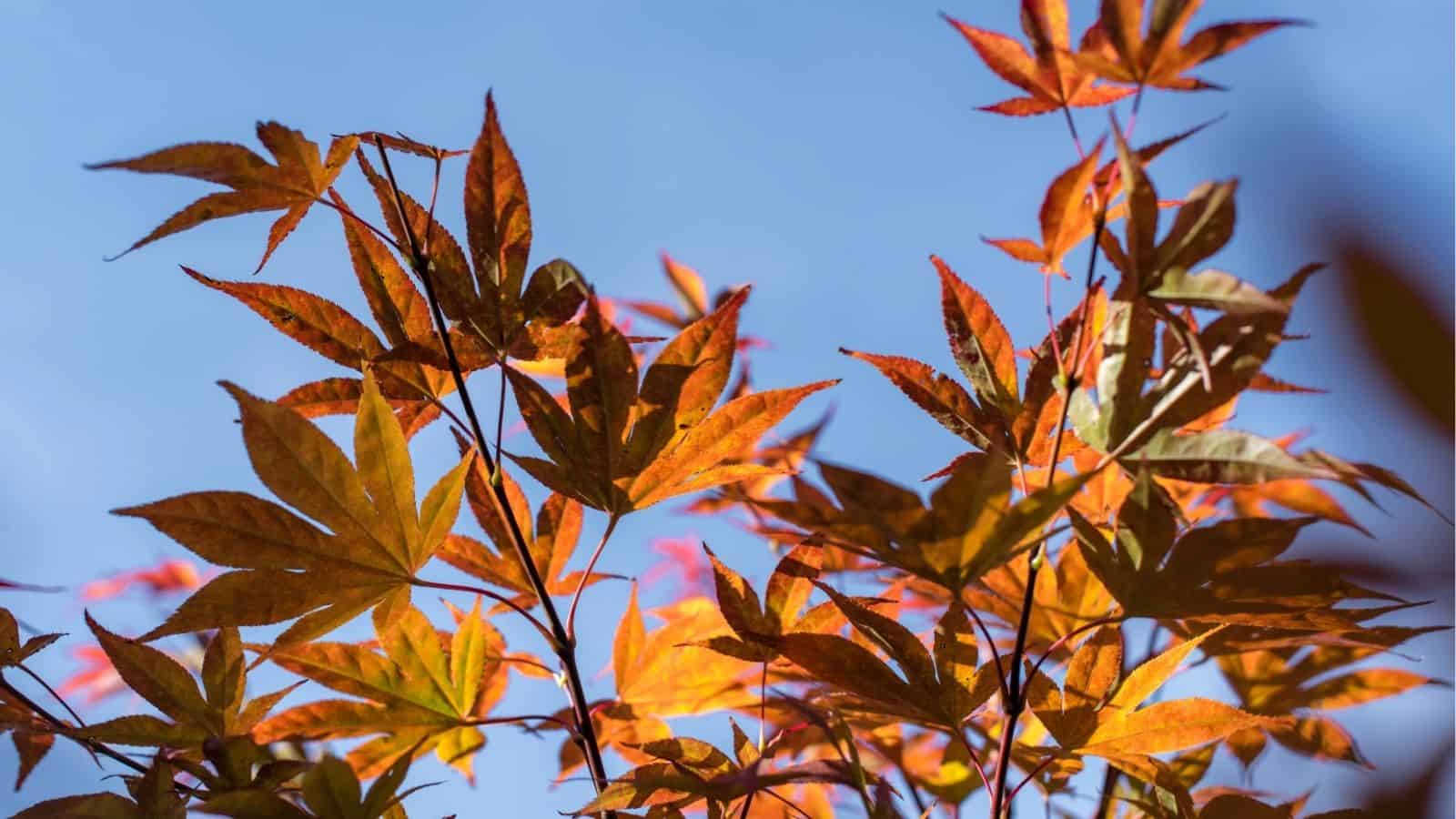
Older gardeners watched the weather and nature’s cues more than dates on a page. They planted and harvested by instinct, not rigid schedules.
Save Rainwater

Before garden hoses were common, rain barrels collected precious water for dry days. It’s a tradition worth reviving for both sustainability and cost savings.
Work With Nature, Not Against It

Rather than fighting weeds and pests endlessly, past generations learned to coexist with nature. Companion planting and crop diversity created natural balance.
Take Time to Enjoy the Garden

Gardens weren’t just for work—they were for rest, reflection, and family. Slowing down to appreciate a sunset or a blooming flower was part of the reward.
The lessons from past generations remind us that gardening doesn’t need to be complicated to be rewarding. With patience, care, and respect for nature, we can create spaces that nourish both plants and people. Sometimes, the simplest methods still yield the most lasting beauty.





Comments
No Comments