

• Skip to main content
  • Skip to primary sidebar

Schisandra & Bergamot logo

menu icon
go to homepage
  • Index
  • Subscribe
  • About
  • Contact
  • Daily Plant
    • Facebook
    • Instagram
    • Pinterest
  • subscribe
    search icon
    Homepage link
    • Index
    • Subscribe
    • About
    • Contact
    • Daily Plant
    • Facebook
    • Instagram
    • Pinterest
  • ×
    Home » Trending

    Published: Sep 23, 2025 by Kristen Wood · This post may contain affiliate links. If you make a purchase through links on our site, we may earn a commission. ·

    10 Simple Steps to Turn Your Yard Into a Nature Haven

    11 shares
    • Facebook
    • Reddit

    Transforming your backyard into a thriving nature haven doesn’t require a huge budget or professional landscaping. With just a few thoughtful changes, you can create a space that welcomes birds, pollinators, and other wildlife. Not only will your yard look more vibrant, but it will also support the environment around you.

    The beauty of this approach is that every step benefits both you and nature. A yard full of life is more relaxing, more beautiful, and far more rewarding than plain grass alone.

    Plant Native Species

    A gardener wearing green overalls and gloves tends to a large evergreen tree and flowering plants in an outdoor garden.
    Photo Credit: duallogic/Envato

    Native plants are perfectly adapted to your local climate and provide food and shelter for wildlife. They require less water and maintenance compared to non-native species. By planting them, you’ll attract more birds, butterflies, and beneficial insects.

    Add a Birdbath

    Two sparrows perch on the edge of a decorative birdbath in a grassy garden setting.
    Photo Credit: wirestock/Envato

    Birdbaths are simple features that bring instant life to your yard. Birds need clean water for drinking and bathing, especially during hot or dry weather. Keep it shallow and refresh the water regularly to keep them coming back.

    HERB OF THE DAY · Explore today’s herb →

    Create Pollinator Zones

    A garden with a variety of blooming flowers, including yellow, purple, and pink blossoms, surrounded by green foliage.
    Photo Credit: JulieAlexK/Envato

    Designate an area filled with nectar-rich flowers for bees, butterflies, and hummingbirds. Even a small corner with wildflowers can make a huge difference. Pollinator zones also add bursts of seasonal color to your landscape.

    Provide Shelter

    A pile of dry branches and two wooden pallets are stacked on sandy ground in a grassy outdoor area with trees in the background.
    Photo Credit: ja-aljona/Envato

    Wildlife needs safe spaces to rest and nest. Shrubs, brush piles, and even birdhouses can serve as natural shelters. These additions encourage creatures to make your yard a regular stop.

    Install a Small Pond

    A small backyard pond with clear water, water lilies, and fish, surrounded by stone edging and a small waterfall feature.
    Photo Credit: alexeys/Deposit Photos

    A pond attracts frogs, dragonflies, and other beneficial creatures. Even a small container pond can make your yard more diverse and lively. Add aquatic plants to provide cover and natural filtration.

    Reduce Lawn Area

    A well-maintained front yard features a lush green lawn, circular flower beds with colorful blooms, and a porch with potted plants in front of a house.
    Photo Credit: fotomine/Deposit Photos

    Lawns may look neat, but they offer little value to wildlife. Replacing sections with wildflowers, shrubs, or ground covers creates more habitat. It also saves time and money on mowing and watering.

    Grow Fruit-Bearing Plants

    Green shrub with clusters of round, yellow and orange fruits among glossy green leaves. Some of the fruits are ripening, with color ranging from green to bright orange.
    Photo Credit: Nadtochii/Envato

    Fruit trees and berry bushes provide seasonal snacks for birds and small mammals. Options like blueberries, raspberries, and crabapples are both attractive and useful. They’ll reward you with harvests while nourishing wildlife.

    Leave Some Leaf Litter

    A pile of fallen autumn leaves on green grass in an outdoor setting.
    Photo Credit: varyapigu/Envato

    Fallen leaves provide habitat for insects, which in turn feed birds and other creatures. They also enrich the soil as they break down naturally. By skipping some raking, you’ll boost biodiversity and cut down on yard work.

    Go Pesticide-Free

    A hand sprays water onto green plants growing in soil using a white and red spray bottle.
    Photo Credit: AlenaIvochkina/Envato

    Pesticides harm not only pests but also beneficial insects and pollinators. Switching to natural alternatives keeps your yard safer and healthier. A chemical-free environment encourages more life to flourish.

    Add Nesting Boxes
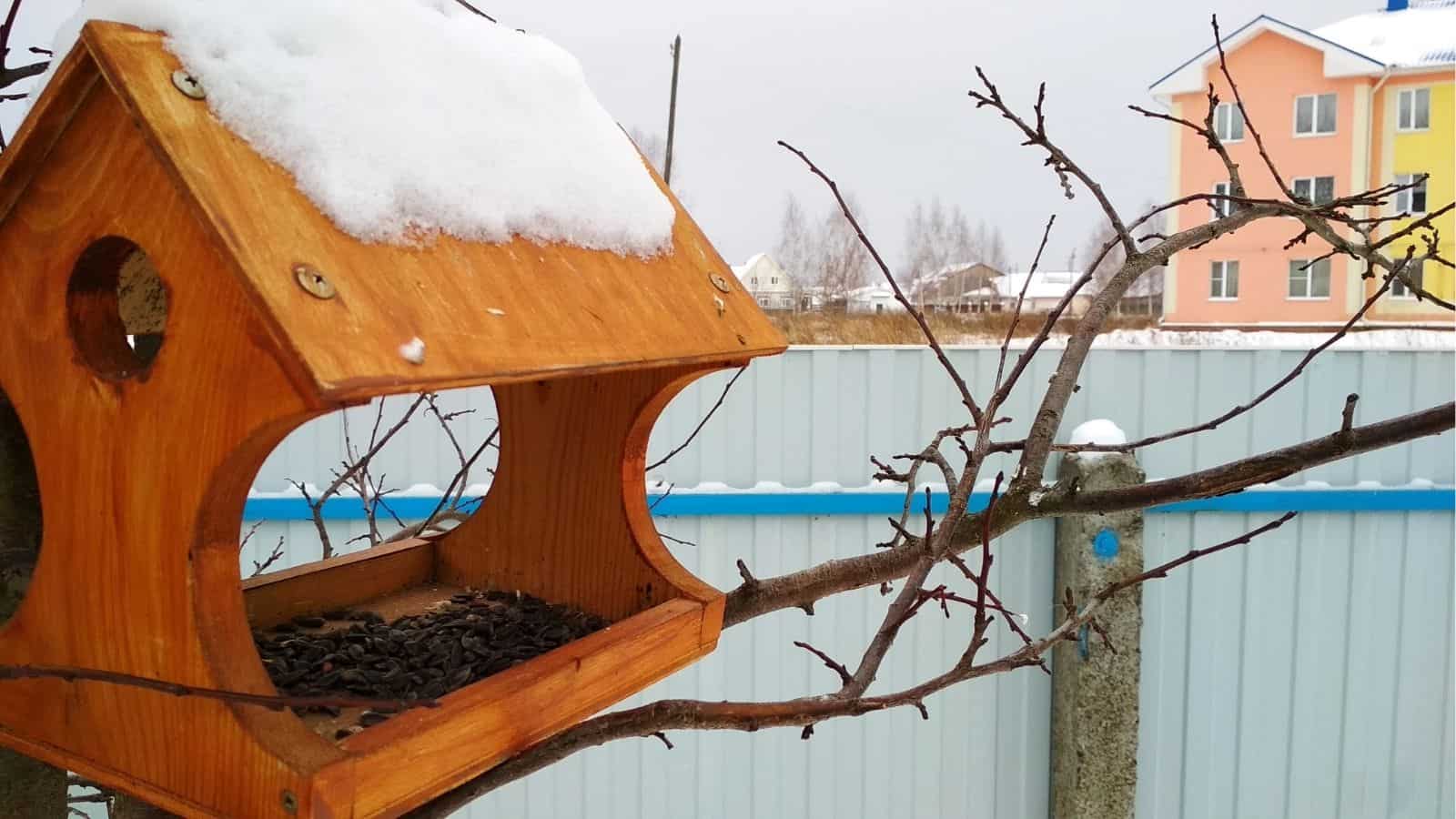
    A wooden bird feeder with sunflower seeds sits on a snow-covered branch, with a fence and colorful buildings visible in the background.
    Photo Credit: [email protected]/Deposit Photos

    Nesting boxes give birds and small animals safe places to raise their young. Different box designs can attract species like bluebirds, wrens, or owls. Placing a few in your yard helps support local wildlife populations.

    With just a few easy steps, your yard can become a sanctuary for wildlife and a peaceful retreat for you. These changes create beauty, support nature, and make your outdoor space more rewarding than ever.


    More Trending

    • A woman talking on a cell phone.
      15 overlooked spots in your home that need winter attention
    • Person holding a potted plant and a spray bottle stands in a kitchen with green cabinetry and wooden shelves in the background.
      15 indoor gardening habits that pay off year-round
    • An older woman and a young girl sit on a couch smiling at each other while looking at an open book in the girl's lap.
      15 practical skills grandparents learned early that still matter
    • A woman in an apron holds a potted plant in one hand and makes a peace sign with the other, standing against a pink background.
      15 plants that symbolize renewal, rest, and winter wisdom

    About Kristen Wood

    Kristen is a plant lover, gardener, certified functional nutritional expert, cookbook author, writer, and photographer. Her work has been featured in many online and print publications including Willow & Sage Magazine, Forbes, NBC, New York Daily News, Healthline, MSN, Elle, Yoga Journal, and many more. She is also a syndicated writer for The Associated Press.

    Reader Interactions

    Comments

    No Comments

    Leave a Reply Cancel reply

    Your email address will not be published. Required fields are marked *

    Recipe Rating


    Primary Sidebar

    A close up of a woman's face in the sun, radiating with the gentle glow of schisandra and bergamot home.

    About Kristen Wood

    Kristen is a plant lover, gardener, certified functional nutritional expert, cookbook author, writer, and photographer. Her work has been featured in many online and print publications including Willow & Sage Magazine, Forbes, NBC, New York Daily News, Healthline, MSN, Elle, Yoga Journal, and many more. She is also a syndicated writer for The Associated Press.

    Learn more about me →

    Herb of the Day

    Meet today’s featured herb with gentle kitchen ideas, botanical notes, folklore, and a quiet reflection to take with you.

    Explore Today’s Herb

    Follow us!

    Footer

    ↑ back to top

    About

    • Privacy Policy
    • Google Web Stories
    • Accessibility Statement
    • Disclaimer

    Newsletter

    • Sign up for our newsletter to receive our latest posts!

    Contact

    • Contact

    Copyright © 2026 Schisandra & Bergamot
    Disclaimer: As An Amazon Associate I Earn From Qualifying Purchases.

    Herb of the Day

    Discover today’s featured herb with simple kitchen ideas, botanical notes, folklore, and a reflective message.

    Explore
    11 shares