

Summer heatwaves can take a toll on even the most resilient gardens. If your plants are looking stressed or scorched, it might be time to adjust your approach. A few smart changes can make a big difference in helping your garden stay green through the hottest months.
From watering tips to shade solutions, these simple tricks are easy to implement and can help your plants not just survive—but thrive—in extreme heat.
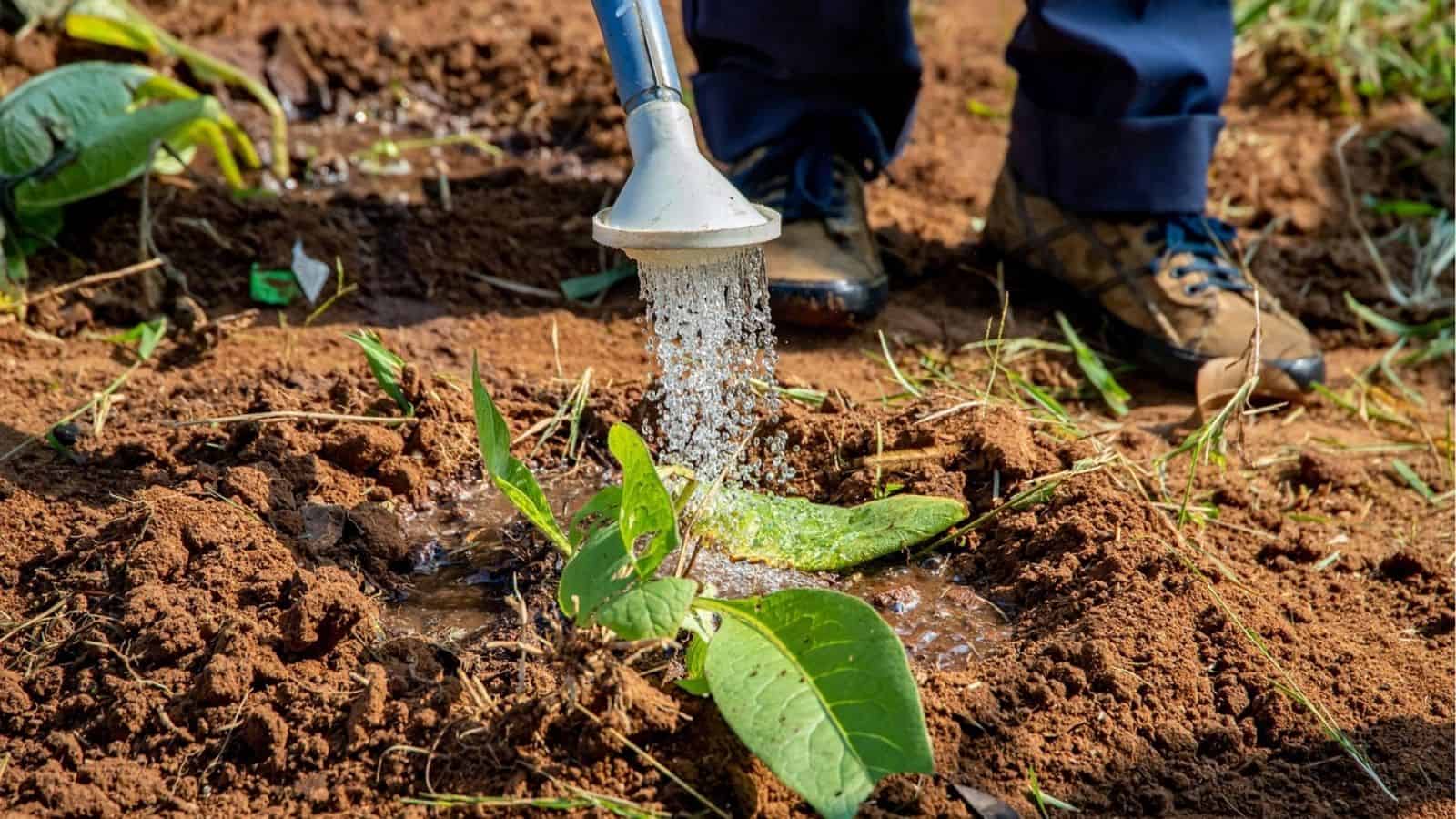
Water Early in the Morning
Jump to a Section
Watering before the sun is up gives plants time to absorb moisture before it evaporates. It also helps prevent fungal issues that can arise when leaves stay wet overnight. Stick to deep, infrequent watering for better root growth.
Use Mulch Generously

A thick layer of mulch around your plants helps retain soil moisture and regulates temperature. It also keeps weeds at bay, which compete with your plants for water. Straw, shredded leaves, or bark chips all work well.
Group Thirsty Plants Together

Keep moisture-loving plants close together so you can water them more efficiently. This helps ensure they get the attention they need and makes irrigation easier during extreme heat.
Provide Temporary Shade

During heatwaves, even sun-loving plants can suffer. Use shade cloth, an old sheet, or a patio umbrella to give your plants a break from intense afternoon sun. It can dramatically reduce heat stress.
Choose Heat-Tolerant Varieties

Some plants simply handle heat better than others. Look for varieties labeled drought- or heat-tolerant when planting in hot climates. Think zinnias, okra, eggplant, rosemary, and succulents.
Don’t Fertilize During a Heatwave

Fertilizer encourages new growth, which can be too fragile to handle extreme temperatures. Pause feeding during the hottest weeks and resume once temperatures stabilize.
Install Drip Irrigation or Soaker Hoses

These systems deliver water directly to the roots where it’s needed most, reducing evaporation and waste. They're especially useful for maintaining moisture during long dry spells.
Keep Grass and Weeds Trimmed

While it’s good to leave some areas wild for pollinators, overgrown grass and weeds can compete with your garden for water and nutrients. Keep them in check so your plants get what they need.
Add Organic Matter to the Soil

Soils rich in compost and organic matter retain moisture better and keep roots cooler. Over time, this improves your garden’s resilience and reduces how often you need to water.
Gardening in the heat doesn’t have to mean constant wilting and dried-out soil. With a few thoughtful habits and smart tweaks, your garden can stay lush all summer long. Try a couple of these ideas this week and watch your plants bounce back with renewed energy.





Comments
No Comments