

Healthy soil is the secret to every thriving garden. Whether you’re growing vegetables, flowers, or herbs, strong soil sets the stage for lush growth and fewer problems down the road. Fall and winter are the perfect times to nourish it so your garden wakes up ready to flourish by spring.
With just a few simple habits, you can restore nutrients, boost microbial life, and protect your soil through the colder months. These easy, low-cost methods will help you build a foundation your plants will thank you for when the growing season returns.
Add Compost

Jump to a Section
Compost is one of the best things you can do for your soil. It adds nutrients, improves texture, and encourages healthy microorganisms. Spread a thick layer over your garden beds in the fall so it can break down naturally over winter.
Plant Cover Crops

Cover crops like clover, rye, or vetch prevent erosion and enrich the soil with organic matter. As they grow, they add nitrogen and keep the soil structure intact. Come spring, you can simply turn them under to boost fertility.
Mulch Garden Beds

A layer of mulch protects your soil from harsh winter weather. It helps retain moisture, reduce erosion, and keep beneficial microbes active longer. By spring, you’ll have softer, more workable soil that’s ready for planting.
Test Your Soil

Before adding anything new, it’s smart to know what your soil needs. A simple soil test can tell you if it’s too acidic, lacking nutrients, or needs organic matter. That way, you can make targeted improvements instead of guessing.
Add Organic Matter

Beyond compost, materials like shredded leaves, grass clippings, and aged manure add richness to your soil. They break down slowly, feeding earthworms and microorganisms. This process creates nutrient-dense soil over time.
Avoid Over-Tilling

Tilling too often can destroy your soil’s structure and beneficial organisms. Try gentle aeration instead of deep turning. Letting roots and organic matter decompose naturally helps the soil rebuild itself.
Use Mulched Leaves

Instead of bagging up fallen leaves, shred them and spread them over your beds. They act as a natural blanket that protects soil and adds nutrients as they decompose. It’s one of the easiest and most eco-friendly ways to enrich your garden.
Start a Worm Bin

Worms are your garden’s best friends when it comes to soil health. Their castings are rich in nutrients and improve aeration. Keeping a small worm bin through the fall and winter provides ready-made fertilizer by spring.
Water Before the Ground Freezes

Dry soil can get compacted and hard during winter. Giving your beds a deep soak before the ground freezes helps retain structure and keeps microbes alive longer. Just one thorough watering can make a big difference.
Avoid Walking on Wet Soil
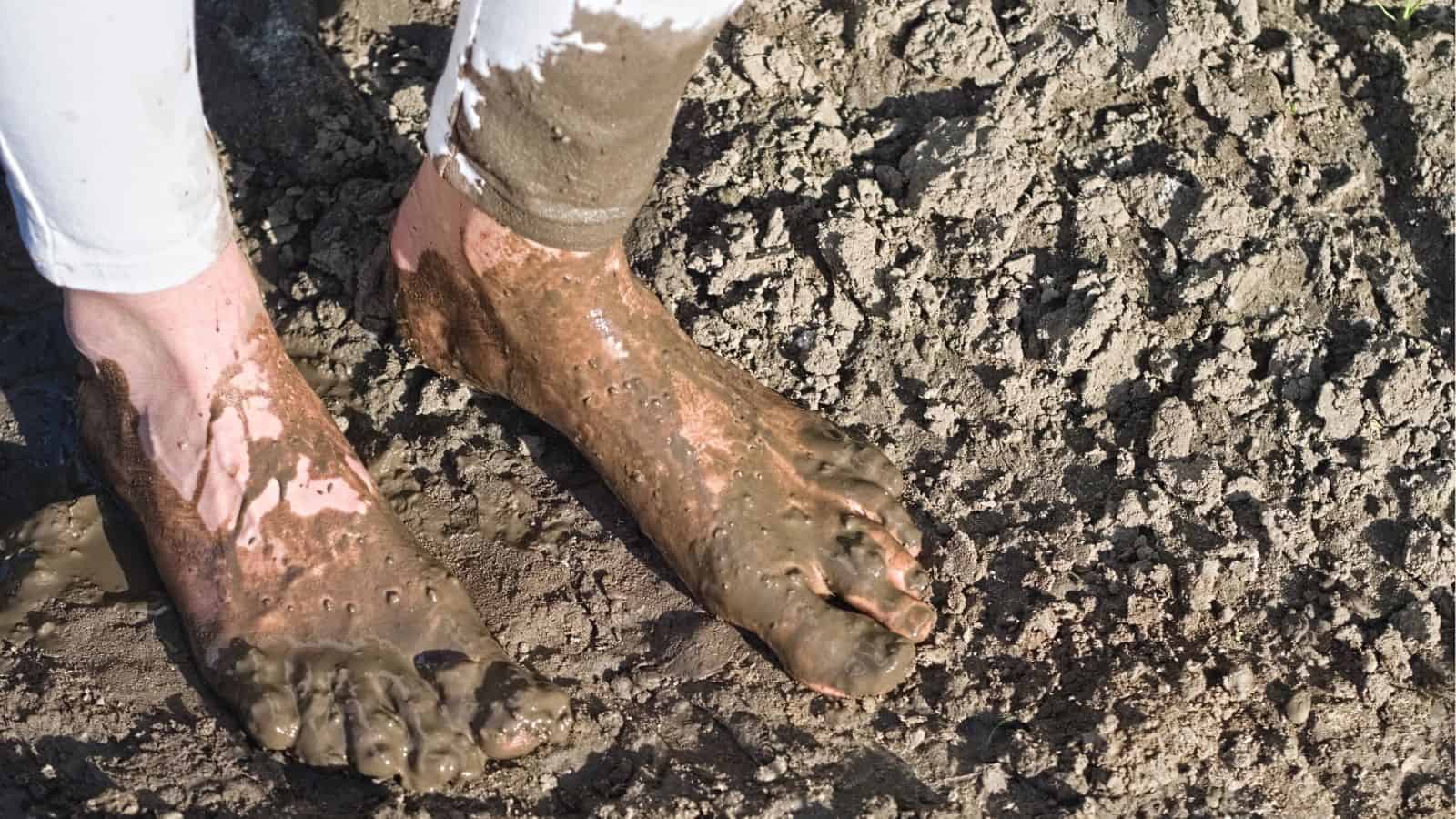
Compacted soil can suffocate roots and limit growth. Try to stay off garden beds when they’re damp or muddy to protect the structure. A few well-placed stepping stones can help you move around without causing damage.
Add Natural Fertilizers

Organic fertilizers like bone meal, kelp meal, and fish emulsion provide slow-release nutrients. Adding them in fall gives time for the soil to absorb them before spring. It’s a gentle way to nourish without overwhelming the ecosystem.
Encourage Microbial Life

Microbes are the unseen workers that keep your soil alive. Avoid chemical treatments and add compost tea or organic matter to support them. The more microbial activity, the healthier your soil becomes.
Let Nature Do the Work

Sometimes, the best thing you can do is leave the soil alone. Fallen leaves, plant roots, and natural decay all contribute to soil health. Letting the ecosystem rest and rebuild ensures a stronger, more fertile foundation for spring.
Improving your soil doesn’t have to be complicated—just consistent. These small, simple actions done each fall can make a huge difference when planting season arrives. With a little care now, you’ll enjoy richer, healthier soil and a more vibrant garden come spring.




Comments
No Comments