

• Skip to main content
  • Skip to primary sidebar

Schisandra & Bergamot logo

menu icon
go to homepage
  • Index
  • Subscribe
  • About
  • Contact
  • Daily Herb
    • Facebook
    • Instagram
    • Pinterest
  • subscribe
    search icon
    Homepage link
    • Index
    • Subscribe
    • About
    • Contact
    • Daily Herb
    • Facebook
    • Instagram
    • Pinterest
  • ×
    Home » Trending

    Published: Nov 25, 2025 by Kristen Wood · This post may contain affiliate links. If you make a purchase through links on our site, we may earn a commission. ·

    15 small ways to support wildlife through the colder months

    15 shares
    • Facebook
    • Reddit

    Winter can be a challenging season for wildlife, but small, thoughtful actions can make a meaningful difference. From providing safe shelter to making sure natural food sources stay accessible, every gesture counts. Supporting local birds, pollinators, and small mammals is a simple way to give back to the ecosystem around you.

    This guide shares easy, accessible ways to help animals thrive even when temperatures drop. With just a few adjustments to your yard or routine, you can make winter a little easier for the creatures who depend on the environment we all share.

    Keep Bird Feeders Full

    Three small birds perch on a cylindrical bird feeder with seeds, while a fourth bird clings to a mesh sock feeder against a blurred brown background.
    Photo Credit: bandd/Deposit Photos

    Winter reduces natural food sources, so maintaining full feeders helps birds conserve energy. Choose high-fat options like suet, black oil sunflower seeds, and peanuts to keep them fueled. Consistency is key, as birds learn to rely on regular feeding spots during harsh weather.

    Provide Unfrozen Water Sources

    A bamboo pipe pours water into a stone basin surrounded by moss and green plants in a natural outdoor setting.
    Photo Credit: leungchopan/Envato

    Water is often harder to find than food when temperatures drop. A heated birdbath or a bowl changed frequently can be a lifesaver. Even small amounts of accessible water help birds and small animals stay hydrated during freezing spells.

    Leave Leaf Piles Undisturbed
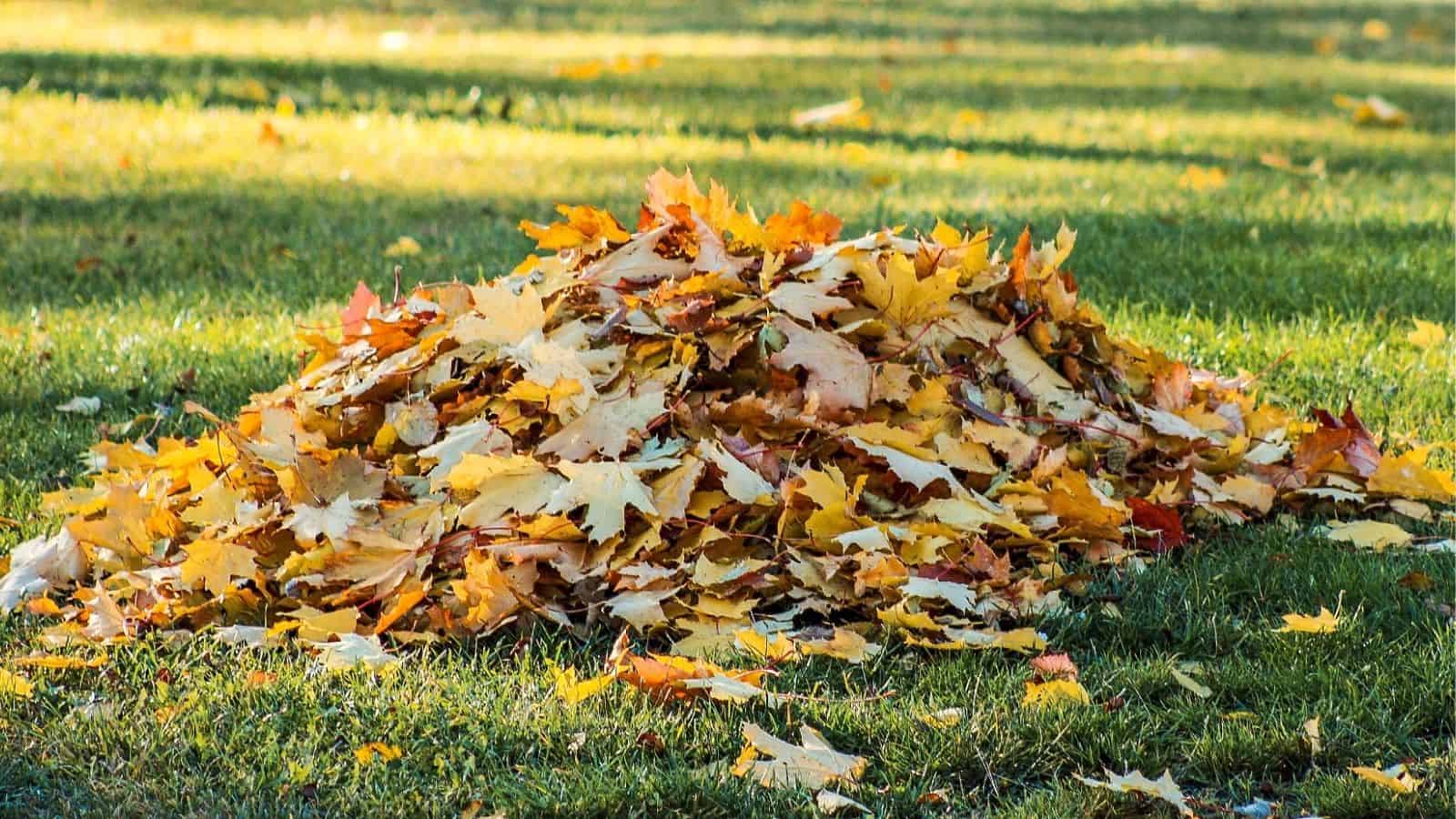
    A pile of yellow and brown autumn leaves sits on green grass in a sunlit outdoor area.
    Photo Credit: lena_tol/Envato

    Many insects and small wildlife overwinter in leaf piles. By leaving them intact, you create a natural shelter that protects important pollinators and soil-boosting organisms. It’s a simple step that benefits the entire ecosystem come spring.

    Add Native Winter Plants

    A garden bed with various green plants and purple flowers bordered by rocks, with sunlight casting shadows on the grass in the foreground.
    Photo Credit: YuriArcursPeopleimages/Envato

    Native shrubs and evergreens provide essential berries, seeds, and cover. They offer natural nourishment without the need for constant human intervention. Plus, they enhance your yard with year-round structure and texture.

    Create a Brush Pile Shelter

    Logs and branches are stacked in cone-shaped piles on a grassy forest floor surrounded by tall trees under a clear blue sky.
    Photo Credit: njproductions/Deposit Photos

    Gather twigs, branches, and garden trimmings into a loose pile to make a cozy hideaway. Small mammals, birds, and even beneficial insects will use it for protection from predators and the cold. It’s an easy alternative to removing yard waste.

    Put Out Suet Cakes
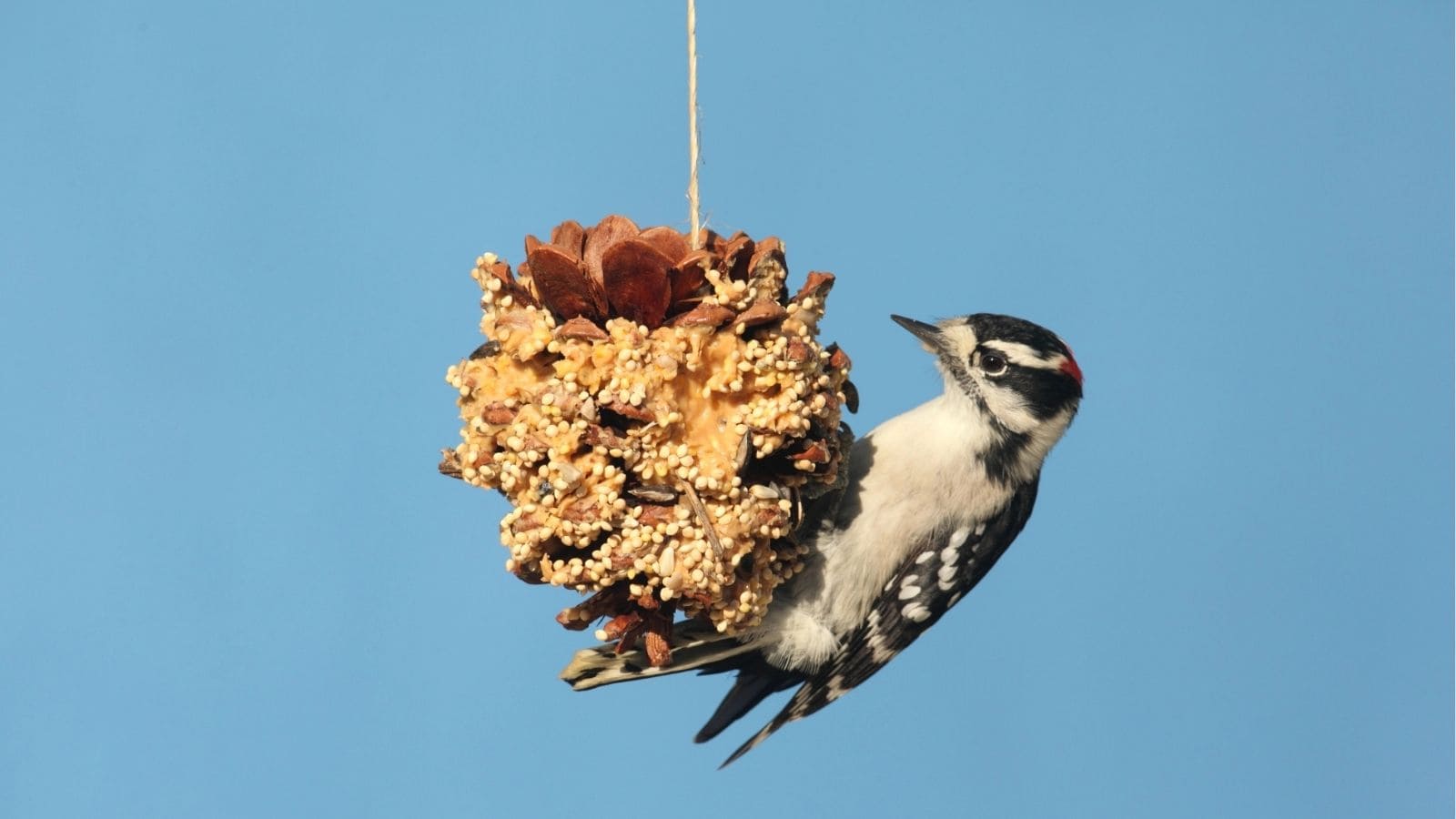
    A woodpecker clings to a pine cone coated with seeds and hung by a string against a clear blue sky.
    Photo Credit: steve_byland/Deposit Photos

    Suet is packed with calories that help birds maintain body heat in frigid weather. Offer plain or seed-filled varieties in a secure suet cage. Birds like woodpeckers, nuthatches, and chickadees benefit greatly from this boost.

    Fill Hollow Logs or Small Boxes with Straw

    A rectangular box filled with shredded paper packing material against a black background.
    Photo Credit: Marinka/Deposit Photos

    Simple shelters help critters escape wind and freezing temperatures. Place them in quiet corners of your yard where animals feel safe. Straw is especially good for insulation and dryness.

    Avoid Using Salt on Walkways

    A weathered wooden boardwalk stretches across a barren, dry landscape with sparse water on one side and distant buildings on the horizon.
    Photo Credit: Wolfness72/Deposit Photos

    Rock salt can harm birds and wildlife that ingest it accidentally. It also affects paws, hooves, and surrounding vegetation. Opt for sand or pet-safe alternatives to keep paths walkable.

    Leave Seed-Bearing Plants Standing

    A vast field of blooming sunflowers under a partly cloudy sky with trees in the background.
    Photo Credit: Designecologist/Pexels

    Resist the urge to clear your garden at season’s end. Plants like coneflower, sunflower, and ornamental grasses provide seeds and natural cover throughout winter. This gives birds easy access to food when it's scarce.

    Install a Roosting Box
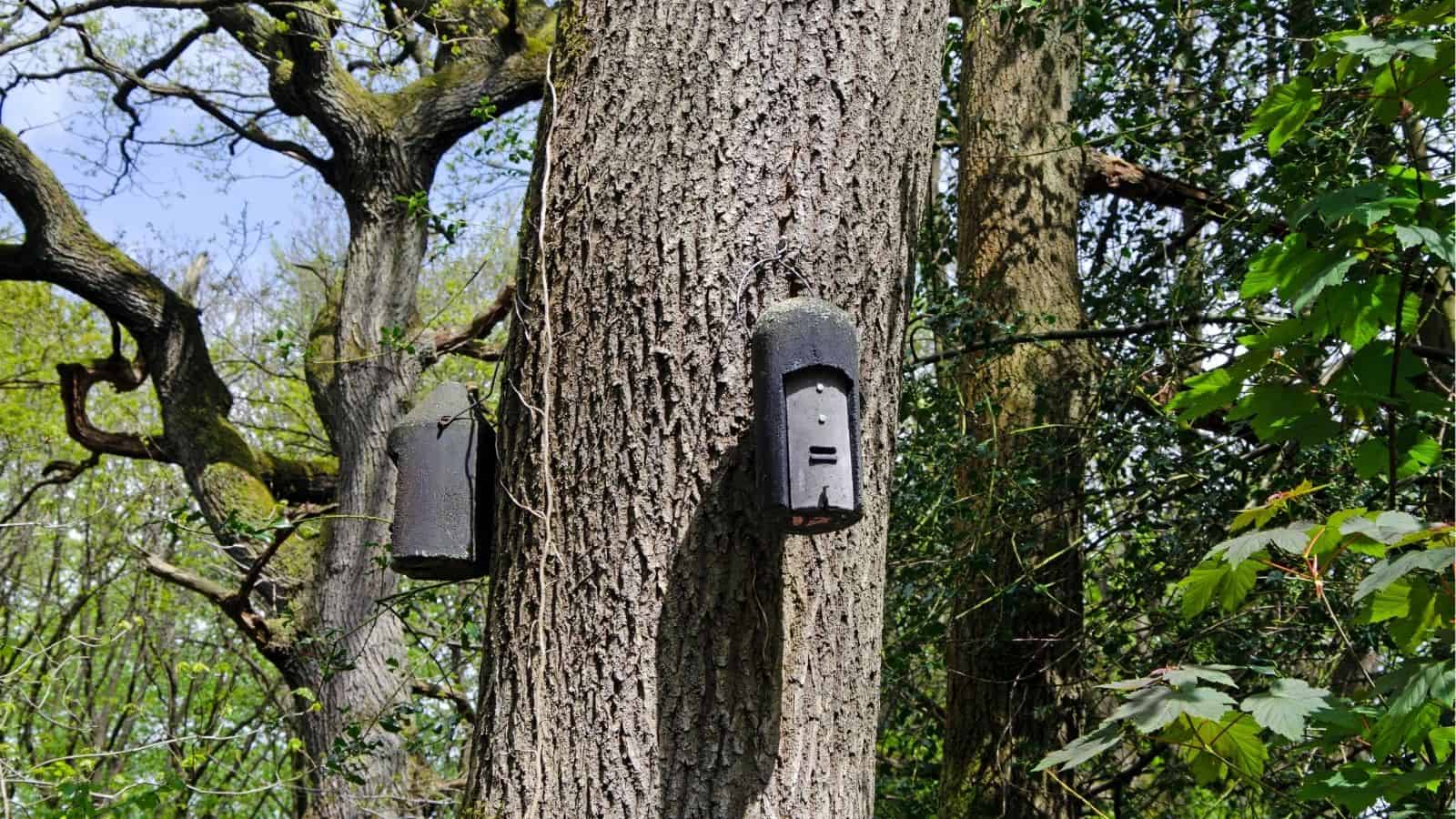
    Two black bat boxes are attached to the trunks of trees in a wooded area with green foliage and branches visible in the background.
    Photo Credit: BryonyvdMerwe/Deposit Photos

    Unlike nesting boxes, roosting boxes are specifically designed to help birds stay warm in groups. They offer shelter from wind and predators during long winter nights. Mount them in a sheltered, south-facing location for best results.

    Offer Cracked Corn or Mealworms

    A close-up of a white sack filled with dried corn kernels, surrounded by other sacks containing grains or pulses.
    Photo Credit: Kuzeytac/Deposit Photos

    These protein-rich foods help sustain birds and mammals needing extra calories. Scatter small amounts on the ground or place them in low feeders for easy access. Mealworms, dried or live, are especially valuable for insect-eating birds.

    Protect Existing Habitats

    A landscaped garden with neatly trimmed green shrubs, yellow bushes, and small plants, with a lawn and more greenery in the background.
    Photo Credit: duallogic/Envato

    Avoid heavy pruning or clearing during winter months. Many animals rely on dense shrubs, tangled vines, and natural debris as winter homes. Preserving these areas supports biodiversity in your own backyard.

    Keep Outdoor Cats Indoors

    Three cats sit inside a pet carrier with the door open, looking out in different directions in a room with yellow walls.
    Photo Credit: Leove/Deposit Photos

    Cats pose one of the biggest threats to birds and small wildlife. Keeping them inside during winter protects vulnerable species already facing food and shelter struggles. It also keeps your cat safe from harsh weather conditions.

    Leave Out Small Fruit Scraps

    Assorted fruit peels and scraps, including papaya, apple, kiwi, mango, orange, and melon, on a wooden surface.
    Photo Credit: Christin_Lola/Deposit Photos

    Offer bits of apple, orange, or berries outside for wildlife that depends on fruit. Place them in shallow dishes to keep them dry and accessible. This small act can help animals who struggle when natural sources disappear.

    Avoid Using Chemicals on Snow or Ice

    A person wearing green gloves holds a pile of small pink fertilizer pellets in their cupped hands.
    Photo Credit: RossHelen/Envato

    Deicers and harsh chemicals can contaminate water sources and harm sensitive wildlife. Choosing natural alternatives or non-toxic options keeps your yard safer for all creatures. Even better, reducing chemical use supports long-term soil and plant health.

    Supporting wildlife during winter doesn’t require major changes—just small, thoughtful actions that add up in a big way. With a few simple adjustments, you can help ensure the animals around you stay safe and nourished.

    More Trending

    • A woman in winter clothing sits cross-legged on a sofa, holding a yellow apple in one hand and a white mug in the other, and smiling at the camera.
      15 simple slow-living ideas to help you ease into the colder months
    • A gazelle stands in tall, dry grass with several other gazelles in the background.
      15 small outdoor habits that support wildlife all winter
    • Woman standing in a modern kitchen, smiling and pointing at a wall-mounted touchscreen control panel with various smart home icons displayed.
      15 easy ways to keep energy costs down this season
    • A man in work overalls stands in a kitchen, scratching his head in confusion while looking at pipes and tools on the counter.
      15 winter home maintenance tasks you’ll be glad you handled early

    About Kristen Wood

    Kristen is a plant lover, gardener, certified functional nutritional expert, cookbook author, writer, and photographer. Her work has been featured in many online and print publications including Willow & Sage Magazine, Forbes, NBC, New York Daily News, Healthline, MSN, Elle, Yoga Journal, and many more. She is also a syndicated writer for The Associated Press.

    Reader Interactions

    Comments

    No Comments

    Leave a Reply Cancel reply

    Your email address will not be published. Required fields are marked *

    Recipe Rating


    Primary Sidebar

    A close up of a woman's face in the sun, radiating with the gentle glow of schisandra and bergamot home.

    About Kristen Wood

    Kristen is a plant lover, gardener, certified functional nutritional expert, cookbook author, writer, and photographer. Her work has been featured in many online and print publications including Willow & Sage Magazine, Forbes, NBC, New York Daily News, Healthline, MSN, Elle, Yoga Journal, and many more. She is also a syndicated writer for The Associated Press.

    Learn more about me →

    Herb of the Day

    Meet today’s featured herb with gentle kitchen ideas, botanical notes, folklore, and a quiet reflection to take with you.

    Explore Today’s Herb

    Follow us!

    Footer

    ↑ back to top

    About

    • Privacy Policy
    • Google Web Stories
    • Accessibility Statement
    • Disclaimer

    Newsletter

    • Sign up for our newsletter to receive our latest posts!

    Contact

    • Contact

    Copyright © 2025 Schisandra & Bergamot
    Disclaimer: As An Amazon Associate I Earn From Qualifying Purchases.

    Herb of the Day

    Discover today’s featured herb with simple kitchen ideas, botanical notes, folklore, and a reflective message.

    Explore
    15 shares