

When fall arrives, it’s tempting to rake up all the leaves and toss them away—but those piles of color are actually a gardener’s goldmine. Leaves add nutrients, protect roots, and support wildlife through the colder months.
With a little creativity, you can turn what many see as “yard waste” into one of your garden’s greatest assets. Here are 12 smart ways to reuse fall leaves in your garden.
Make Leaf Mold

Jump to a Section
Pile up damp leaves in a shaded corner and let them decompose slowly over the winter. By spring, you’ll have a rich, crumbly material that improves soil texture. It’s one of the easiest and most natural soil conditioners.
Use as Garden Mulch
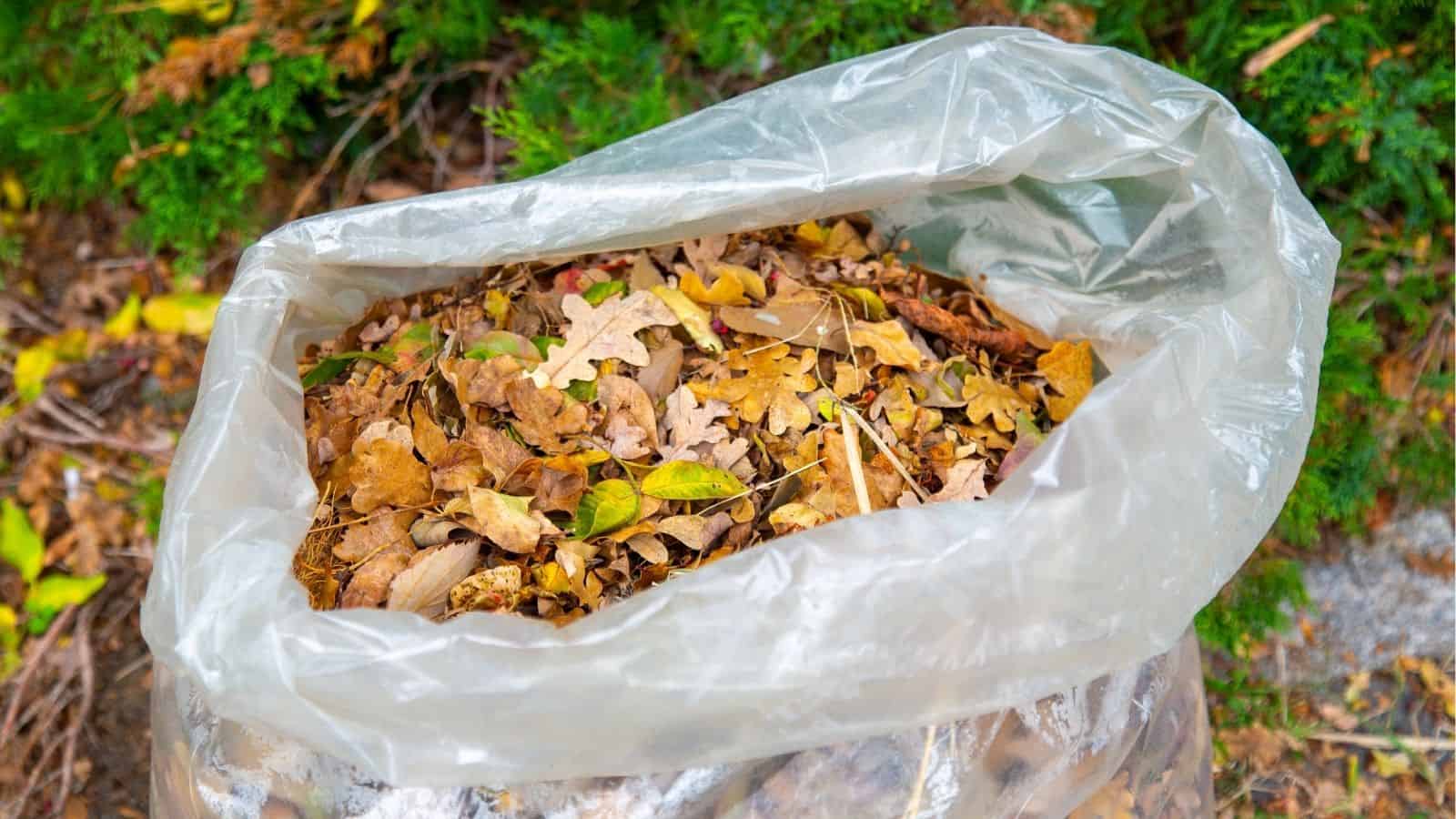
Shredded leaves make a free, effective mulch that retains moisture and suppresses weeds. Spread a few inches around trees, shrubs, and perennials. As they break down, they’ll feed the soil too.
Add to Compost

Leaves balance out the “greens” in your compost pile by providing much-needed carbon. Mix them with kitchen scraps and grass clippings for the perfect compost blend. They’ll help everything decompose more evenly.
Protect Tender Plants
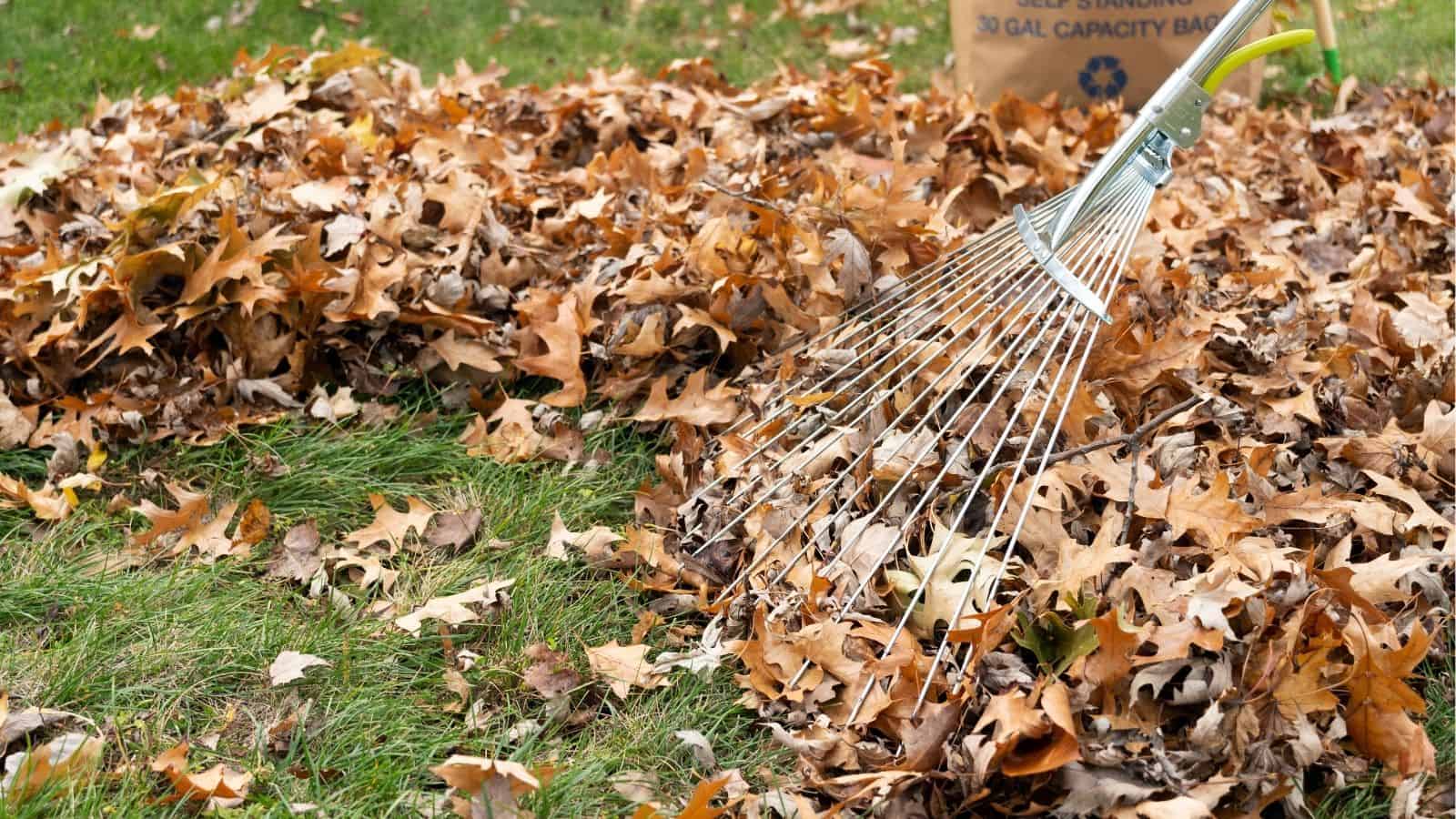
A thick layer of dry leaves can act as a cozy winter blanket for tender perennials and bulbs. Pile them gently around the base of plants to insulate against cold and frost. It’s nature’s version of a quilt.
Create a Leaf Pile for Wildlife
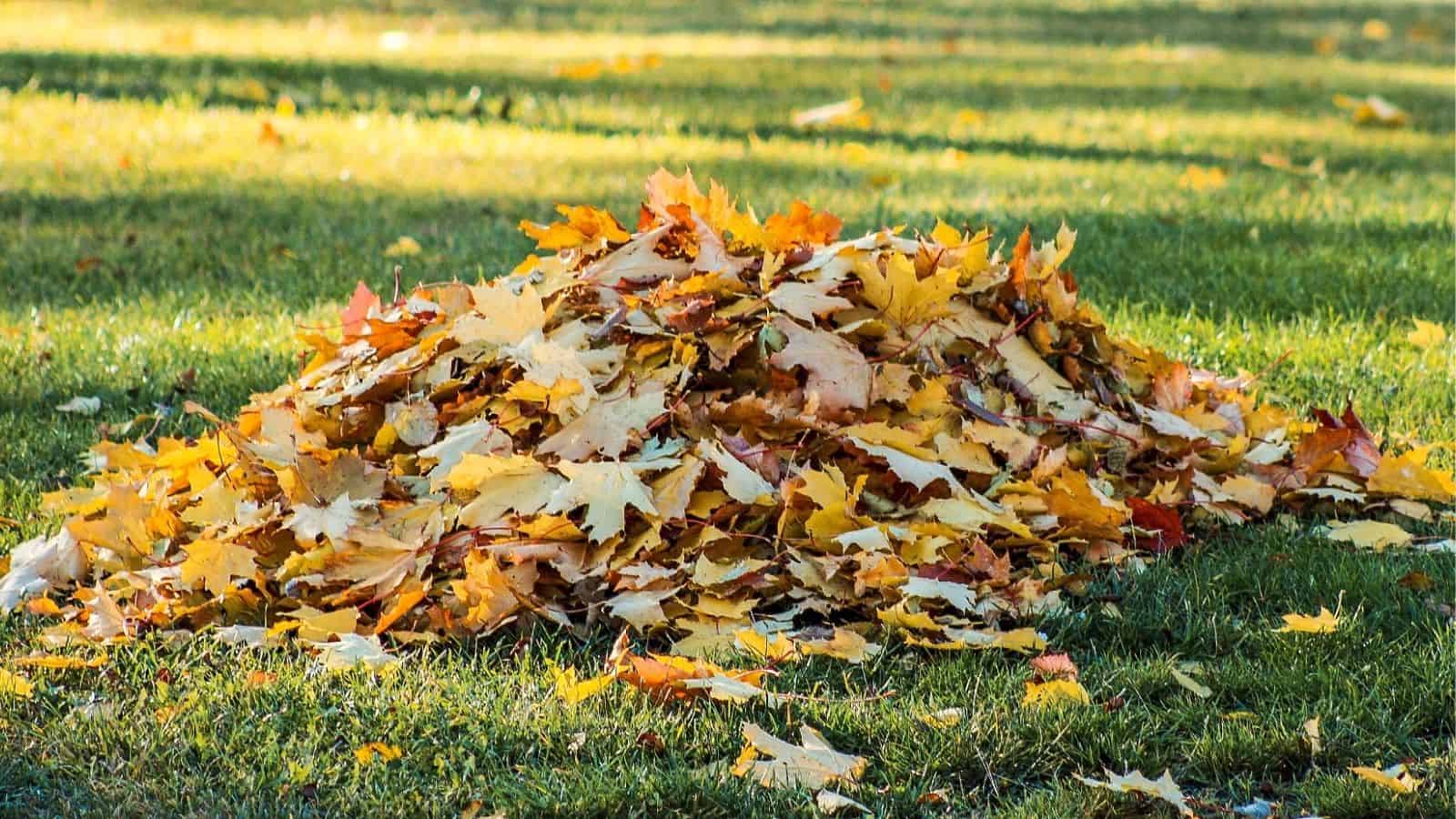
Leave a small pile untouched in a quiet corner of your yard. Frogs, insects, and beneficial creatures will use it for shelter through winter. This simple act supports biodiversity and your garden’s ecosystem.
Make a Natural Pathway

Crushed leaves can be used to line walkways or garden paths. They create a soft, rustic look while helping suppress weeds. Over time, they break down and enrich the soil beneath your feet.
Mix Into Vegetable Beds

Before winter sets in, dig shredded leaves into your vegetable garden. As they decompose, they’ll improve drainage and add organic matter. It’s a natural soil booster for next spring’s crops.
Use as Insulation for Root Vegetables

If you store root vegetables like carrots or beets in a cold frame or cellar, cover them with dry leaves. The leaves act as insulation to keep them fresh longer. It’s an old-fashioned trick that still works wonders.
Fill Large Planters or Raised Beds

When setting up deep containers or raised beds, use dry leaves as a bottom filler. They lighten the load, improve drainage, and slowly break down into compost. It’s smart recycling at its best.
Make Leaf “Tea”

Soak leaves in water for a few days, then use the strained liquid to water your plants. This nutrient-rich brew provides a gentle feed for garden soil. It’s a simple, natural fertilizer that costs nothing.
Cover Bare Soil

Bare soil loses nutrients and erodes over winter. Spread a thin layer of leaves to protect it from wind and rain. By spring, the leaves will have partially broken down and enriched the ground.
Save Some for Spring Mulching

Bag up a few dry leaves and store them for next year. Come spring, you’ll have free mulch ready for use when the garden starts to grow again. It’s an easy way to stay one step ahead.
Fall leaves are one of nature’s greatest gifts for gardeners—they just need a little reuse and imagination. By turning them into mulch, compost, or habitat, you give back to your garden in countless ways. So this year, skip the leaf bags and let nature’s cycle work its magic.





Comments
No Comments