

Foraging isn’t just about filling a basket—it’s about discovering nature’s quiet abundance. Many wild plants offer more than meets the eye, serving double or even triple duty in the kitchen, garden, or medicine cabinet.
Whether you're new to foraging or already hooked, these 11 wild finds prove just how versatile nature’s gifts can be.
Pine Needles

Jump to a Section
More than just a woodland scent, pine needles can be brewed into an immune-boosting tea rich in vitamin C. Their antibacterial properties also make them useful for homemade cleaners and salves.
Yarrow
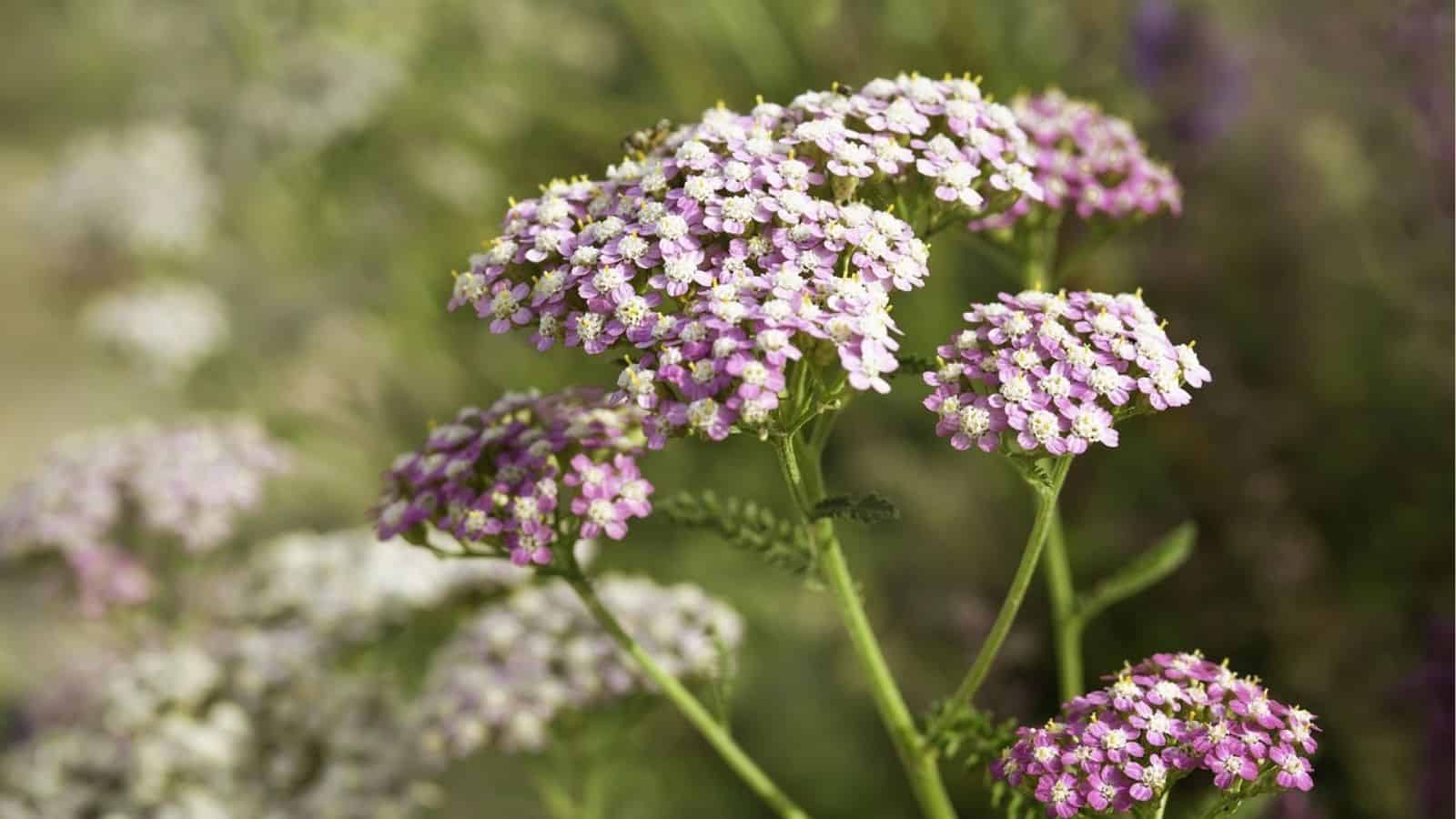
Often overlooked as a roadside weed, yarrow has powerful healing properties. It’s great for stopping minor bleeding and soothing irritated skin, and its flowers attract beneficial insects to your garden.
Chickweed

Tender and mild, chickweed is perfect in salads or smoothies. It also has skin-soothing properties and can be infused in oil to create a natural salve for itchy or inflamed skin.
Red Clover

This wild bloom is not only edible but packed with nutrients. It’s commonly used in herbal teas to support hormonal balance and makes a colorful garnish for summer meals.
Elderflowers

Known for their delicate flavor, elderflowers make delicious syrups and cordials. They also have anti-inflammatory properties and are often used to ease cold and flu symptoms.
Wild Rose Hips

Loaded with vitamin C, rose hips are perfect for teas, jellies, or syrups. They also support immune health and offer antioxidant benefits when dried and stored properly.
Dandelion

Every part of this common plant is useful—from the roots (great for tea or tinctures) to the flowers (perfect for infused oils or jelly) and leaves (delicious in salads or sautés).
Plantain (Not the Banana!)

This low-growing weed is a natural remedy for bug bites and cuts. It can be chewed as a quick poultice or infused into healing balms, and its young leaves are edible too.
Mugwort

Traditionally used to aid digestion and support sleep, mugwort can be burned as a natural smudge or added to dream pillows. Some also use it to flavor homemade beers.
Wood Sorrel

With a lemony tang, wood sorrel brightens up salads and drinks. It’s high in vitamin C and also contains antibacterial properties—just enjoy it in moderation due to oxalates.
Nettle

Stinging nettles lose their sting when cooked and are packed with nutrients. They’re great in soups, teas, and even homemade fertilizers to boost plant health naturally.
Wild foraging deepens your connection to the land. These overlooked plants are tasty, healing, and surprisingly useful—so grab a basket and see what you find.





Comments
No Comments