
Before “zero waste” was a movement, our grandparents were already living it. They found creative ways to stretch every resource, turning ordinary objects into something useful again and again. Their habits weren’t just practical—they reflected gratitude, patience, and care for what they had.
Today, those same habits feel both nostalgic and wise. Here are 13 things our grandparents reused that we should definitely bring back.
Glass Jars
Jump to a Section
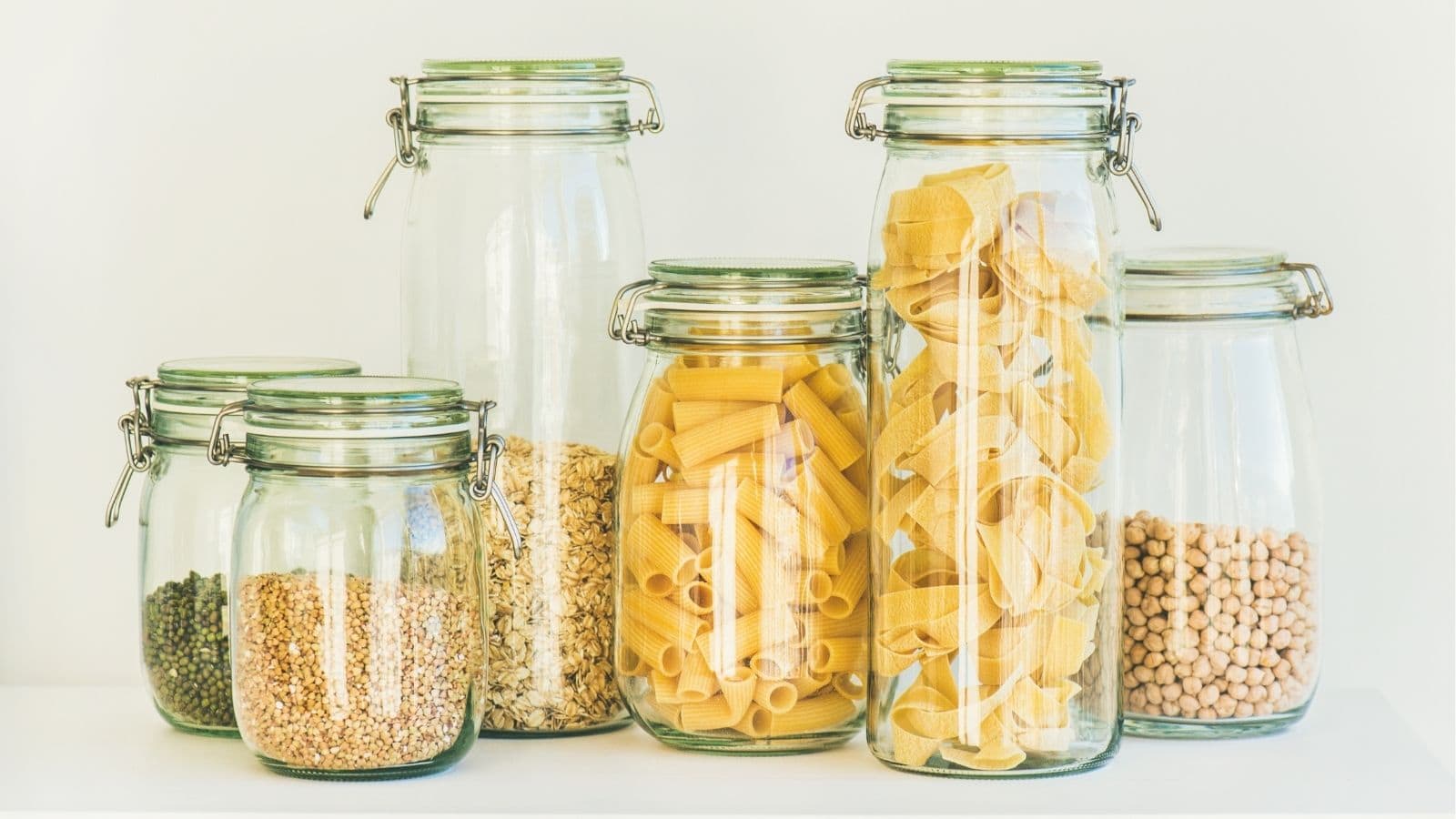
From storing buttons to preserving jams, glass jars were a household staple. They were cleaned, saved, and reused for just about everything. Their timeless usefulness proves some things never go out of style.
Fabric Scraps
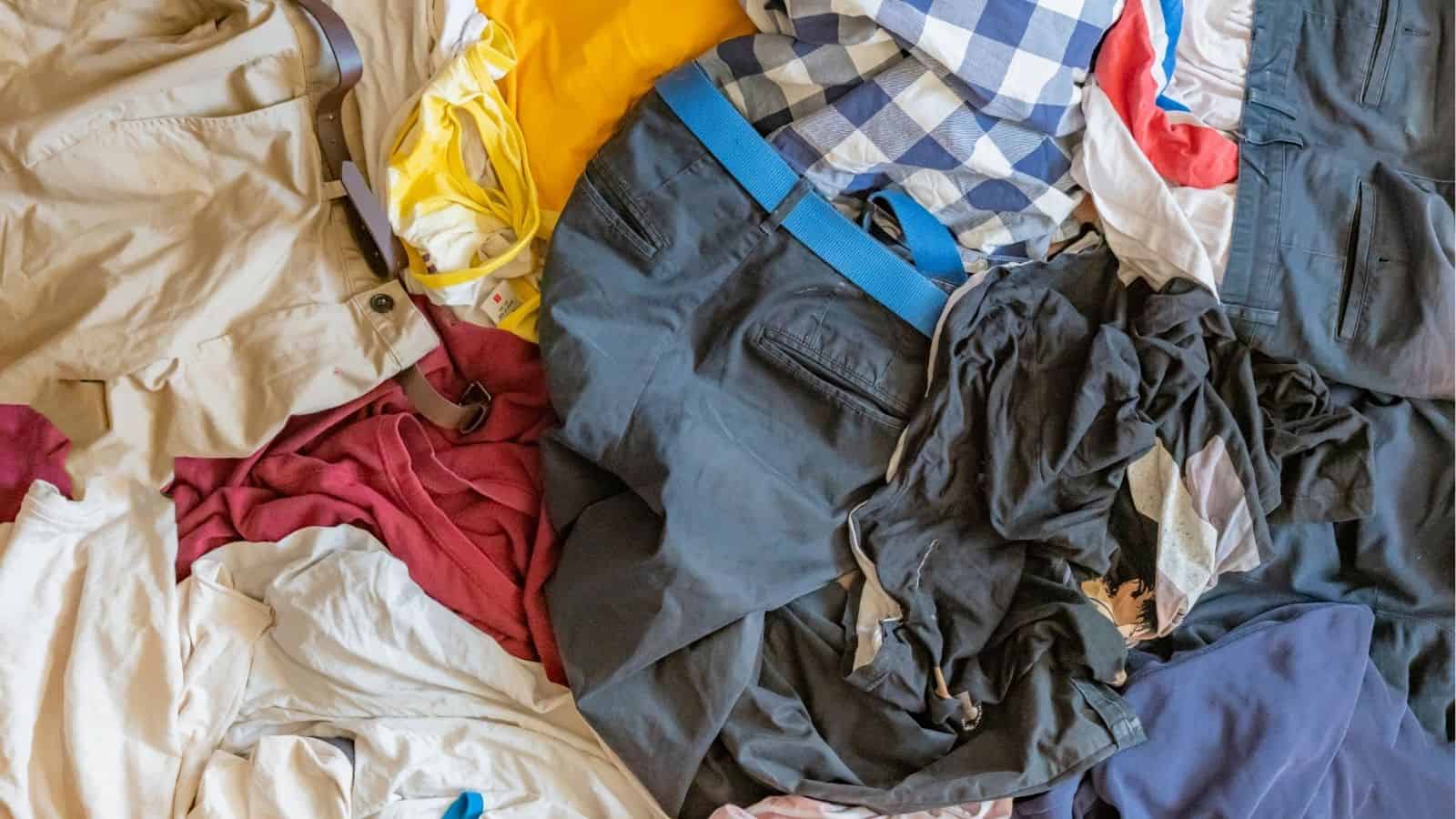
Nothing went to waste—not even old clothes. Fabric scraps became quilts, rags, or patchwork projects full of memories. Each piece told a story stitched with care.
Tin Cans
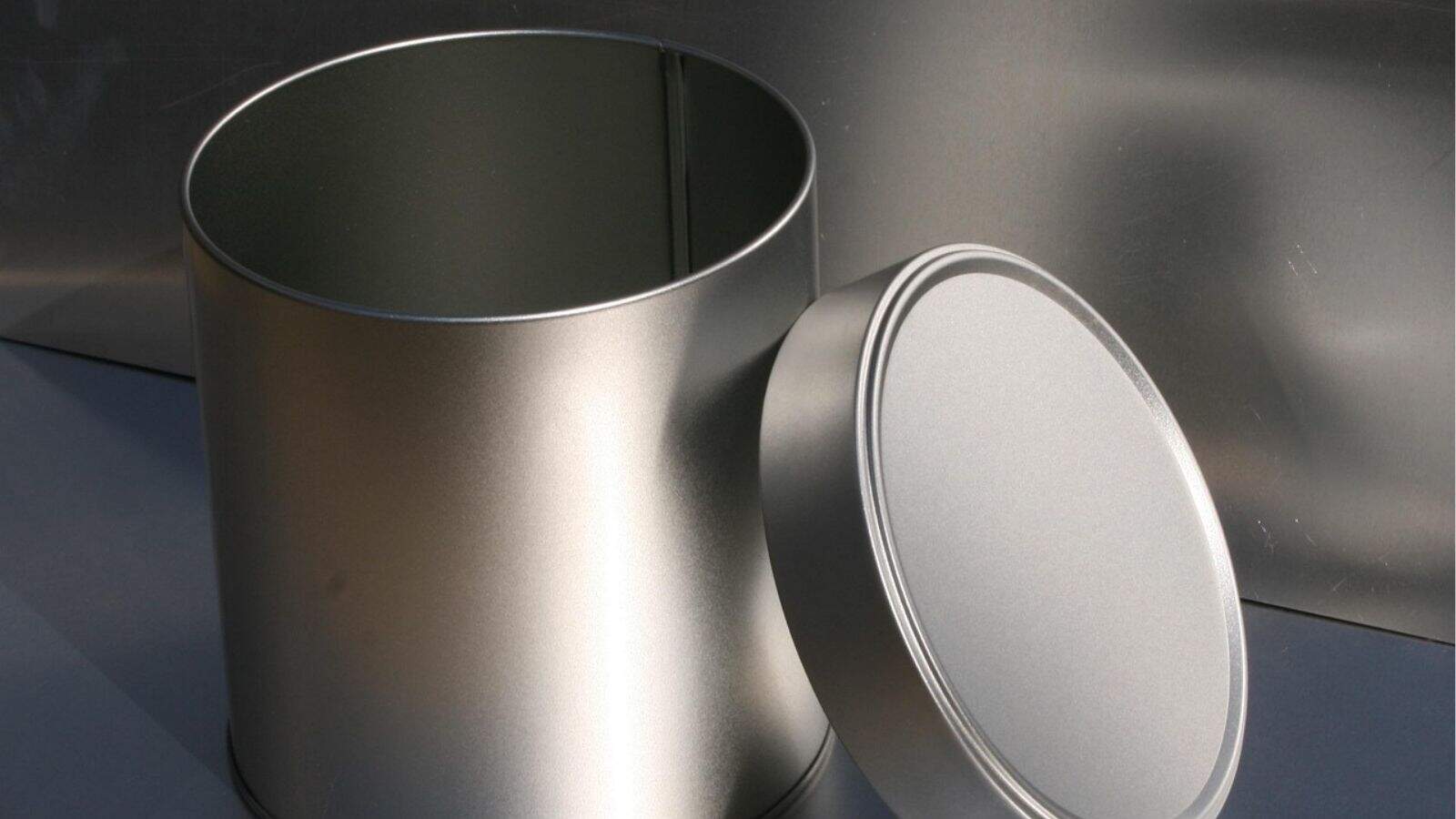
Tin cans were cleaned and repurposed into pencil holders, planters, or storage containers. With a little creativity, they became both practical and charming. It’s the perfect example of finding beauty in the ordinary.
Bacon Grease

Grandparents never tossed cooking grease—it flavored vegetables, fried potatoes, or seasoned cast iron. It was their secret ingredient for better-tasting meals. Today, it’s still a delicious and waste-free kitchen trick.
Twine and String

Bits of string were wrapped neatly around nails or old clothespins for future use. They tied up garden plants, packages, and everything in between. It’s a small habit that shows how resourcefulness adds up over time.
Envelopes and Paper

Old envelopes and letters often got a second life as grocery lists or notes. Nothing was wasted—not even the back of a used envelope. It’s a humble reminder of how simple frugality can be.
Buttons
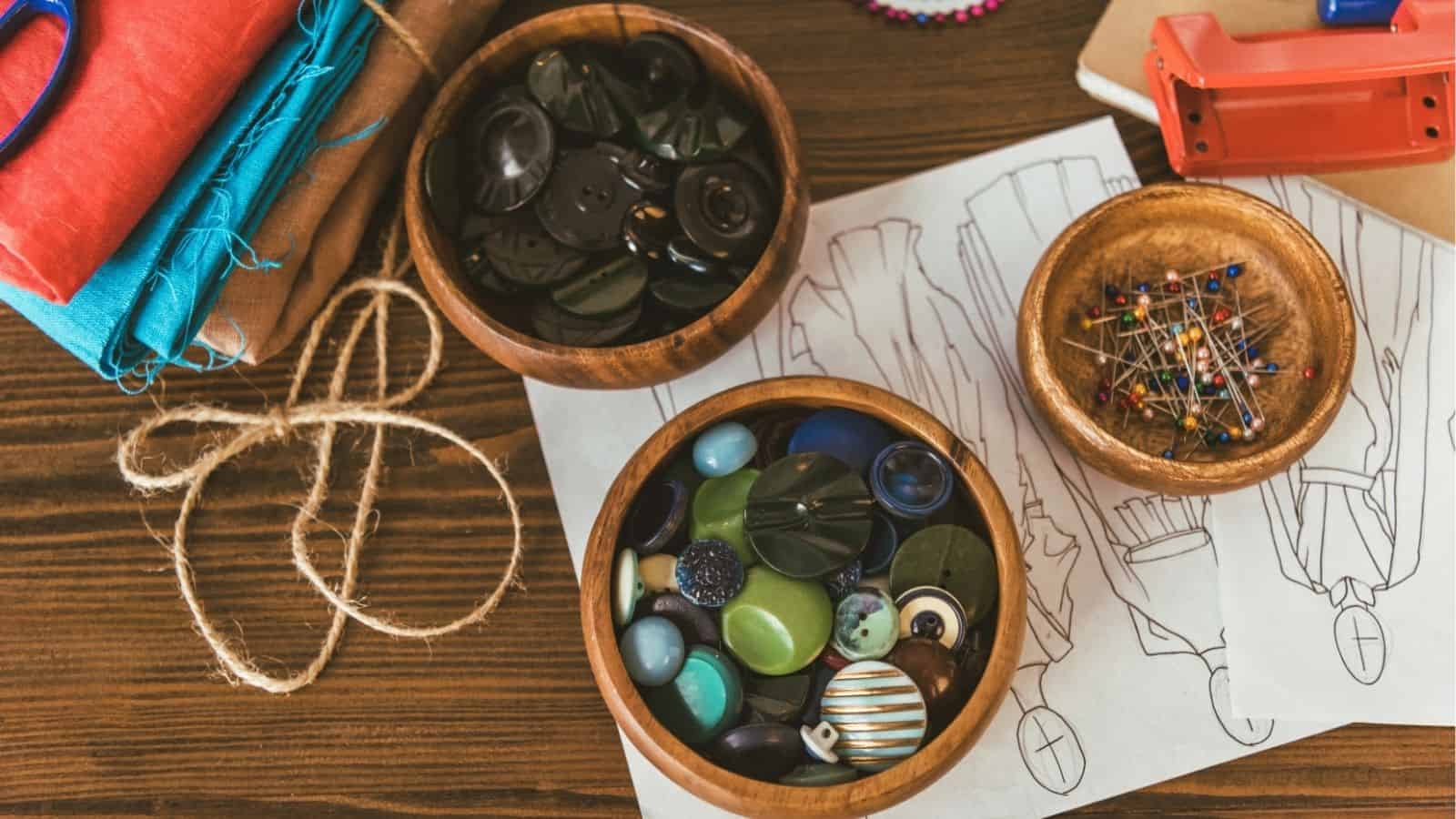
When clothes wore out, the buttons were carefully snipped off and saved in jars. Over time, those collections became little treasures of color and memory. There’s a quiet joy in reusing something so small yet useful.
Mason Jars

Mason jars weren’t just for canning—they doubled as drinking glasses, vases, and leftover containers. Their durability made them a symbol of practicality and simplicity. They’re as handy now as they were then.
Newspaper

Before paper towels, newspapers were used for cleaning windows, starting fires, and wrapping items. It was an eco-friendly solution long before we called it that. Their multipurpose nature made them essential in every home.
Wooden Crates

Old fruit and milk crates became storage boxes, stools, or makeshift shelves. Built to last, they were reused countless times. Today, they’re prized for their rustic charm and sturdy design.
Coffee Tins
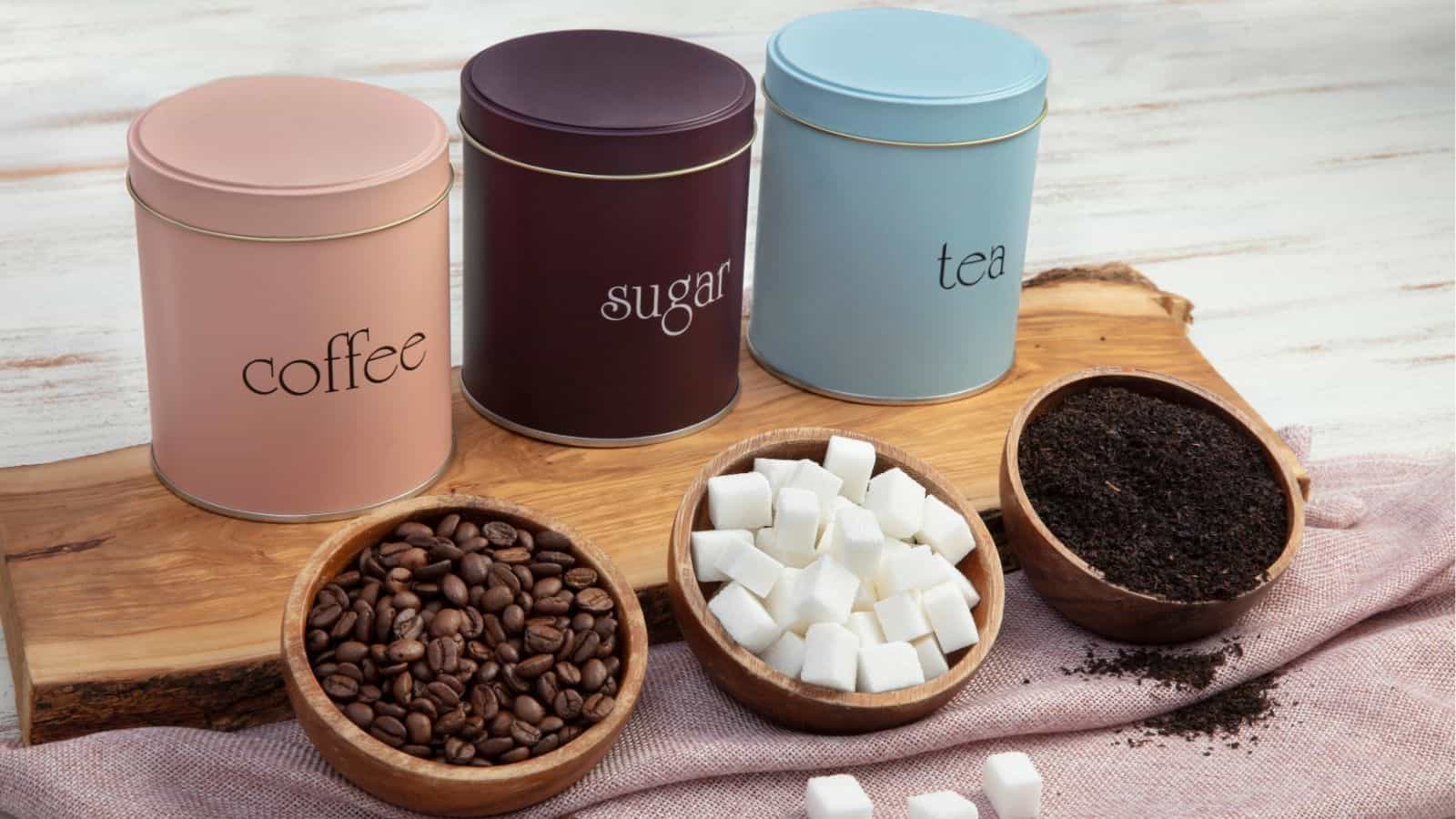
Empty coffee tins were perfect for holding nails, screws, or small kitchen tools. They often sat proudly on workbenches and kitchen counters alike. With a fresh coat of paint, they still make practical, nostalgic storage.
Soap Slivers
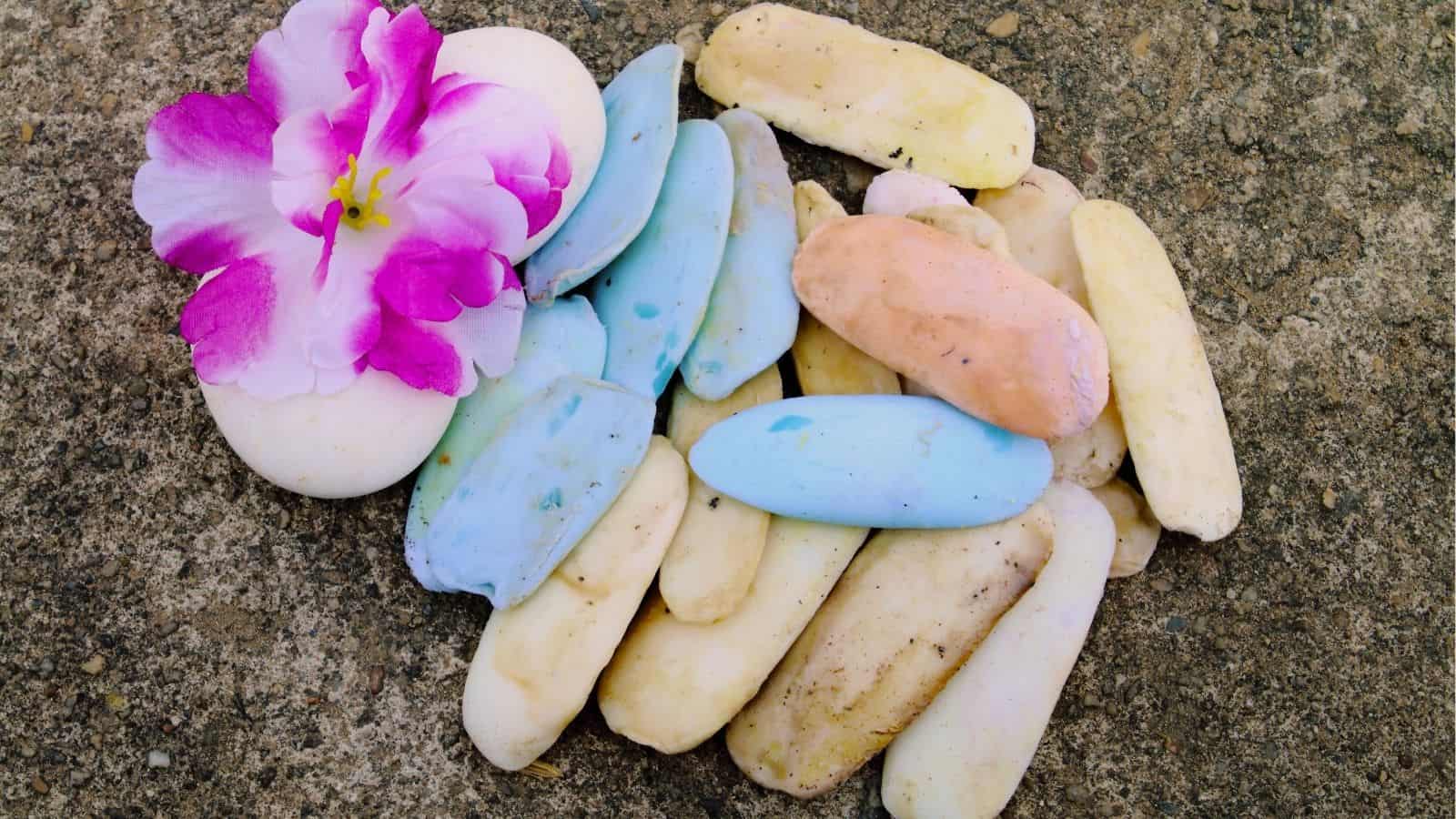
Even the tiniest soap bits were saved and pressed together to make new bars. Nothing went to waste—not even the smallest piece. It’s a thrifty habit that’s easy to bring back with a little patience.
Flour and Feed Sacks
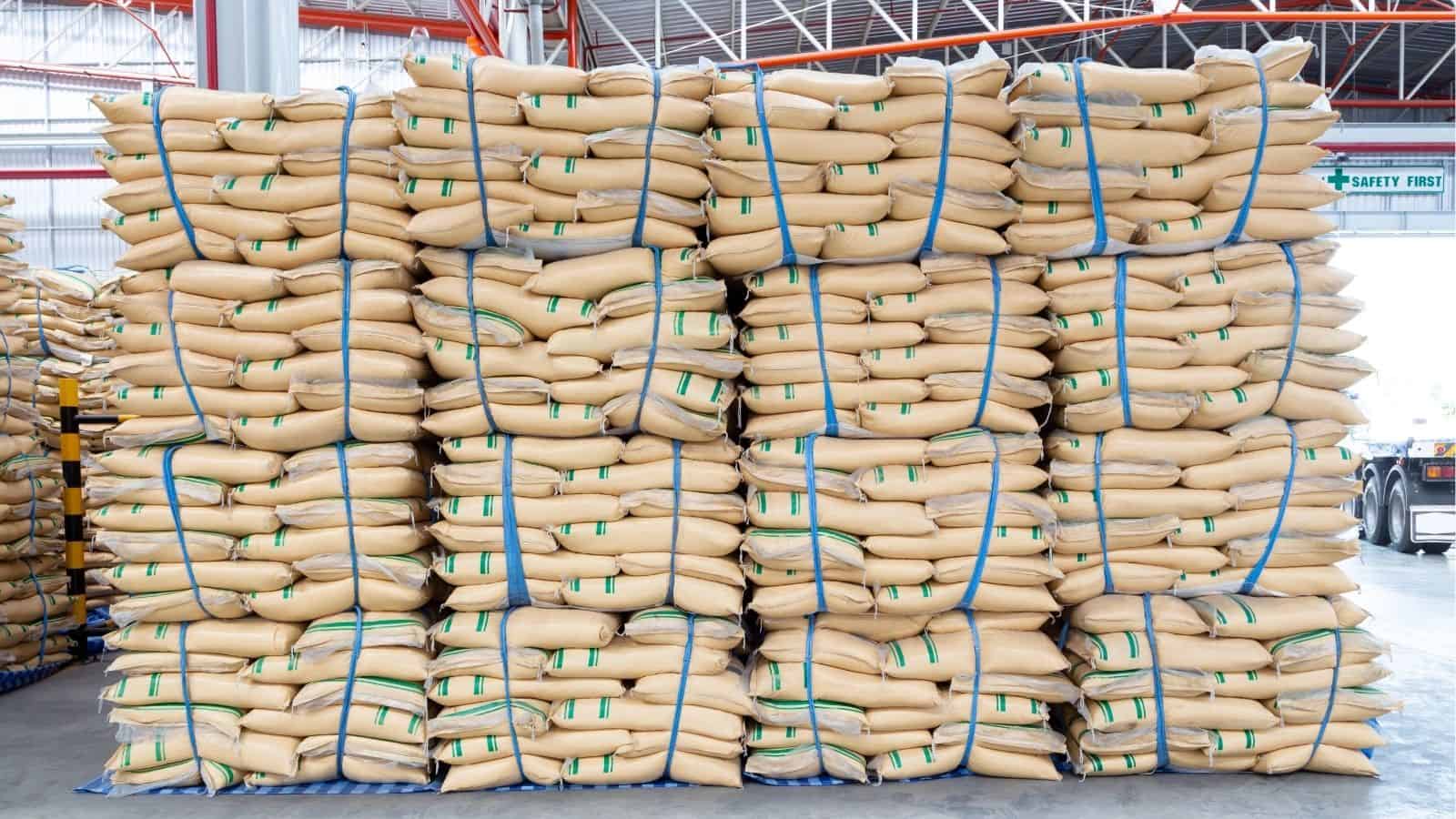
Flour sacks and feed bags were washed and sewn into aprons, curtains, or dresses. Their soft cotton and cheerful prints made them both useful and beautiful. It’s a lost art that celebrated creativity and care.
Our grandparents’ reuse habits were born from necessity, but they carried a timeless wisdom about simplicity and gratitude. Bringing these traditions back not only reduces waste but also reconnects us with a slower, more mindful way of living. Sometimes, the old ways really are the best ways.



Comments
No Comments