

Fall is the perfect time to nurture your garden for next year’s growth. As the harvest wraps up and leaves begin to fall, the soil is ready for a little care and enrichment. A few thoughtful additions now can make a world of difference come spring.
Here are 15 things I always add to my fall garden beds to keep them strong, nourished, and ready for another beautiful season.
Compost

Jump to a Section
Compost is my go-to garden booster. I spread a thick layer over each bed to feed the soil through winter. By spring, it’s broken down into rich, dark nourishment for new plants.
Leaf Mulch
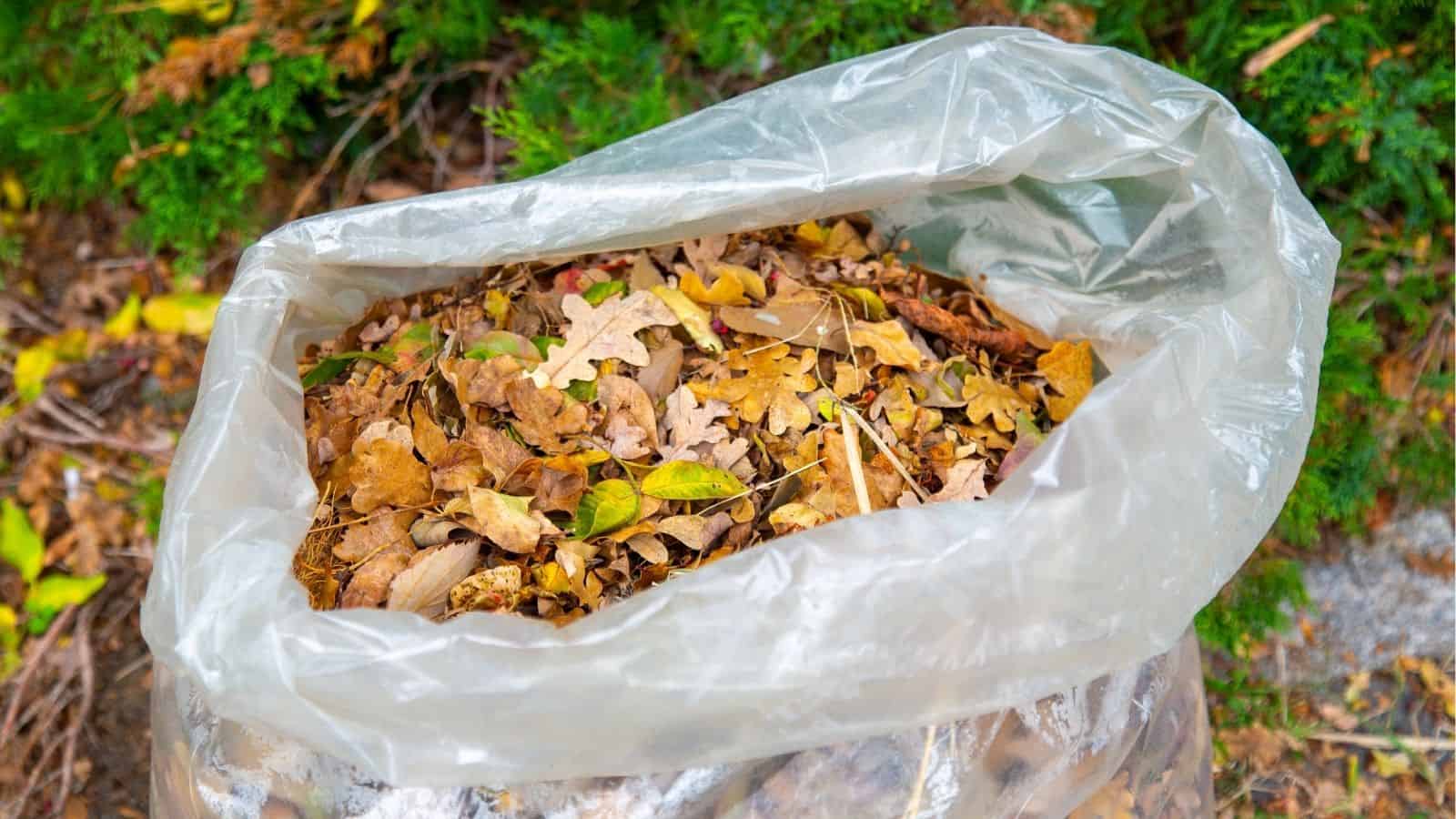
Instead of tossing fallen leaves, I shred them and lay them over my beds. They protect the soil from erosion and add valuable organic matter as they decompose. It’s nature’s free mulch!
A Layer of Straw
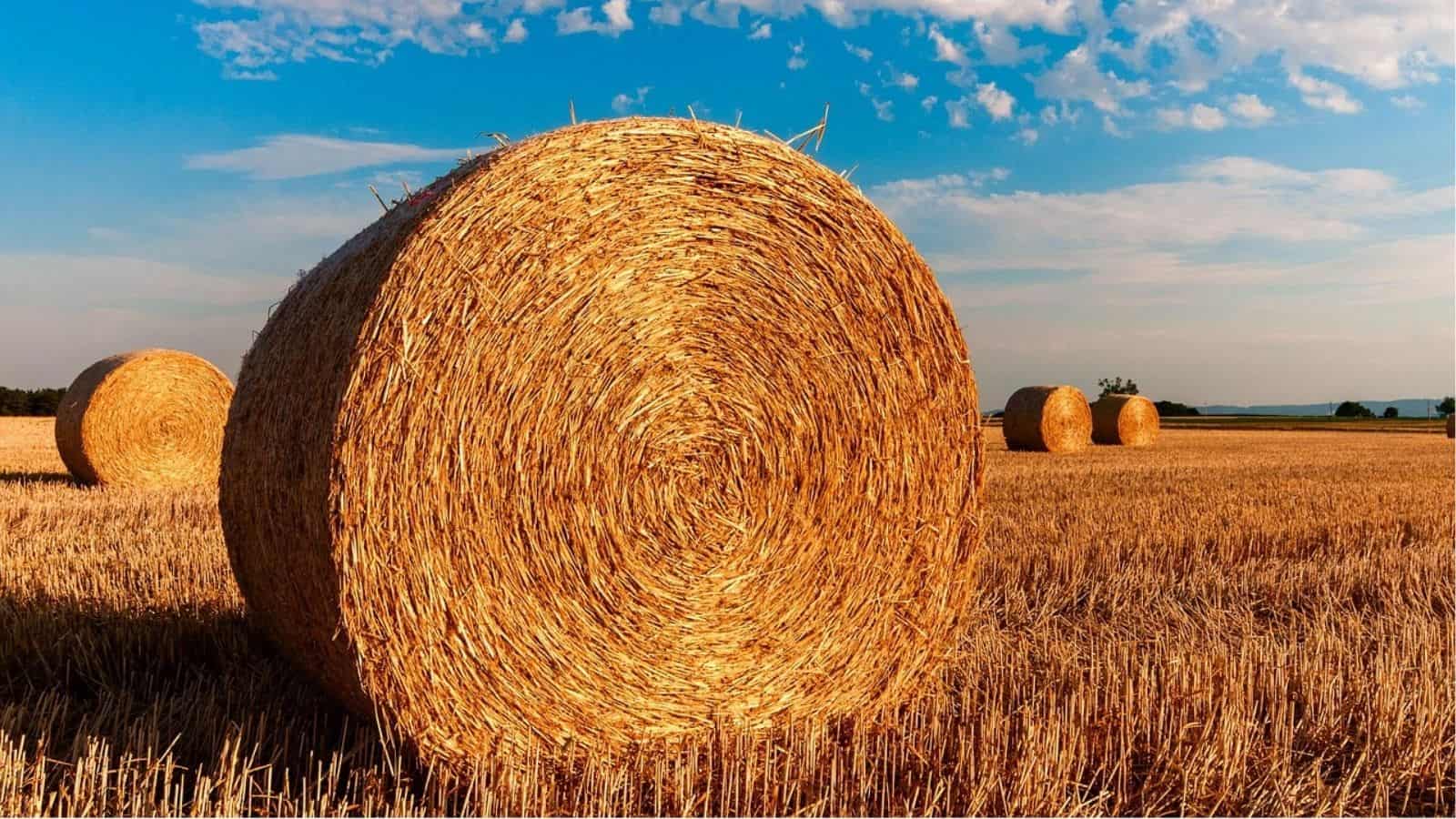
Straw keeps the soil temperature steady during frosty nights. It also prevents weeds from sprouting while protecting delicate roots below. By spring, it’s soft and easy to work back into the soil.
Bone Meal

I like to give perennials and bulbs a phosphorus boost before the cold sets in. Bone meal strengthens their roots and supports early spring blooms. It’s a quiet investment in next season’s beauty.
Aged Manure

A light layer of well-aged manure adds deep nutrients to the soil. It breaks down slowly, enriching the garden over the winter months. Fresh manure can burn plants, so I always make sure it’s composted first.
Cover Crops

Cover crops like clover or winter rye keep soil active through the cold months. They prevent erosion, add nitrogen, and can be tilled under for a spring nutrient boost. It’s like giving your soil a cozy blanket.
Mulched Grass Clippings

When I have leftover clippings, I spread them thinly across garden beds. They help retain moisture and slowly feed the soil. Just make sure they’re free of chemicals or pesticides.
Wood Ash

A small sprinkle of wood ash adds potassium and helps balance soil pH. I only use it sparingly and mix it into the top layer of soil. It’s especially great for vegetable beds.
Worm Castings

Worm castings are like magic for tired soil. They’re full of beneficial microbes that boost plant health and soil structure. I scatter them around perennials and mix them into compost piles.
Garlic Bulbs

Planting garlic in fall gives it time to root before winter. It sleeps under the soil until spring, then grows strong and flavorful. It’s one of my favorite cold-season crops.
Mulched Perennial Stems

After trimming back my perennials, I shred the stems and add them back to the garden. They break down naturally, returning nutrients to the earth. Nothing goes to waste.
Pine Needles

Pine needles make excellent mulch for acid-loving plants like blueberries and azaleas. They’re lightweight, slow to decompose, and help prevent weeds. Plus, they smell wonderful in the crisp fall air.
Seaweed or Kelp Meal

Whenever I can get it, I add a sprinkle of seaweed meal to my beds. It provides trace minerals that enrich the soil and improve plant resilience. It’s like a natural multivitamin for the garden.
Rock Dust

Rock dust replenishes minerals that plants pull from the soil each year. I add it sparingly to maintain long-term fertility. It supports healthy root systems and balanced plant growth.
A Final Watering

Before the first hard frost, I give my beds one last deep watering. Moist soil retains heat better than dry, helping protect roots through cold spells. It’s the last act of care before the garden rests.
Adding these small touches to your fall garden beds helps the soil rest, heal, and grow stronger over winter. Come spring, your garden will thank you—with richer earth, healthier plants, and an earlier burst of life.



Comments
No Comments