
• Skip to main content
  • Skip to primary sidebar

Schisandra & Bergamot logo

menu icon
go to homepage
  • Index
  • Subscribe
  • About
  • Contact
  • Videos
    • Facebook
    • Instagram
    • Pinterest
  • subscribe
    search icon
    Homepage link
    • Index
    • Subscribe
    • About
    • Contact
    • Videos
    • Facebook
    • Instagram
    • Pinterest
  • ×
    Home » Trending

    Published: Oct 17, 2025 by Kristen Wood · This post may contain affiliate links. If you make a purchase through links on our site, we may earn a commission. ·

    11 Things To Add to Soil Before Winter Sets In

    0 shares
    • Facebook
    • Reddit

    As the gardening season winds down, your soil deserves a little TLC before its long winter nap. Enriching it now helps create a strong foundation for spring planting, ensuring your garden wakes up healthy and ready to thrive.

    By adding the right amendments, you’ll protect nutrients, encourage beneficial microbes, and give your soil time to rest and rebuild. Here are 11 essential things to add to your soil before winter sets in.

    Compost

    Two wooden compost bins filled with decomposing organic matter, featuring wire mesh sides and temperature gauges inserted in the material.
    Photo Credit: Frank Thiemonge/Unsplash

    Compost is the ultimate soil booster, packed with nutrients and beneficial organisms. Spread a generous layer over your beds to feed the soil through winter. As it breaks down, it improves texture, drainage, and fertility.

    Manure

    A person holds a pink basin over a large blue container filled with murky water, with a white bucket of red and yellow berries nearby on grass.
    Photo Credit: antonytrivet/Envato

    Aged or composted manure adds valuable nitrogen and organic matter. It helps build rich, productive soil for spring crops. Just be sure to use well-rotted manure to avoid burning tender roots later on.

    Leaf Mold

    A pile of discarded vegetable scraps including carrots, leafy greens, and other plant matter.
    Photo Credit: Couleur/Pixabay

    Leaf mold enhances moisture retention and soil structure. It’s easy to make by decomposing fall leaves, and it adds a natural softness to garden beds. Over time, it creates a nutrient-rich environment for roots.

    Bone Meal

    Image of a Jobe's Organics Bone Meal fertilizer package, featuring green and white colors, and labeled as an organic fertilizer.
    Photo Credit: homank76/Deposit Photos

    This slow-release fertilizer is rich in phosphorus, which promotes strong root development. Mixing it into the soil before winter ensures plants have what they need to start off strong in spring. It’s especially great for bulbs and perennials.

    Wood Ash

    Close-up of scattered black and white ashes, with a textured, uneven surface.
    Photo Credit: Volodymyr Hryshchenko/Unsplash

    Wood ash from your fireplace provides potassium and trace minerals. Sprinkle it lightly and mix it into the soil—it helps balance acidity and strengthens plant cell walls. Just avoid overdoing it, as too much can make soil alkaline.

    Cover Crops

    A dense cluster of green clover leaves with water droplets scattered on the surface.
    Photo Credit: damesophie/Pixabay

    Also called green manure, cover crops like clover, rye, or vetch protect soil from erosion and add nutrients as they decompose. They also suppress weeds and improve soil structure. It’s one of the best natural ways to rejuvenate garden beds.

    Mulch

    A close-up view of scattered brown wood chips and bark mulch covering the ground.
    Photo Credit: natalya_ugr/Envato

    A thick layer of mulch insulates soil, prevents erosion, and keeps beneficial microbes active longer. Use shredded leaves, straw, or compost as a natural blanket. It also makes your garden look tidy during the off-season.

    Rock Phosphate
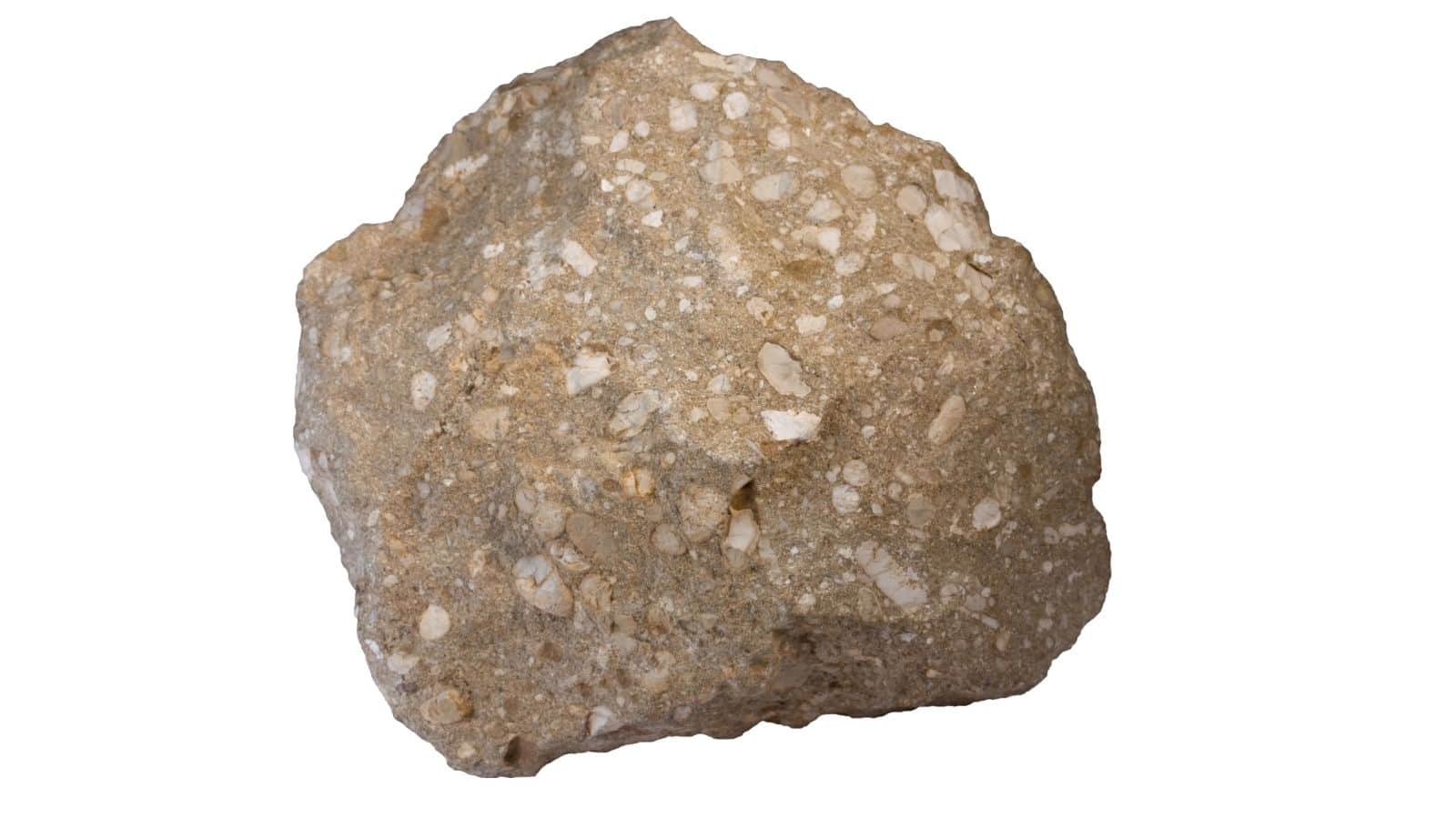
    A rough, light brown conglomerate rock with visible white and tan mineral fragments, set against a plain white background.
    Photo Credit: siimsepp/Deposit Photos

    If your soil needs a phosphorus boost, rock phosphate is a great long-term option. It releases nutrients slowly, supporting root and flower development over time. Adding it before winter gives it plenty of time to work into the soil.

    Worm Castings

    Plastic container filled with soil and several earthworms, placed on a wooden surface.
    Photo Credit: ThamKC/Envato

    Worm castings are rich in beneficial bacteria and nutrients that improve plant health. Mixing them into the top layer of soil boosts fertility and helps plants resist disease. It’s one of the gentlest and most effective soil amendments.

    Coffee Grounds

    A hand sprinkles ground coffee into a decorative bowl, with coffee grounds scattered on a white surface nearby.
    Photo Credit: trimarchi_photo/Envato

    Used coffee grounds add nitrogen and improve soil texture. Mix them into compost or directly into the soil to encourage healthy microbial activity. They’re especially beneficial for acid-loving plants like blueberries and azaleas.

    Seaweed or Kelp Meal

    Close-up view of wet, dark green and brown seaweed with air bladders, overlapping and covering the surface.
    Photo Credit: koldunova/Envato

    Seaweed provides trace minerals, hormones, and nutrients that promote plant resilience. It’s an all-natural amendment that helps soil retain moisture and boosts microbial life. Perfect for gardens that need a balanced nutrient refresh.

    Winter may slow your garden, but it’s the perfect time to nurture your soil for the seasons ahead. By feeding and protecting it now, you’re setting the stage for stronger plants, better harvests, and a thriving spring garden. Treat your soil well—it’ll thank you with beautiful growth next year.


    More Trending

    • A wooden bowl filled with brown sugar, perfect for a DIY body polish recipe, sits on a wooden surface with a wooden scoop inside. Nearby, oat flakes are scattered artfully.
      15 autumn-inspired scrubs and exfoliants made at home
    • A woman in a blue coat sits on a metal fence holding autumn leaves, with yellow-leaved trees and a street in the background.
      15 autumn garden rituals that feel grounding
    • Person sorting items for a swap event at home, with a sign reading "SWAP not SHOP" and various household items and clothes on tables.
      15 gentle, low-waste swaps for a more mindful home
    • A ceramic bowl filled with a mixture of coarse salt, dried rosebuds, and berries, with a wooden scoop resting on the edge.
      15 homemade skincare ideas that feel gentle and nourishing

    About Kristen Wood

    Kristen is a plant lover, gardener, certified functional nutritional expert, cookbook author, writer, and photographer. Her work has been featured in many online and print publications including Willow & Sage Magazine, Forbes, NBC, New York Daily News, Healthline, MSN, Elle, Yoga Journal, and many more. She is also a syndicated writer for The Associated Press.

    Reader Interactions

    Comments

    No Comments

    Leave a Reply Cancel reply

    Your email address will not be published. Required fields are marked *

    Recipe Rating


    Primary Sidebar

    A close up of a woman's face in the sun, radiating with the gentle glow of schisandra and bergamot home.

    About Kristen Wood

    Kristen is a plant lover, gardener, certified functional nutritional expert, cookbook author, writer, and photographer. Her work has been featured in many online and print publications including Willow & Sage Magazine, Forbes, NBC, New York Daily News, Healthline, MSN, Elle, Yoga Journal, and many more. She is also a syndicated writer for The Associated Press.

    Learn more about me →

    Follow us!

    Footer

    ↑ back to top

    About

    • Privacy Policy
    • Google Web Stories
    • Accessibility Statement
    • Disclaimer

    Newsletter

    • Sign up for our newsletter to receive our latest posts!

    Contact

    • Contact

    Copyright © 2025 Schisandra & Bergamot
    Disclaimer: As An Amazon Associate I Earn From Qualifying Purchases.

    0 shares