

As winter approaches, many of us tidy up our gardens, trimming, raking, and clearing everything away. But for wildlife, those “messy” corners and leftover plants provide food, warmth, and shelter through the cold months.
Leaving certain things in your yard can turn it into a safe haven for birds, insects, and small mammals all winter long. Here are 15 simple, natural things you can leave in your yard to support winter wildlife and keep nature thriving right outside your door.
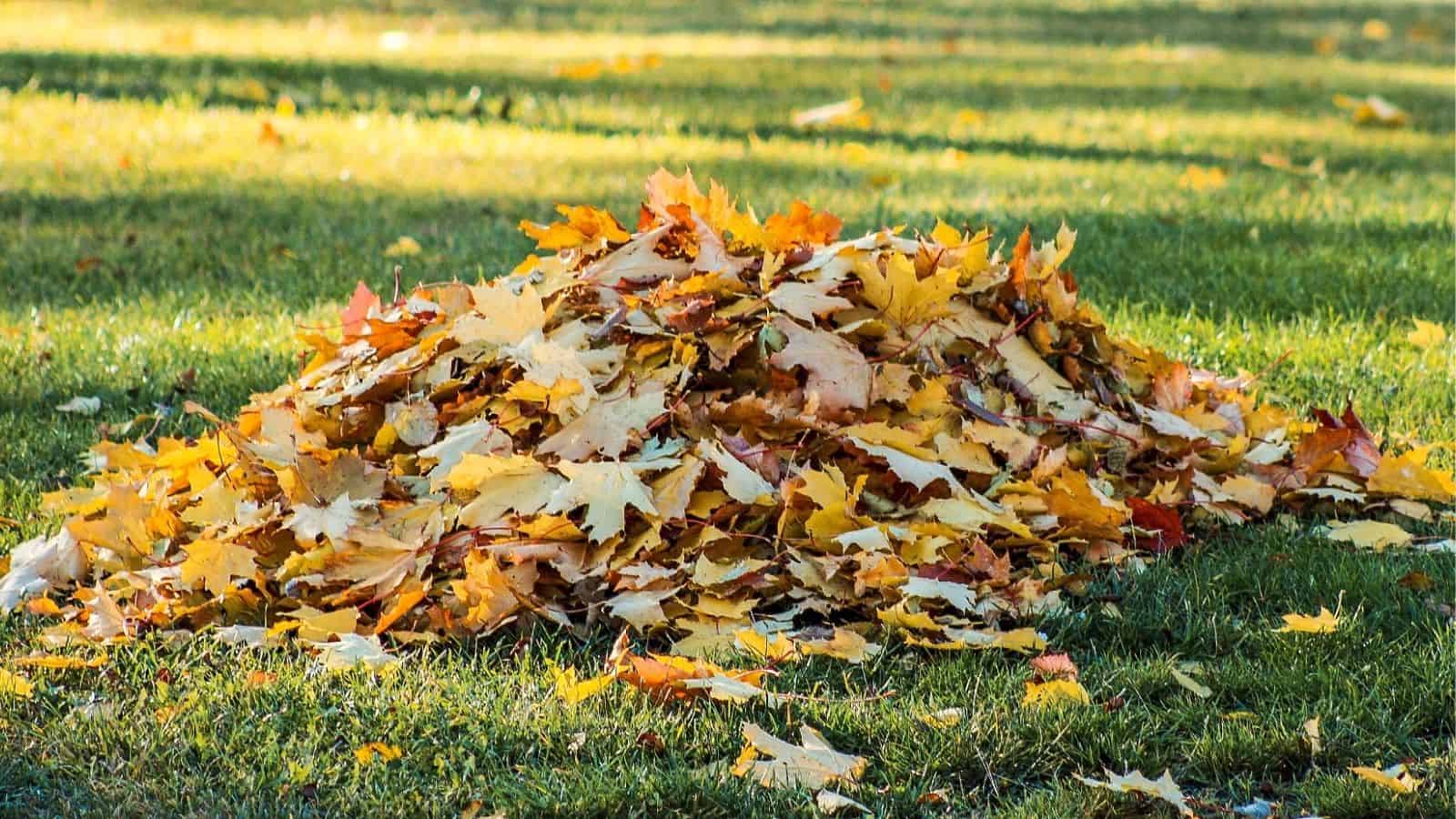
Leaf Piles
Jump to a Section
Skip the rake in a few spots and let leaves gather naturally. They provide cozy shelter for frogs, toads, and overwintering insects beneath the surface.
Seed Heads

Keep flower seed heads like coneflowers and sunflowers standing. They serve as a vital winter food source for birds when insects and seeds are scarce.
Brush Piles

Stack fallen branches or twigs in a quiet corner of your yard. These piles create instant hiding spots for rabbits, chipmunks, and overwintering insects.
Standing Perennials

Don’t cut back all your perennials—hollow stems give insects a place to hibernate and birds a perch to rest on cold days.
Mulched Leaves
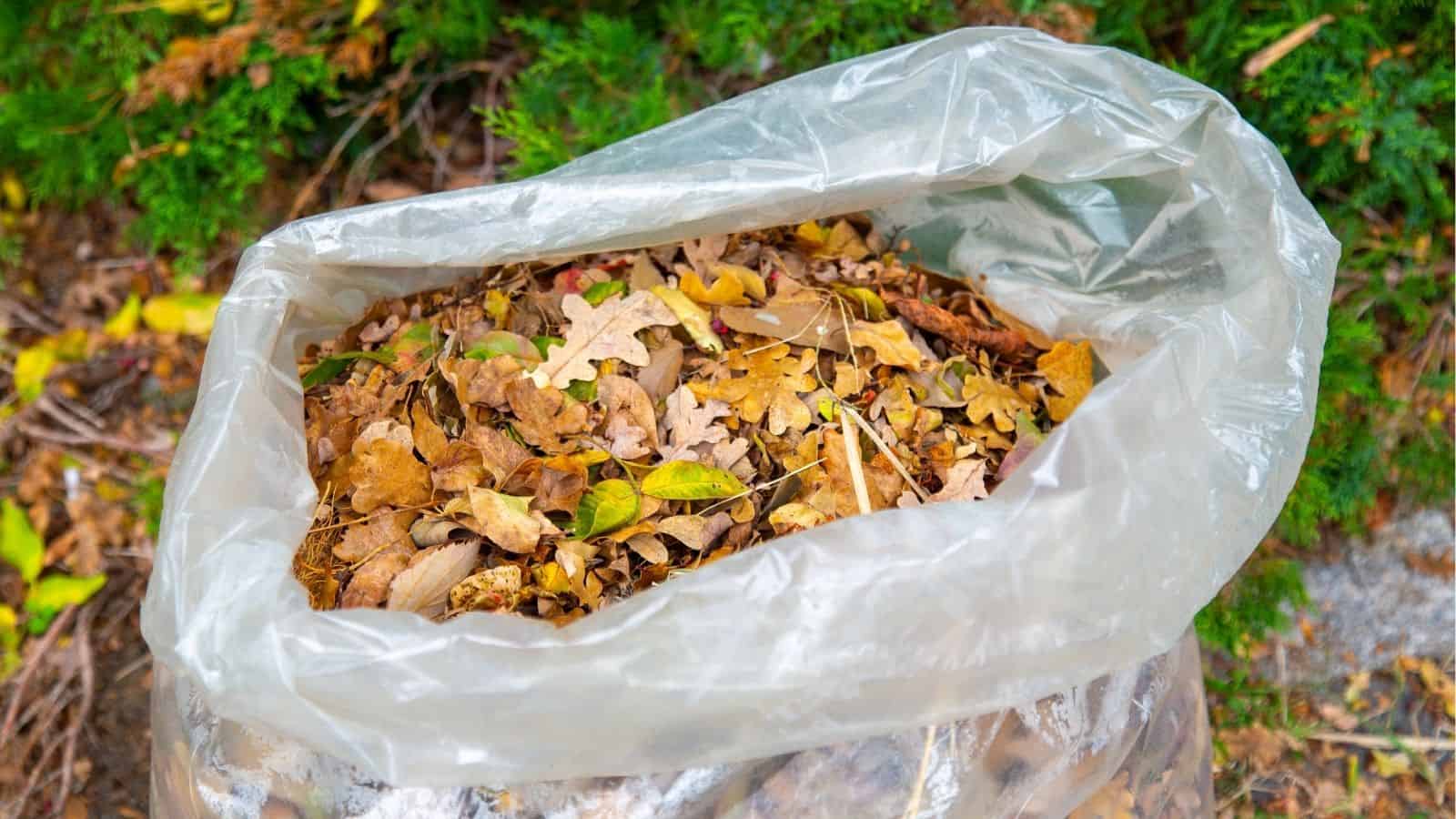
Instead of bagging them, mulch fallen leaves into garden beds. They insulate soil, protect plant roots, and shelter beneficial beetles and pollinators.
Fallen Logs

Leave a few logs to decompose naturally. They become mini-ecosystems for fungi, moss, and insects that nourish your garden’s food web.
Native Grasses

Let ornamental and native grasses stand tall. Their dense bases shelter small mammals, while the seeds feed hungry songbirds.
Compost Piles
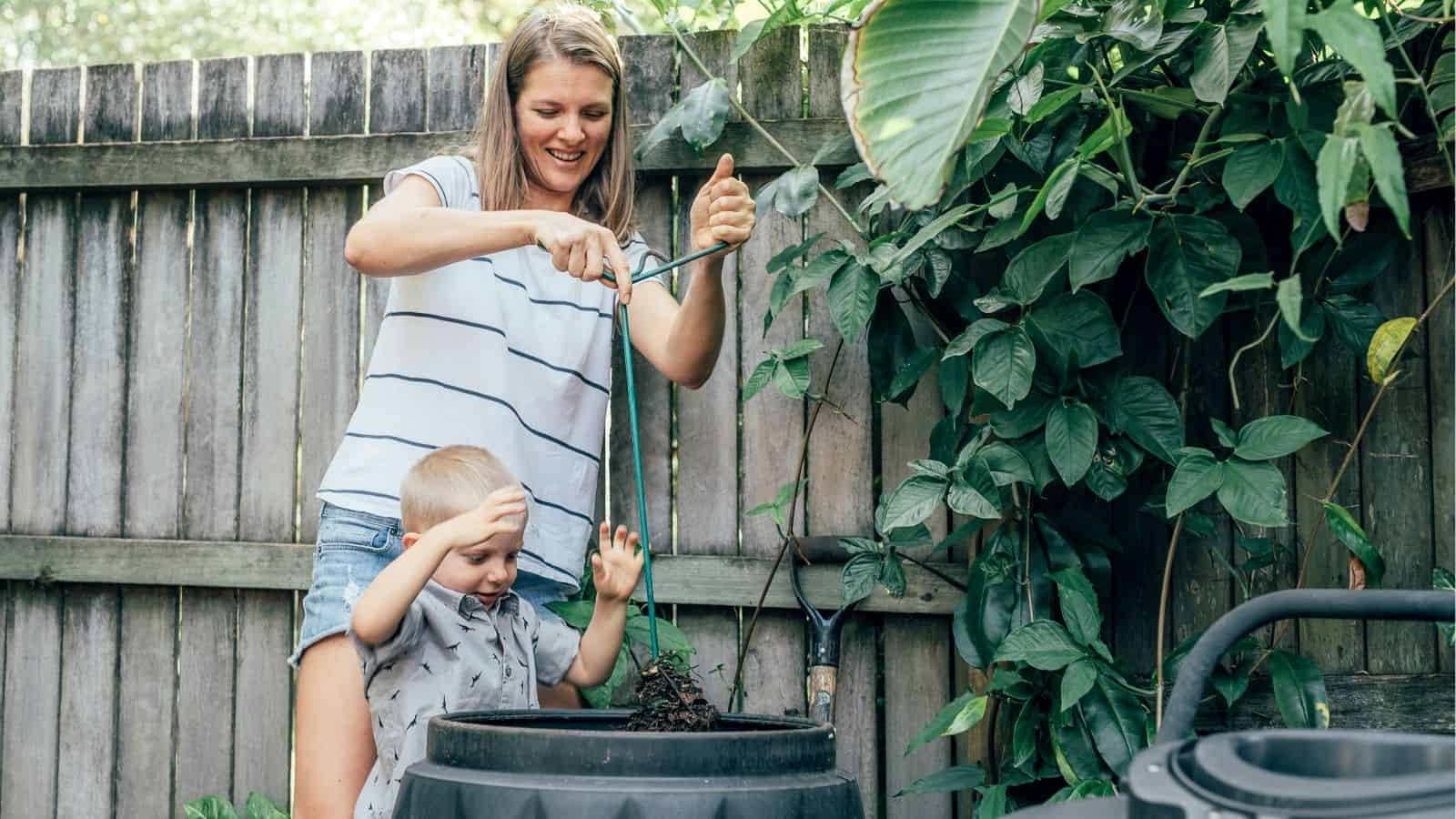
An active compost heap gives off gentle warmth that attracts earthworms and decomposers, supporting soil health through winter.
Rocks and Stone Borders

Rocks absorb warmth from the sun and create pockets of shelter underneath. They’re perfect hiding spots for toads and small reptiles.
Pinecones

Scatter pinecones around garden beds—they hold seeds for birds and make natural homes for overwintering insects.
Shrubs and Hedges

Dense shrubs and evergreens provide year-round protection from predators and harsh weather for small animals and birds.
Birdhouses

Clean and leave birdhouses up through winter. Some species use them for shelter even when nesting season is long over.
Water Source

Keep a birdbath or shallow dish of water available. Refresh it regularly or add a heater to prevent freezing—it’s a lifeline for thirsty wildlife.
Dead Plant Material

Leaving a few dead stems and stalks gives insects places to lay eggs. They’ll emerge in spring and help pollinate your garden.
Unmowed Corners

Skip mowing certain areas until spring. Long grass protects caterpillars, crickets, and other small creatures through the coldest months.
A little “wild” in your winter yard can make a world of difference. By leaving natural materials in place, you’re offering warmth, food, and refuge to the wildlife that helps your garden thrive year after year.





Comments
No Comments