

Preparing your garden before winter arrives can set you up for a healthier, more productive growing season. With just a few simple additions, you can protect your soil, support wildlife, and lay the groundwork for spring success. These easy tasks help maintain structure, boost nutrients, and keep your beds thriving through the colder months.
By tucking in a few key items now, you’ll save time, reduce spring cleanup, and improve your garden’s resilience. Think of it as giving your outdoor space a gentle head start. Here’s what to add before the temperature drops.
Mulch Layers

Jump to a Section
A thick mulch layer acts as a natural blanket, protecting soil from harsh temperature swings. It also helps suppress winter weeds that might sprout during mild spells. By spring, it slowly breaks down and boosts soil health.
Compost Additions

Adding compost now gives microbes time to break it down over winter. This creates richer, more fertile soil by the time planting season arrives. It also improves moisture retention during unpredictable spring weather.
Leaf Mold

Shredded leaves add valuable organic matter that improves soil texture. They help cushion plant roots from freeze-thaw cycles throughout winter. By spring, they begin transforming into a nutrient-rich soil amendment.
Winter Rye Seed
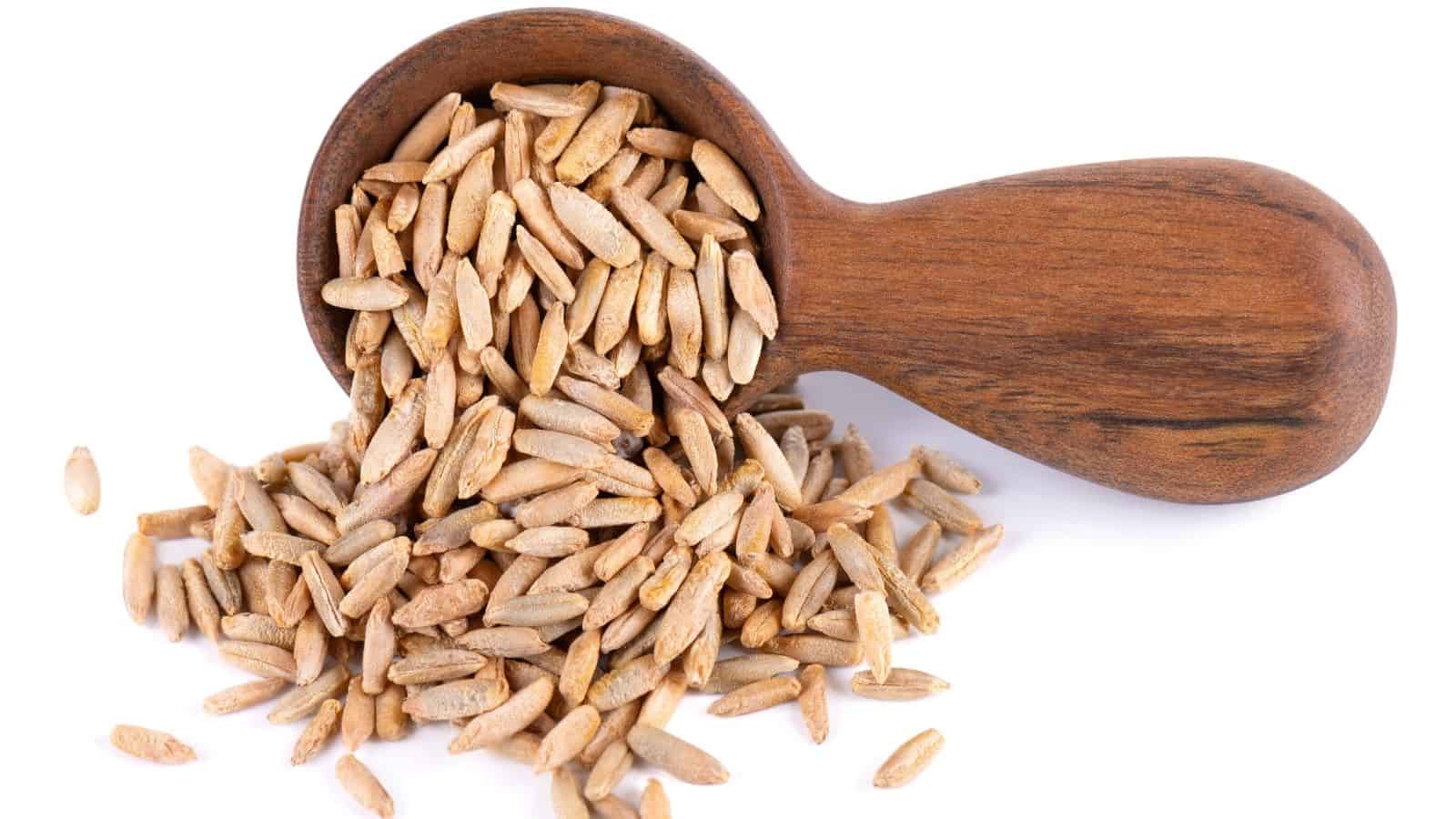
Winter rye is a reliable cover crop that protects bare soil from erosion. Its roots hold everything in place while adding beneficial organic material. Come spring, you can cut it down and mix it into the soil to boost fertility.
Straw or Hay Mulch

Straw is lightweight yet insulating, making it ideal for winter protection. It helps maintain consistent soil temperatures around dormant plants. As it breaks down, it enriches garden beds with organic matter.
Evergreen Boughs

Evergreen branches offer natural cold protection for perennials and young shrubs. Their airy structure prevents soil compaction from heavy snow. They’re also a great way to repurpose holiday greenery.
Cardboard or Paper Layers

Sheet mulching with cardboard or paper creates a barrier that smothers weeds. Over winter, it begins to soften and decompose into the soil. By spring, you’ll have a healthier, more manageable bed.
Garlic Cloves

Garlic needs a cold period to form large, flavorful bulbs, making fall the perfect time to plant. Tucking cloves into the soil now ensures they establish strong roots. You’ll enjoy harvest-ready garlic midsummer with very little effort.
Spring-Flowering Bulbs

Bulbs like tulips and daffodils require winter chill to bloom properly. Planting them before the ground freezes ensures they settle in and root well. Come spring, they provide early color at a time when few plants are awake.
Compostable Kitchen Scraps

Kitchen scraps such as coffee grounds and veggie peels add instant nutrients to the soil. When layered properly, they help stimulate healthy microbial activity. Over winter, they break down into a rich, natural fertilizer.
Slow-Release Fertilizer

A gentle slow-release formula gives soil a nutrient boost without overwhelming dormant plants. Winter moisture helps the fertilizer dissolve gradually. By spring, roots can access nutrients right when they need them.
Row Covers or Frost Cloth

These lightweight covers shield overwintering crops from frost and harsh winds. They allow sunlight and moisture through while maintaining warmth. This simple protection can significantly improve winter survival rates.
Soil Amendments

Winter is the perfect time to add amendments like bone meal, sulfur, or lime. These materials take months to fully integrate into the soil. Adding them now ensures they’re active and beneficial by spring planting.
Decorative Winter Containers
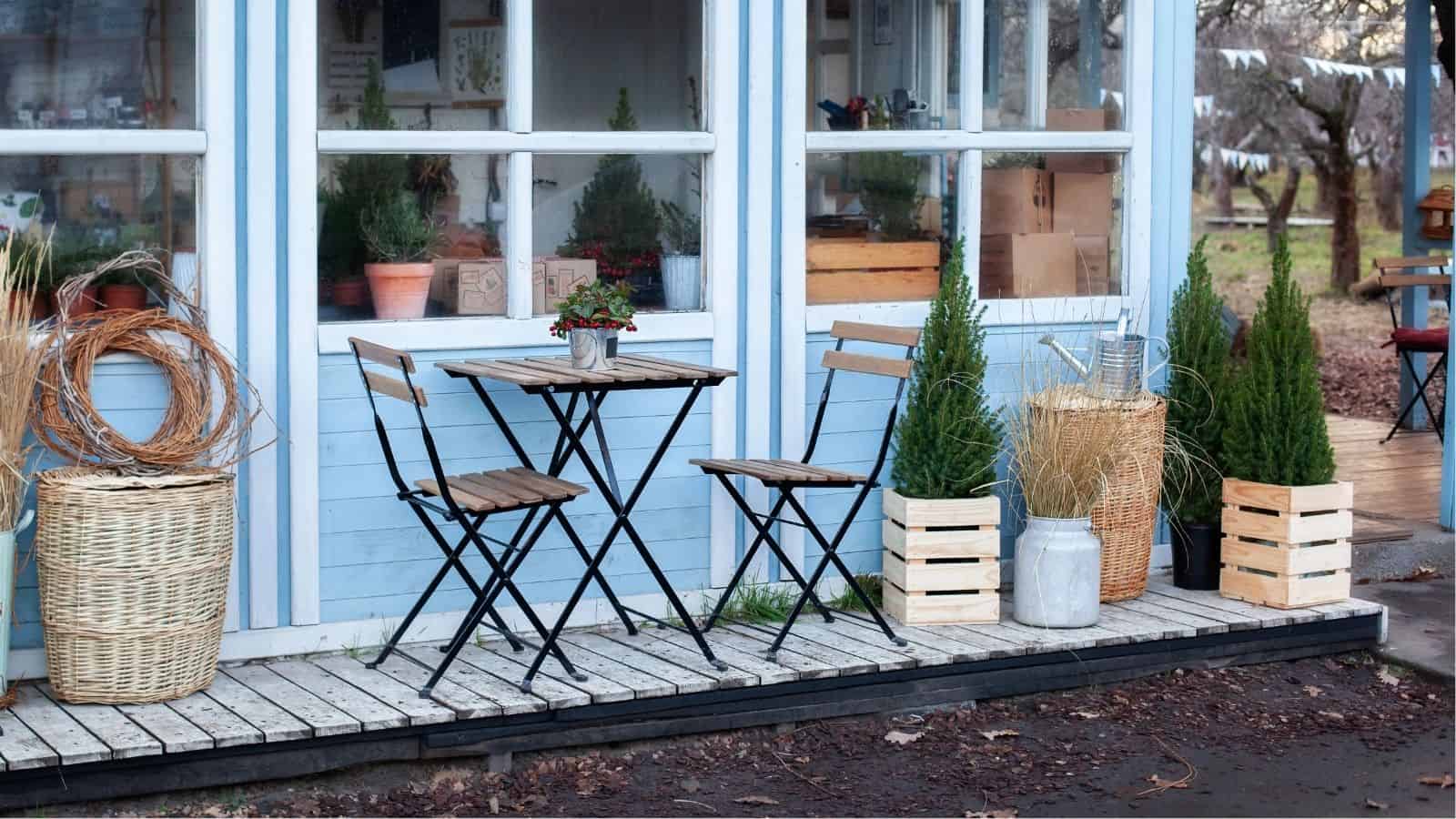
Cold-hardy containers add color and structure to an otherwise sleepy winter garden. They also help protect root systems from deep freezes. When spring arrives, you can transition them easily into seasonal displays.
Bird-Friendly Features

Leaving seed heads or adding feeders supports local wildlife during the lean winter months. Birds provide natural pest control by eating overwintering insects. Encouraging them now leads to a healthier garden ecosystem come spring.
Preparing your garden now means less stress and stronger growth when warmer days return. These simple additions help build healthier soil, support wildlife, and lay the foundation for a vibrant spring. A little effort today creates a garden that wakes up ready to thrive.





Comments
No Comments