

Nature’s seasonal pantry is full of treasures—if you know what to look for. Whether you’re new to foraging or already love gathering wild edibles, there are plenty of useful finds available right now.
From herbal remedies to flavorful ingredients, these 10 wild-growing plants are worth seeking out this season.
Wild Blackberries

Jump to a Section
Sweet, juicy, and packed with antioxidants, wild blackberries are easy to spot in thickets and field edges. Just watch out for thorns—and don't forget to leave some for the birds.
Dandelion Greens

Often seen as weeds, dandelions are actually nutrient powerhouses. Pick the young leaves for salads, or use the roots and flowers for teas and tonics.
Pine Tips

Bright green pine tips have a citrusy flavor and are rich in vitamin C. They make great infusions for tea or syrups and add a woodland twist to recipes.
Chicken of the Woods Mushrooms

This bright orange fungus grows on trees and tastes remarkably like chicken when cooked. Make sure it’s fresh, bug-free, and correctly identified before harvesting.
Lamb’s Quarters

Sometimes called wild spinach, lamb’s quarters are mild, tender, and easy to sauté. Look for their dusty-looking leaves near gardens or disturbed soil.
Wild Garlic

Wild garlic or ramps give off a pungent, oniony scent and flavor. Use them in place of scallions or leeks—but forage responsibly, as they grow slowly.
Plantain (Not the Banana)

This common lawn plant soothes bites and scrapes when used as a poultice. The young leaves are also edible and can be tossed into salads or soups.
Acorns

If you're up for a bit of prep, acorns from oak trees can be leached and ground into flour. They're a traditional foraged food that's rich in complex carbs.
Yarrow
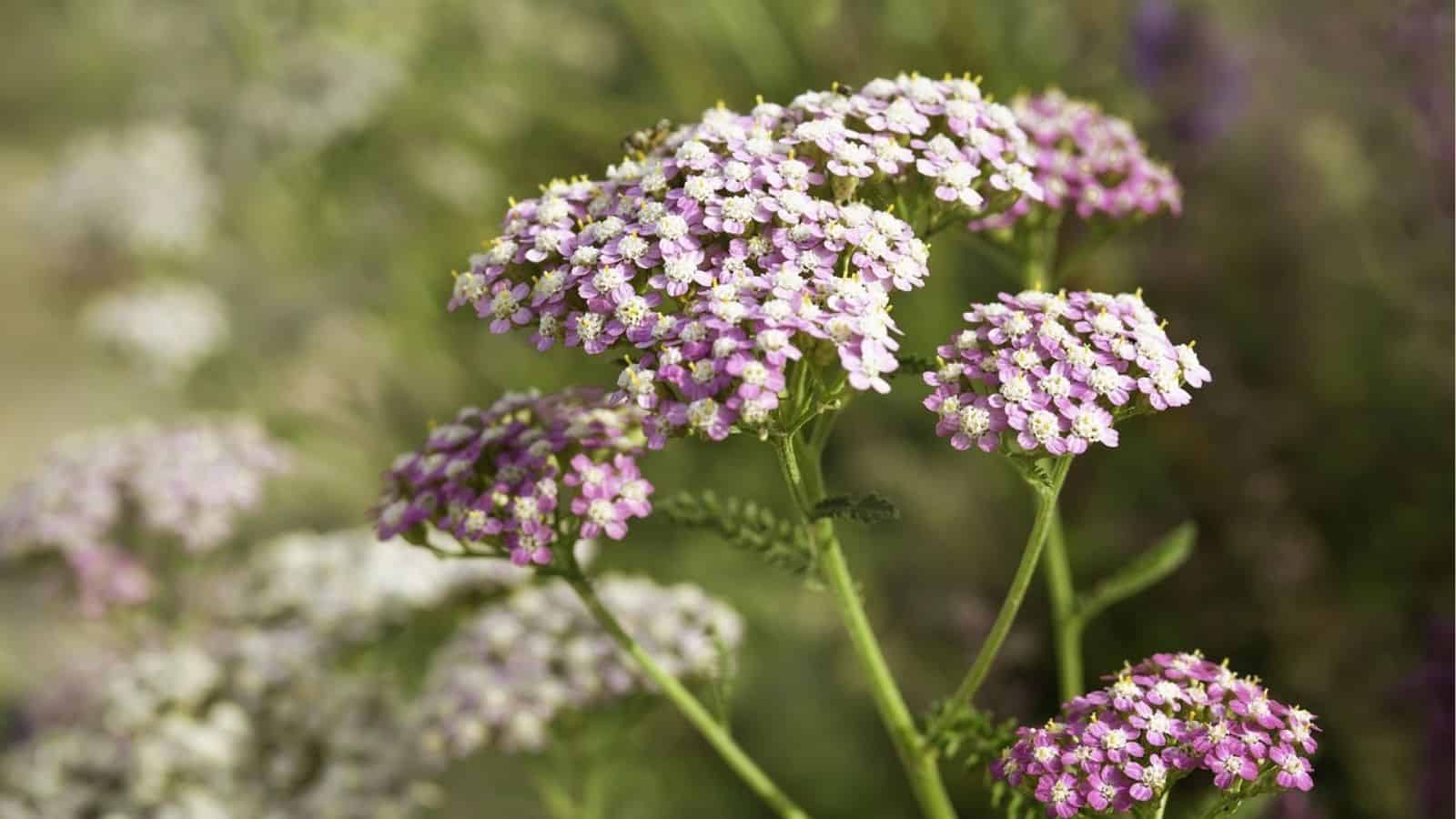
This lacy, white-flowered herb is known for its anti-inflammatory and wound-healing properties. It’s also a great pollinator plant if you leave some behind.
Red Clover

Red clover blossoms can be steeped into a calming tea and are said to support hormone balance. They grow wild in sunny meadows and roadsides.
With a good guide and a bit of curiosity, your neighborhood becomes a source of free, seasonal abundance. Just remember to forage responsibly—leave enough behind, avoid sprayed areas, and always double-check your IDs.





Comments
No Comments