
Not everything marketed to gardeners is essential—or even helpful. In fact, some common products and habits might do more harm than good, especially for beginners.
Before you fill your shed with expensive tools and trendy “must-haves,” check out these 10 things your garden probably doesn’t need.
Chemical Fertilizers

Jump to a Section
They promise quick results, but synthetic fertilizers can degrade soil health over time. Compost, worm castings, and organic feeds offer slower but more sustainable nourishment. Your plants (and the planet) will thank you.
Landscape Fabric

It seems like a weed-blocking miracle, but it often causes more problems than it solves. Over time, weeds grow through it, and the fabric prevents water and air from reaching the soil. Mulch is a better, more breathable alternative.
Decorative Pebble Mulch
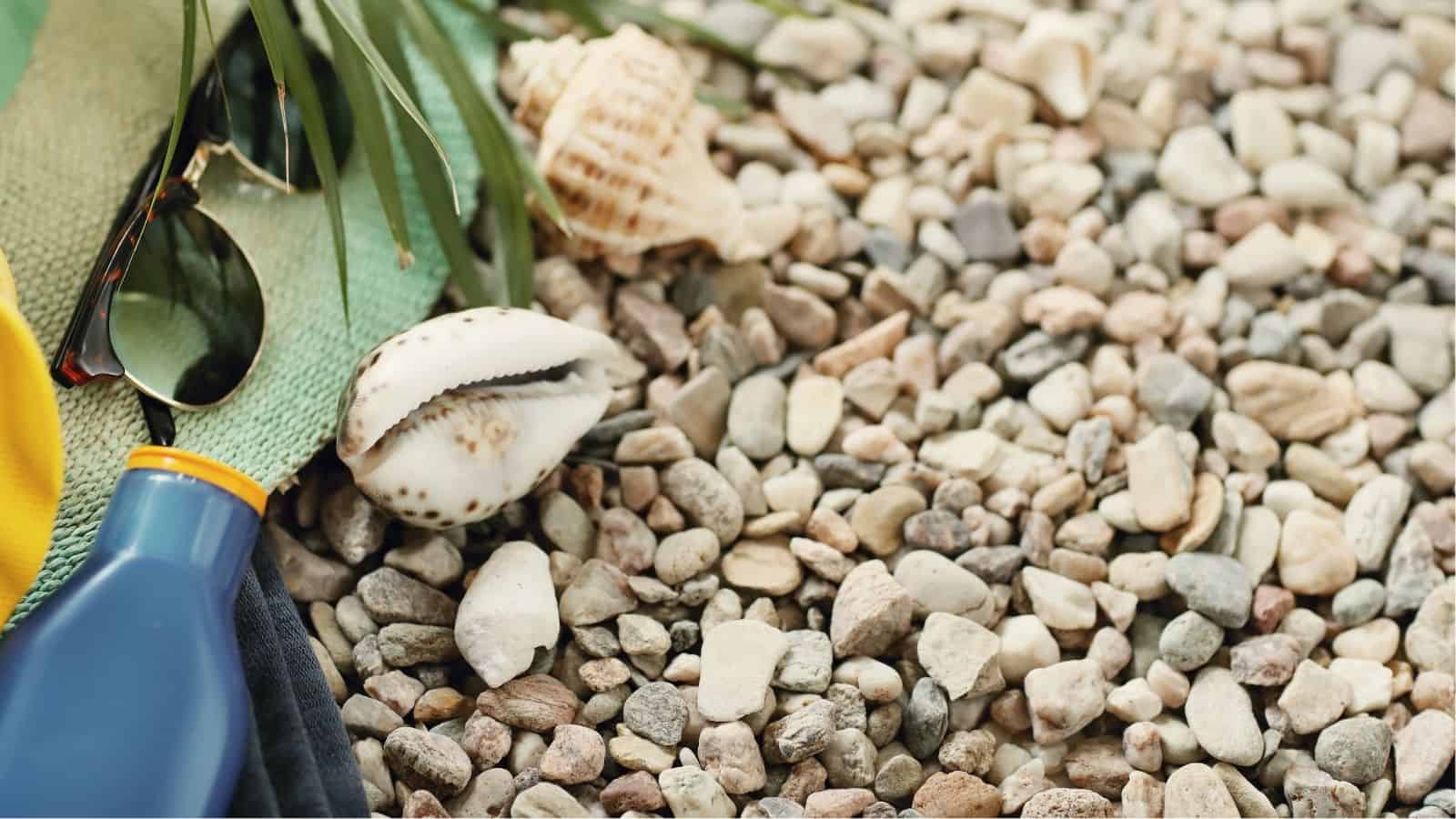
Looks nice—but often traps heat, hinders water absorption, and provides no nutrients. Organic mulches like straw, bark, or shredded leaves are cheaper and better for your soil.
Daily Watering

Unless you’re dealing with new seedlings or extreme heat, daily watering can lead to shallow root systems. Deep, less frequent watering encourages stronger, drought-resistant plants. Let the soil dry out a bit between sessions.
Fancy Planters

Trendy pots can be pricey, but they’re not necessary. Upcycled containers—like buckets, crates, or old kitchenware—can work just as well and add charm. As long as there’s good drainage, your plants won’t care.
Constant Tilling

It may feel productive, but tilling too often can disrupt soil structure and microbial life. No-dig gardening methods help preserve soil health while reducing weeds and work.
Pesticide Sprays

Broad-spectrum sprays harm more than just pests—they also take out beneficial insects like bees and ladybugs. Try companion planting, physical barriers, or homemade deterrents instead.
Garden Decor Overload

A few whimsical touches are fun, but too many can clutter your space and take attention away from your plants. Focus on function first, then add pieces that truly bring you joy.
pH Test Kits for Every Bed

While soil pH can matter, most home gardens thrive without constant testing. Unless you're growing very specific crops (like blueberries), a balanced, compost-rich soil usually does the trick.
Store-Bought Seed Starters

Peat pods and plastic trays add up fast, and many end up in landfills. Toilet paper rolls, eggshells, and yogurt cups make great, free alternatives for starting seeds.
The best gardens aren’t built on gadgets—they’re built on good soil, smart habits, and a little patience. Skip the hype and stick to what really works. Your garden—and your wallet—will grow better for it.


Comments
No Comments