

Thrifty gardeners know that a thriving garden doesn’t have to come with a big price tag—just a bit of creativity and resourcefulness. By saving and reusing everyday items, they reduce waste while stretching their garden budget farther.
These smart habits make gardening more sustainable, more affordable, and even more rewarding.
Seed Packets and Envelopes

Jump to a Section
Gardeners reuse empty seed packets and small envelopes to store seeds from their own plants. The packages are lightweight, easy to label, and perfect for organizing varieties by season. It’s a simple habit that keeps next year’s planting tidy and inexpensive.
Glass Jars for Storage
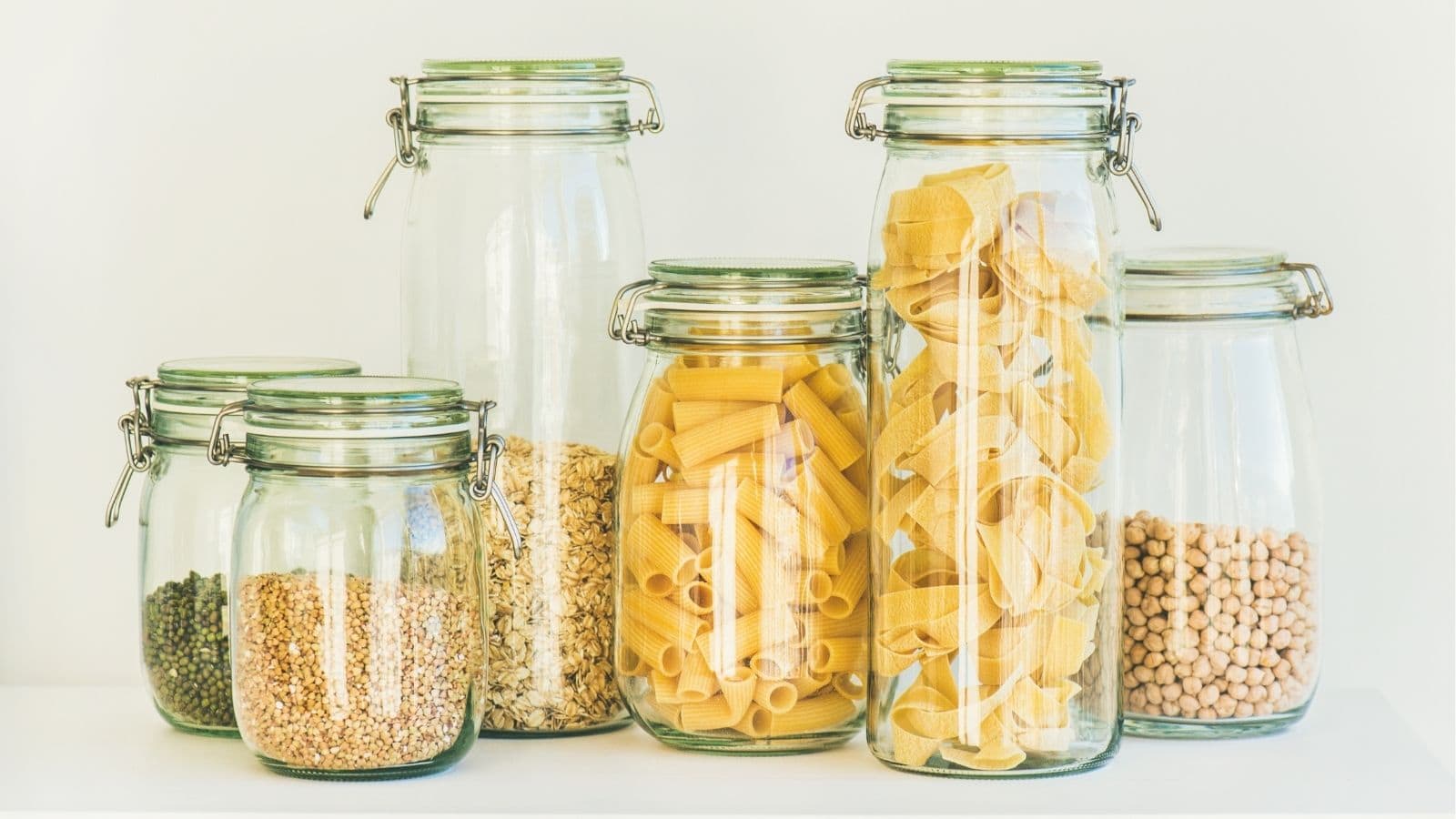
Old glass jars are perfect for storing dried herbs, seeds, and homemade fertilizers. They seal tightly and keep moisture out, which protects valuable garden supplies. Thrifty gardeners never throw away a jar if it can serve another purpose.
Plastic Nursery Pots

Instead of buying new containers each season, gardeners wash and reuse nursery pots. These lightweight pots are ideal for starting seedlings and transplanting young plants. A quick cleaning keeps them in good shape for years.
Cardboard Boxes for Weed Control

Cardboard makes an excellent biodegradable weed barrier. When layered under mulch, it breaks down naturally while smothering unwanted growth. It’s a free and effective way to improve soil health over time.
Eggshells for Soil Enrichment

Eggshells are saved, crushed, and added to soil for a boost of calcium. They help strengthen plants like tomatoes and peppers. Using them means one less thing going into the trash.
Kitchen Scraps for Compost

Vegetable peels, coffee grounds, and fruit scraps become valuable compost materials. Thrifty gardeners understand that these leftovers enrich soil and reduce waste. It turns everyday kitchen habits into garden gold.
Rainwater in Buckets or Barrels

Collecting rainwater is an easy way to reduce water bills and support the garden naturally. Gardeners use buckets, basins, or barrels to catch runoff from roofs or gutters. This soft, untreated water is loved by plants.
Twine and String From Packages

Any bit of twine or string from deliveries is saved for tying plants to stakes. It’s strong enough to support growth yet gentle enough not to damage stems. These small, frugal habits add up over time.
Old Towels and Fabric Scraps
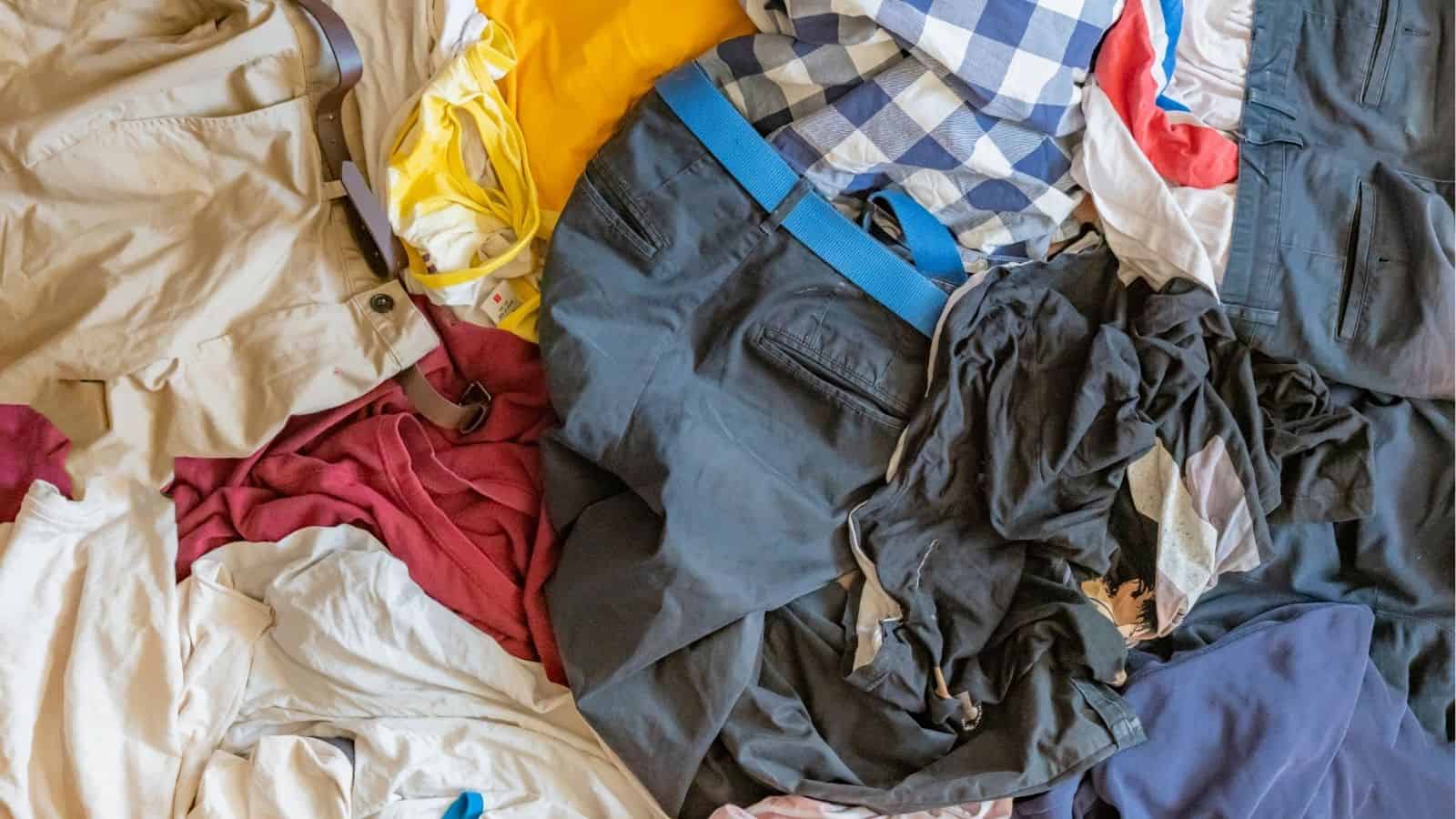
Worn-out towels and fabric pieces become soft ties for delicate plants. The material is gentle and won’t cut into stems like wire or rigid ties. It’s a clever way to reuse household textiles.
Broken Pots for Drainage

Even broken terra-cotta pots get a second life in thrifty gardens. The shards are placed at the bottom of larger pots to improve drainage. It keeps soil healthy while reducing unnecessary waste.
Newspaper for Seed Starting

Newspapers are rolled or folded into small pots for starting seeds. They hold soil well and are fully biodegradable. When planted, the paper breaks down naturally without disturbing roots.
Plastic Bottles as Mini Greenhouses
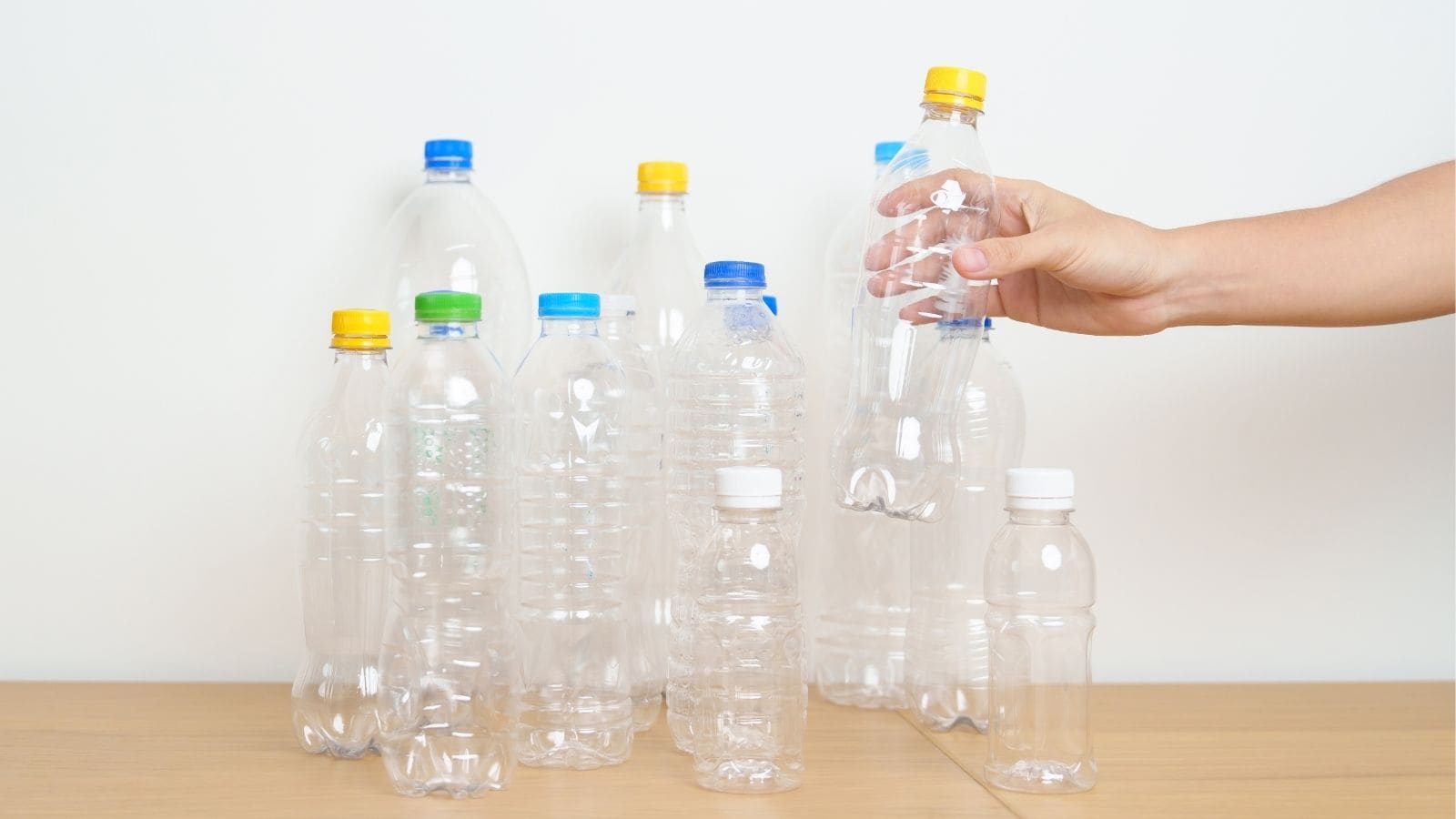
Cut plastic bottles create quick, effective cloches for young plants. They trap warmth and protect seedlings from harsh weather. It’s a low-cost way to extend the growing season.
Wine Corks for Garden Markers

Corks make durable, weather-resistant labels for garden beds. A simple skewer or stick turns them into easy-to-read markers. It adds a rustic touch while saving money on store-bought options.
Old Buckets and Containers

Buckets that would otherwise be thrown out become planters, tool holders, or water carriers. They’re sturdy and versatile, making them a favorite among thrifty gardeners. With a little creativity, almost any container has potential.
Fallen Leaves for Mulch

Autumn leaves are saved and shredded to use as mulch throughout the year. They enrich soil, retain moisture, and reduce weed growth. Saving them creates a valuable gardening resource at no cost.
Saving and reusing everyday items is one of the simplest ways to garden sustainably and affordably. These thrifty habits turn ordinary household materials into valuable tools that support a healthier garden. With a little creativity, each season becomes easier, cheaper, and more rewarding.



Comments
No Comments