

Long winter evenings have always invited slower, hands-on traditions. Before screens and schedules filled every moment, people gathered indoors to create, mend, and make by lamplight. These quiet crafts brought warmth, purpose, and comfort to the cold season.
These 15 traditional crafts are well suited to winter evenings. Each one offers a calming rhythm that turns darkness into something deeply satisfying.
Knitting

Jump to a Section
Knitting has long been a winter staple for warmth and practicality. The repetitive motion is calming and easy to pick up in the evening. It produces cozy items that are used all season long.
Crochet

Crochet allowed households to create blankets, clothing, and decorative pieces. Its simple stitches make it ideal for relaxed evenings. The craft offers both creativity and function.
Hand Sewing

Hand sewing was used for mending, hemming, and small projects. It required little equipment and plenty of patience. Winter evenings were often spent repairing clothes for the year ahead.
Embroidery
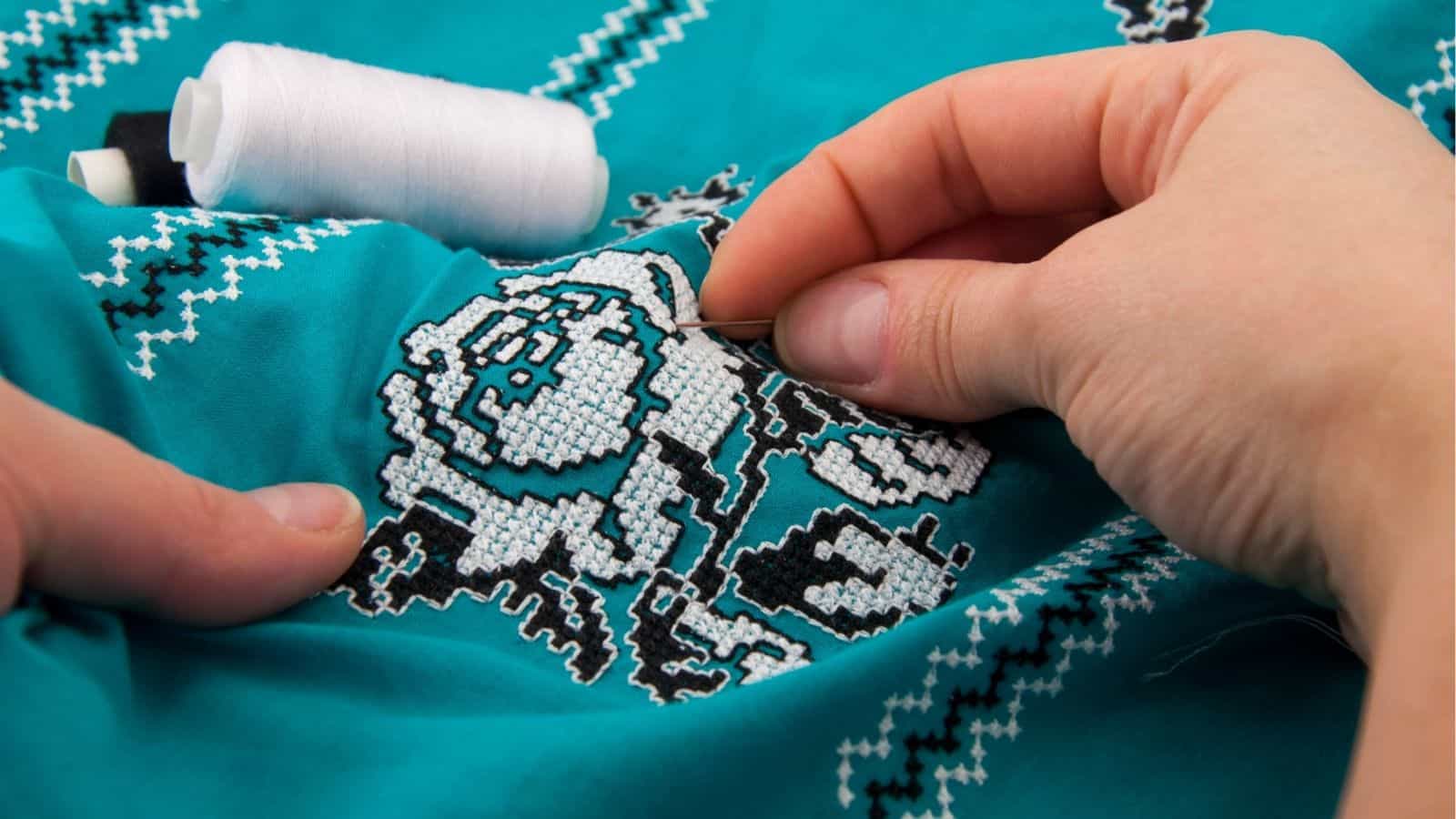
Embroidery added beauty to household linens and garments. Its detailed work encouraged focus and mindfulness. Many patterns were passed down through generations.
Quilting
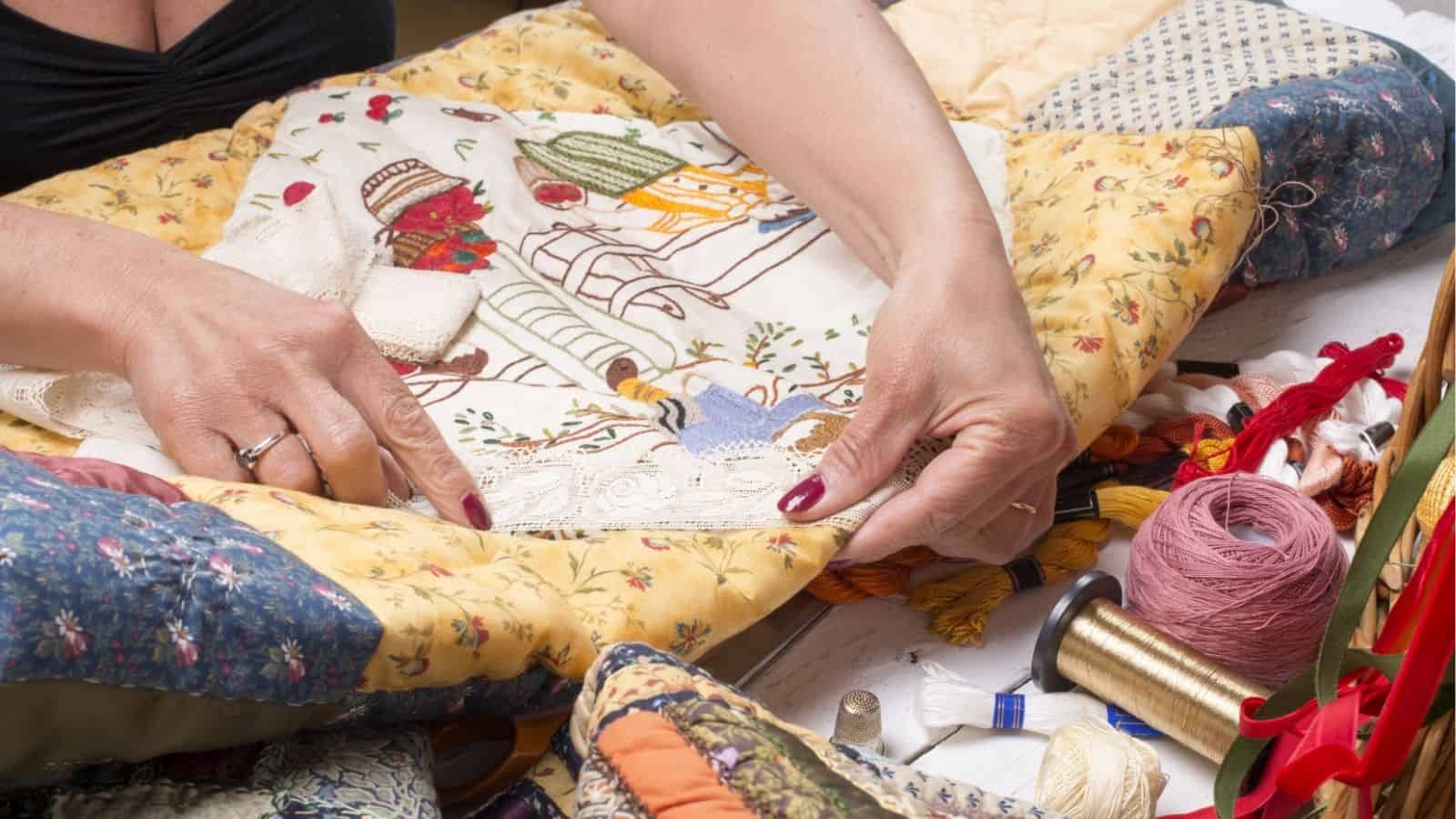
Quilting brought families together around shared projects. Each square carried memory, meaning, or practicality. Winter was the ideal season for assembling and stitching layers.
Candle Making

Candle making provided essential light during dark months. It was both a practical skill and a comforting ritual. The warm glow made winter nights feel inviting.
Weaving
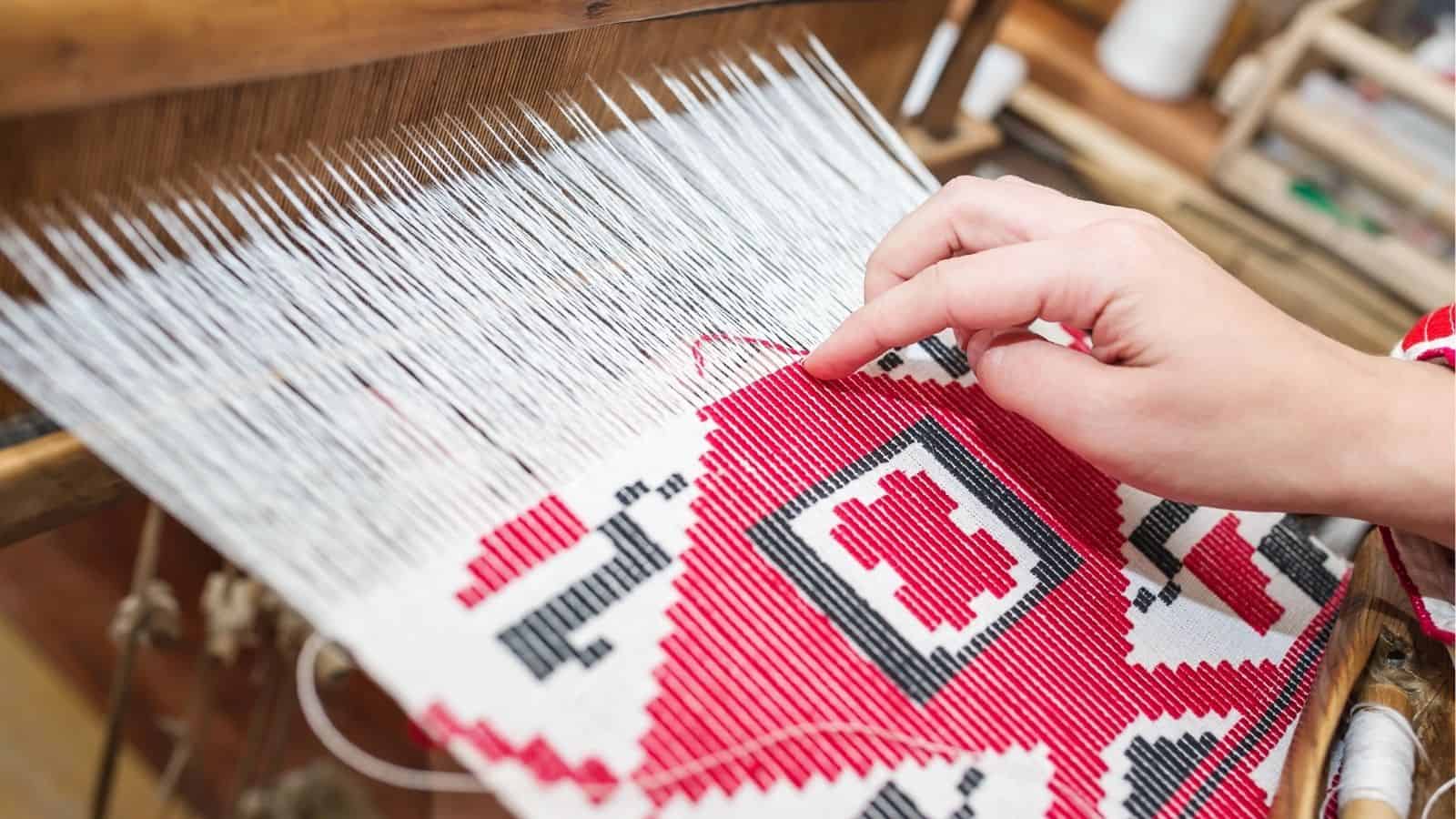
Weaving turned fibers into cloth for daily use. Loom work required steady attention and patience. Winter evenings allowed time for this slow, rewarding process.
Basket Weaving
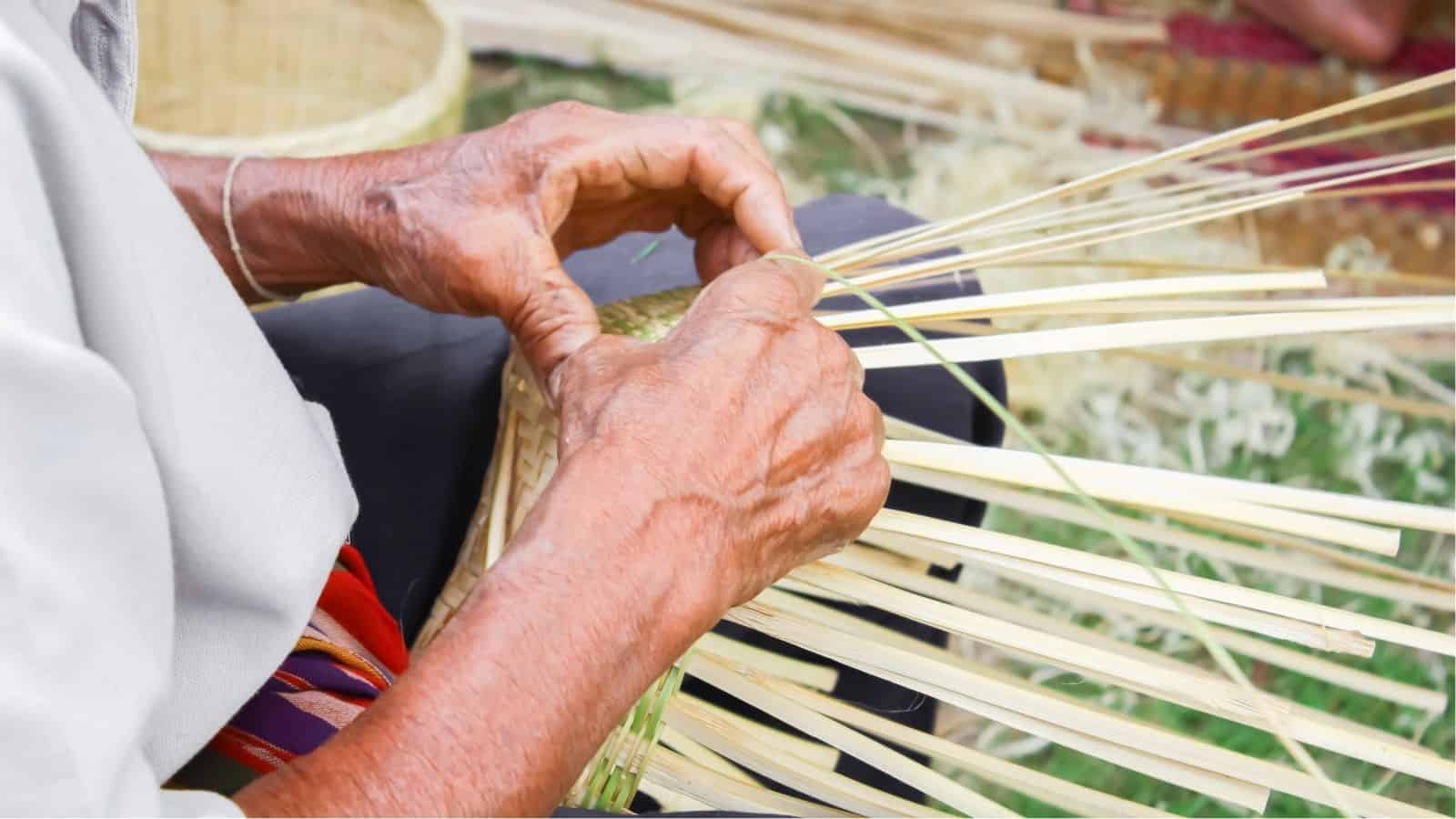
Basket weaving used natural materials like reeds and willow. It created useful storage and carrying items. The craft connected people to seasonal materials gathered earlier in the year.
Wood Carving
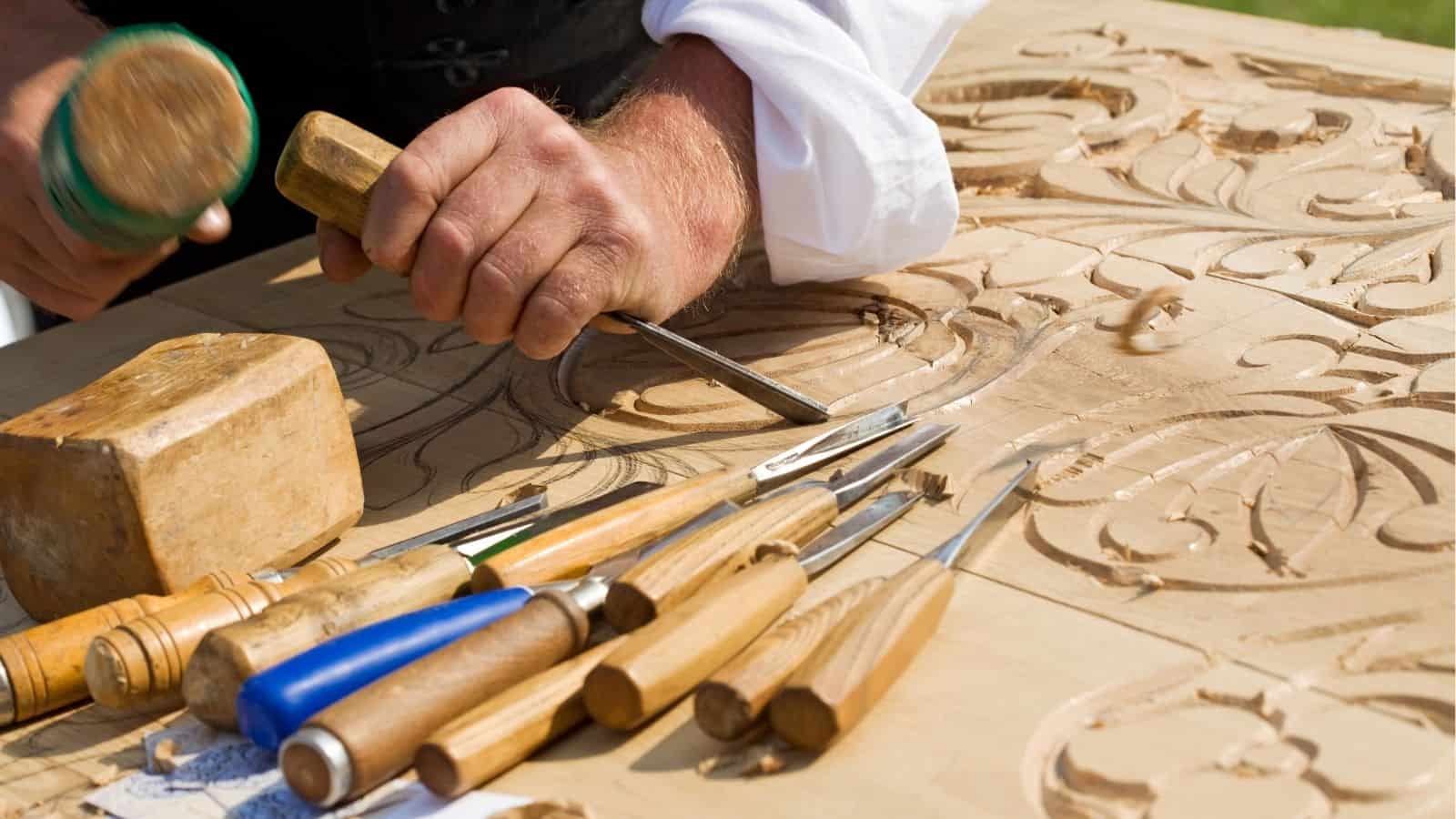
Wood carving transformed simple tools and scrap wood into functional objects. Winter evenings were ideal for shaping small pieces indoors. The craft emphasized skill and simplicity.
Spinning Wool
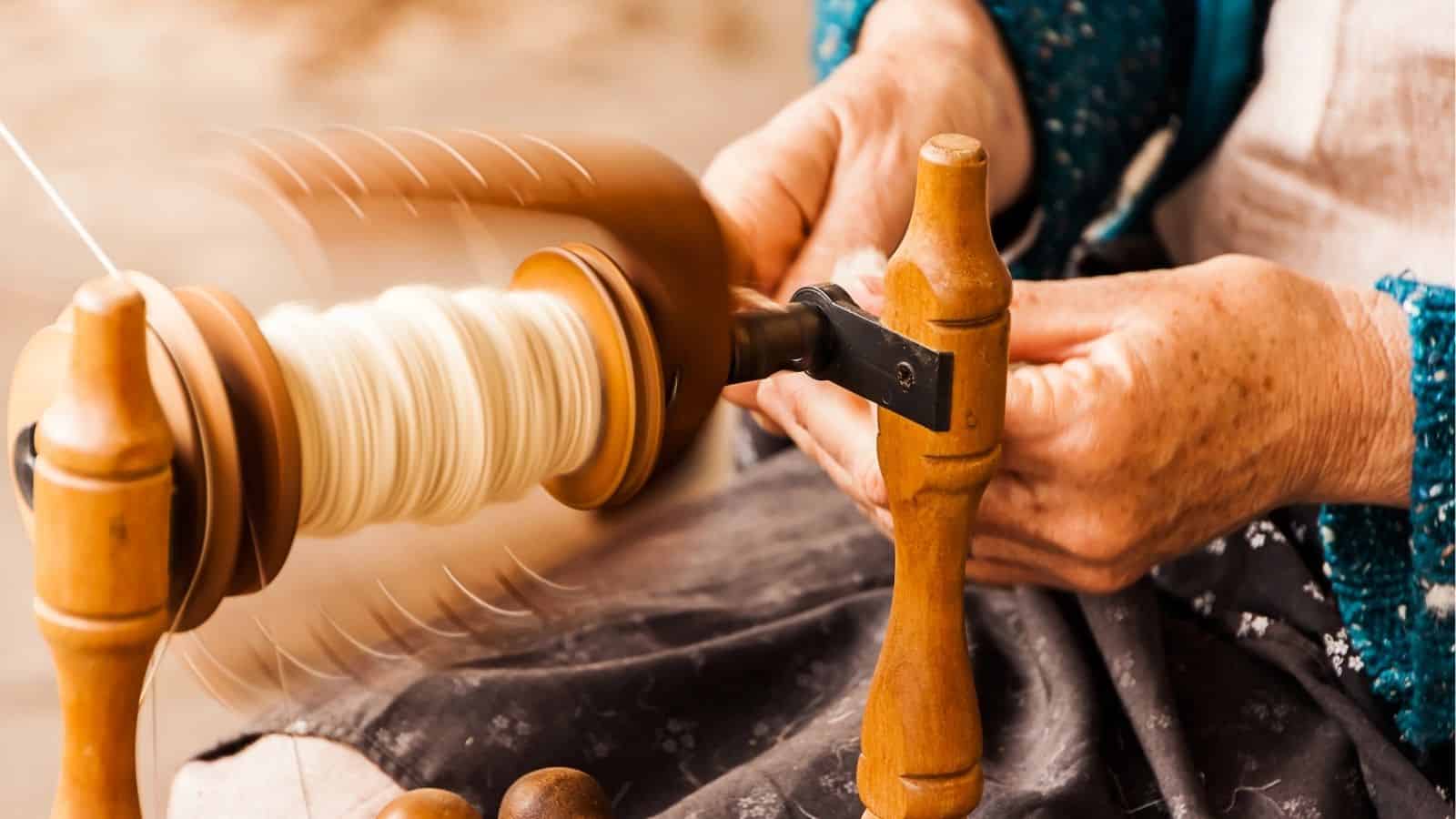
Spinning wool prepared yarn for knitting and weaving. The gentle rhythm of the wheel was soothing. It was often done by firelight during winter months.
Paper Crafting
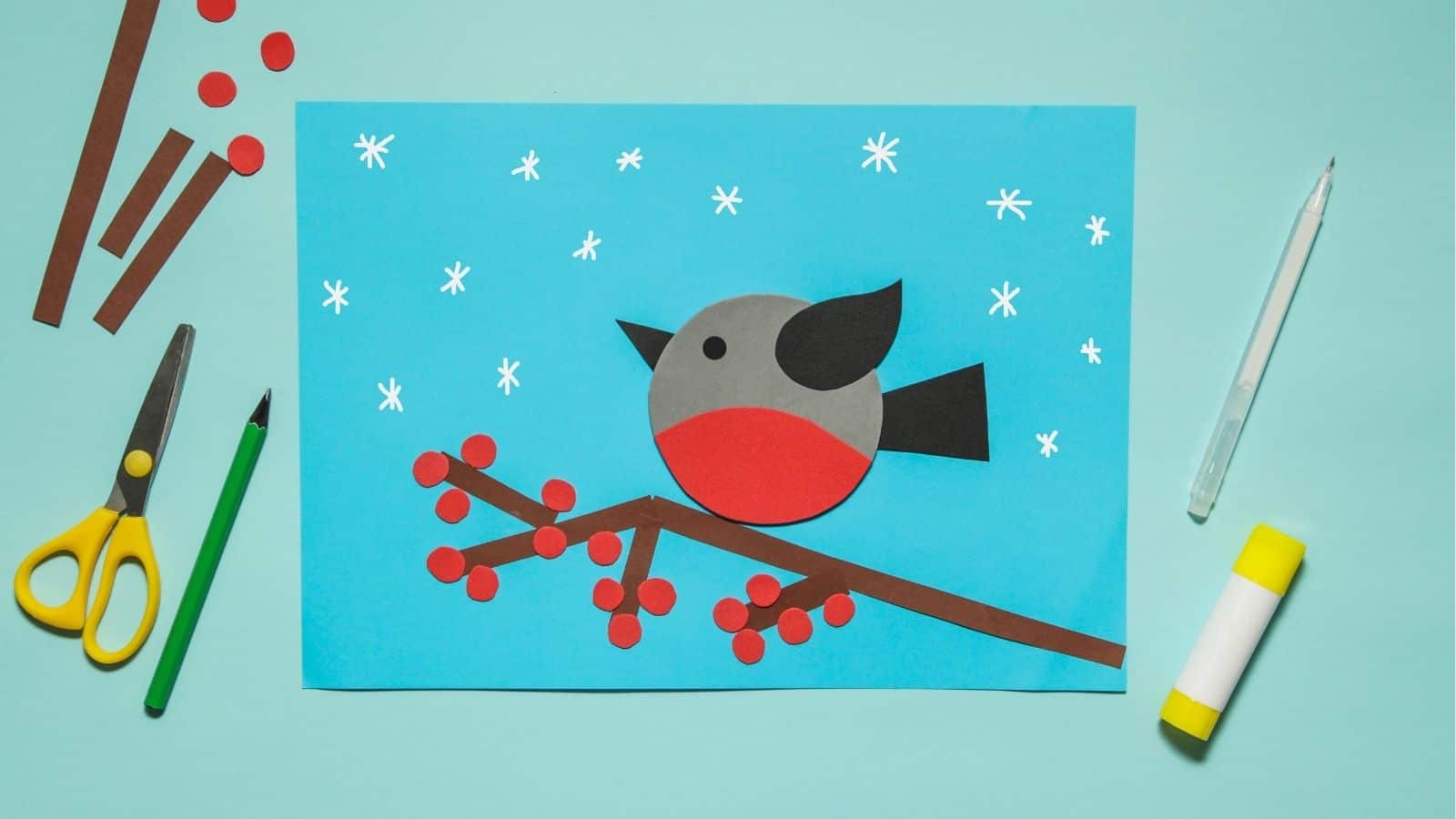
Paper crafts included cutting, folding, and decorative designs. They were accessible and inexpensive. Winter evenings offered time for careful, creative work.
Natural Dyeing
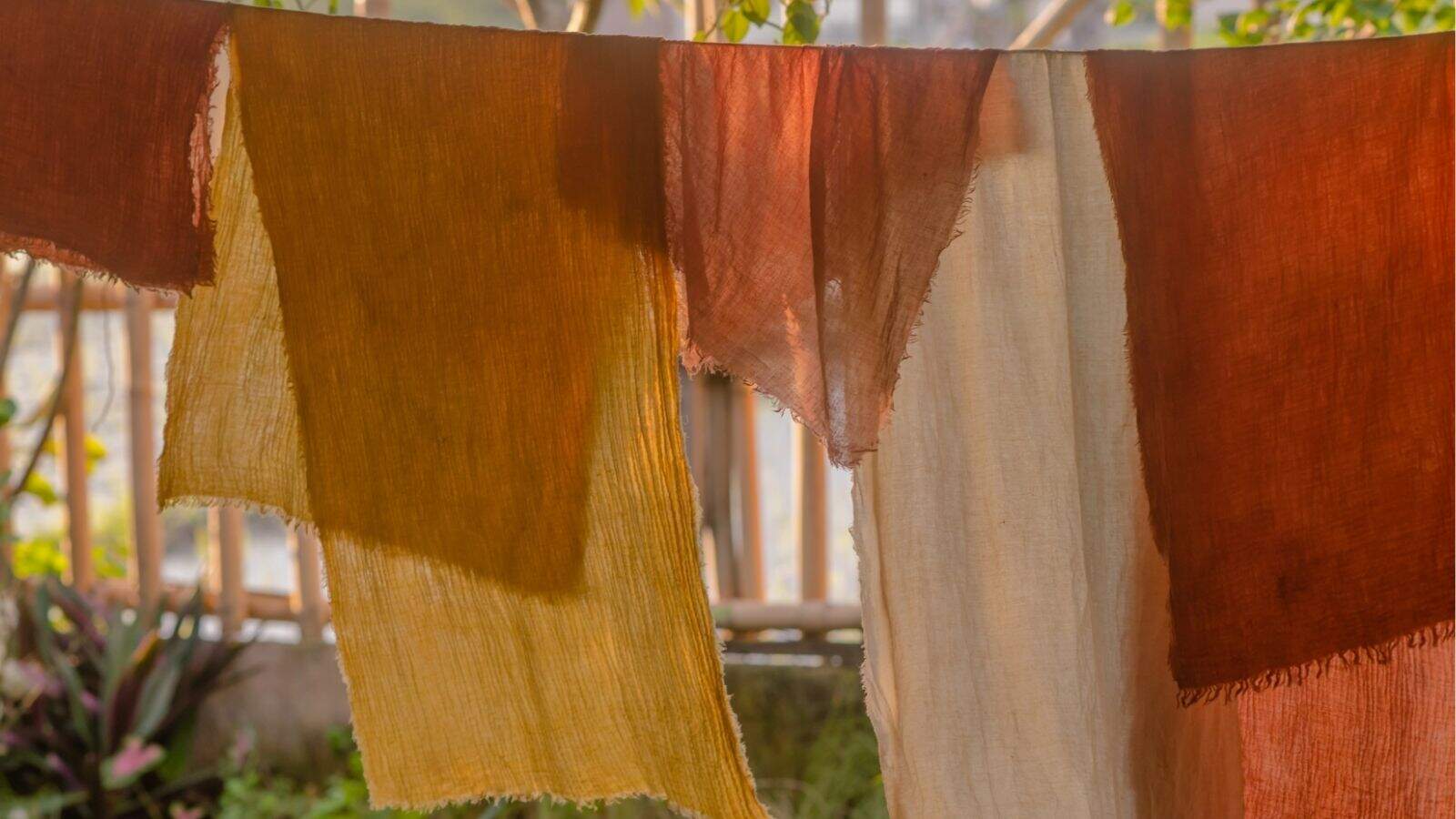
Natural dyeing used plants, roots, and bark collected throughout the year. Winter allowed time to experiment with colors. The process connected craft to the natural world.
Rug Hooking
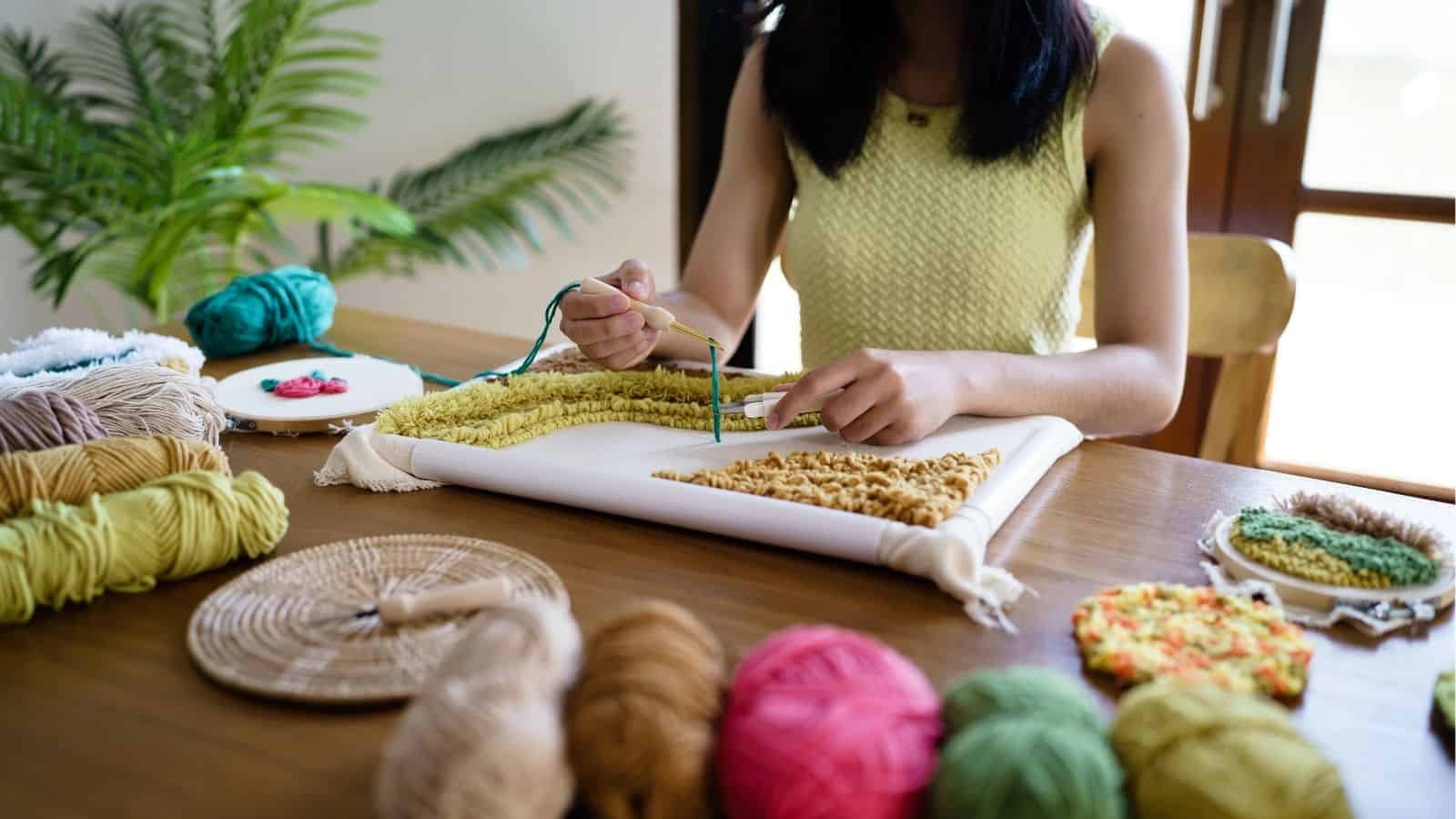
Rug hooking repurposed fabric scraps into sturdy floor coverings. It was both thrifty and creative. Many rugs told stories through color and pattern.
Bookbinding
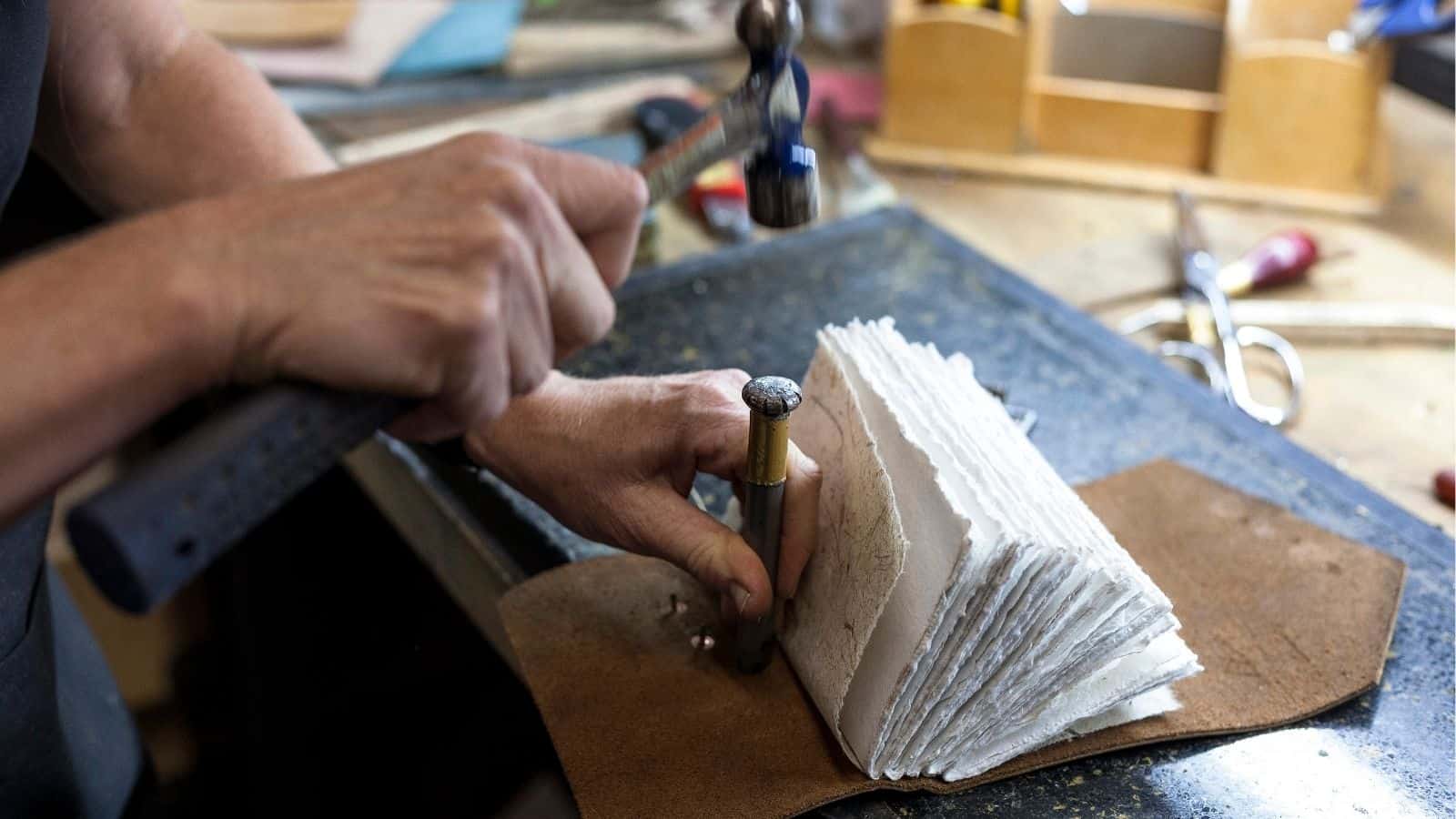
Bookbinding repaired worn books or created journals. It required focus and gentle precision. Winter evenings offered the quiet needed for such detailed work.
Soap Making

Soap making turned simple ingredients into useful household items. It often included herbs or oils prepared earlier in the year. The craft blended practicality with care.
Traditional winter crafts slow the pace of long evenings and invite creativity back into daily life. They remind us that winter was once a season for making, not just waiting.





Comments
No Comments