

Growing herbs indoors is a simple way to enjoy fresh flavor all year long. With the right setup, your kitchen or windowsill can become a miniature garden that stays lush through every season.
A few smart techniques can help your herbs grow fuller, healthier, and more productive. These 15 tricks will guide you in creating an indoor herb garden that truly thrives. With just a little effort, you’ll have fragrant, flavorful herbs ready whenever you need them.
Choose the Right Herbs for Indoors

Jump to a Section
Some herbs grow better indoors than others. Basil, parsley, mint, chives, thyme, and oregano adapt well to indoor conditions. Starting with these ensures faster success and less frustration.
Give Herbs Plenty of Light
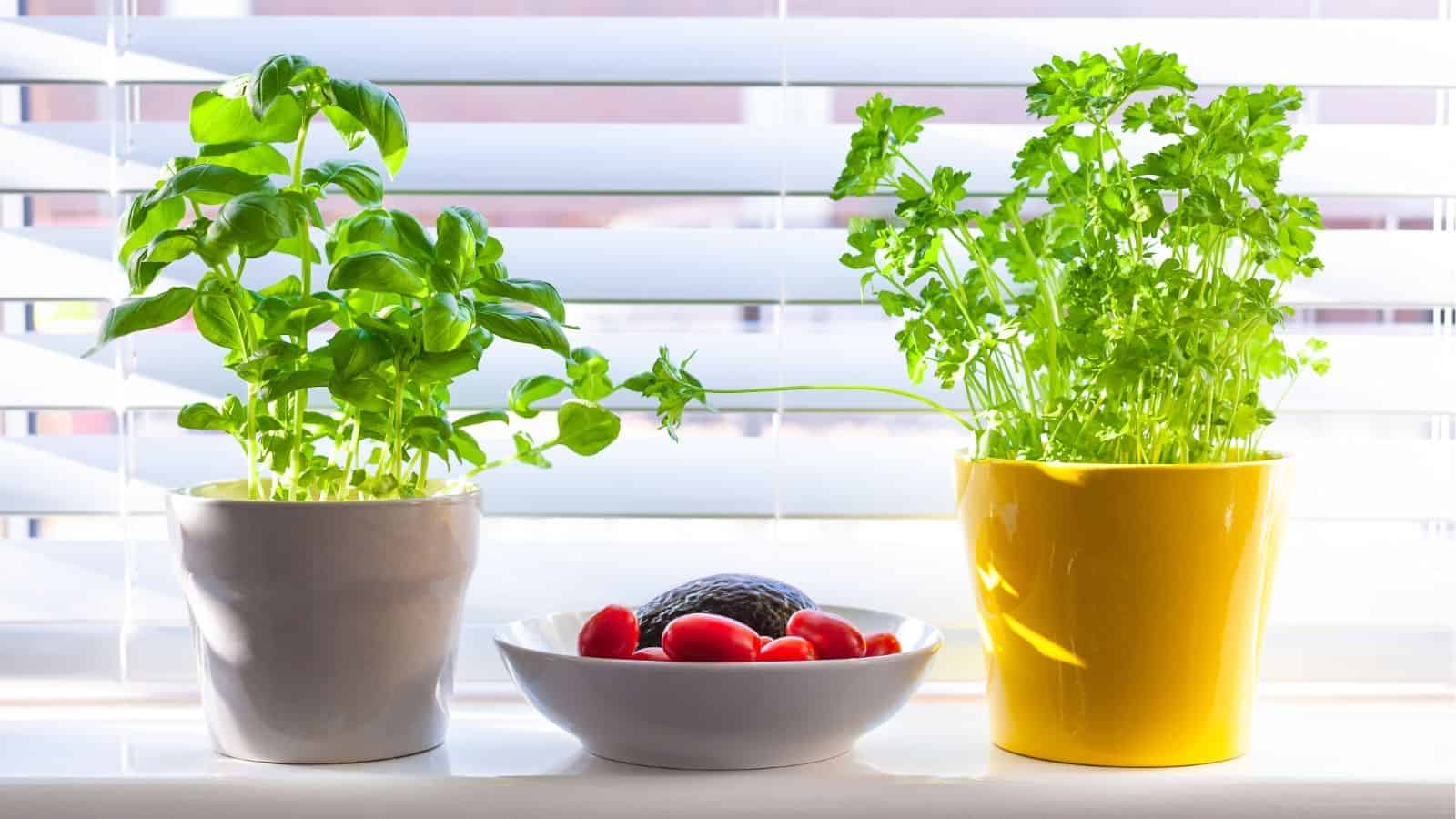
Most herbs need at least 6 hours of sunlight daily. A bright south-facing window is ideal for strong growth. If natural light is limited, a simple grow light setup keeps herbs thriving.
Use Well-Draining Potting Mix

Good soil prevents soggy roots and promotes healthier plants. A lightweight, well-draining mix designed for containers works best. This helps keep roots oxygenated and prevents rot.
Pick Containers with Drainage Holes

Proper drainage is essential for indoor herbs. Without it, water quickly builds up and harms the roots. Choose pots that allow excess water to escape freely.
Water Correctly and Consistently

Herbs prefer evenly moist soil—never soaked. Water when the top inch of soil feels dry. Consistent watering encourages strong root development and steady growth.
Rotate Herb Pots Weekly

Plants naturally grow toward light, so rotating pots prevents leaning. This leads to sturdier stems and even growth. A simple weekly turn keeps herbs balanced and full.
Maintain Good Air Circulation

Air circulation helps prevent mold, mildew, and pests. A gentle fan on low can mimic a natural breeze. Better airflow leads to stronger, more resilient plants.
Don’t Overcrowd Your Herbs

Each herb needs space to spread out. Crowding creates competition for light and nutrients. Give each plant its own pot or ensure enough spacing in shared containers.
Feed Herbs Lightly

Indoor herbs benefit from occasional feeding. A diluted, all-purpose liquid fertilizer every few weeks keeps them vibrant. Light feeding supports steady, healthy growth.
Trim Herbs Regularly

Frequent trimming encourages bushier growth and prevents plants from getting leggy. Harvesting from the top helps herbs focus on new leaves. Regular pruning keeps flavor strong and plants productive.
Keep Herbs Away from Drafts
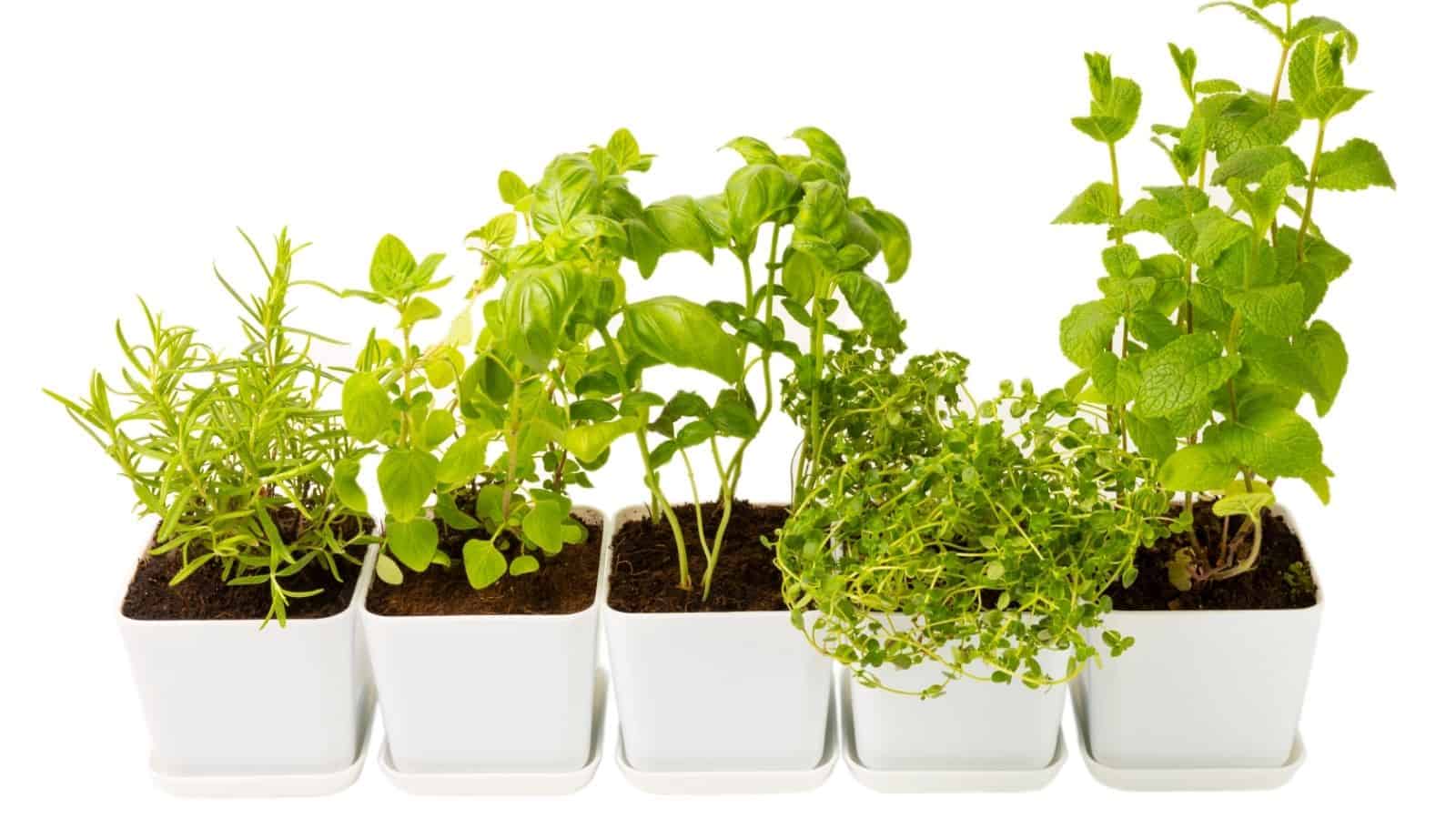
Cold drafts from windows or vents can stunt herb growth. Maintaining stable temperatures helps them stay healthy. Place them where they won’t experience sudden chills.
Group Herbs with Similar Needs Together

Some herbs prefer drier soil, while others like more moisture. Grouping similar plants makes care easier. This approach simplifies watering and reduces maintenance mistakes.
Mist Herbs that Prefer Humidity

Herbs like basil and parsley enjoy a bit of humidity. Light misting keeps leaves refreshed in dry indoor air. Just avoid overdoing it to prevent fungal issues.
Check for Pests Frequently

Indoor plants can still attract pests like aphids or spider mites. Inspect leaves often to catch issues early. Quick action prevents small problems from becoming big ones.
Refresh Soil Annually
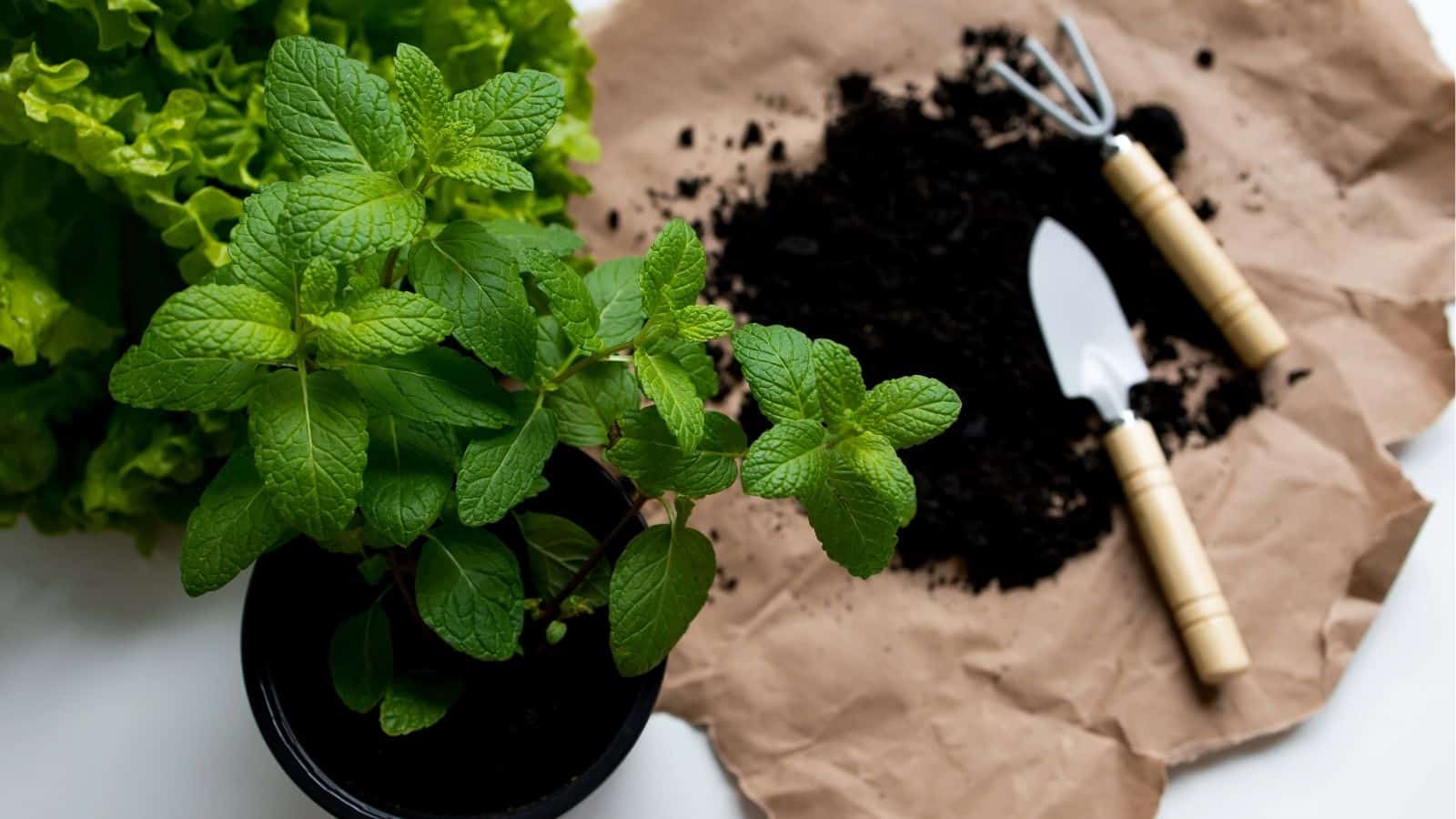
Indoor herbs can deplete nutrients over time. Refreshing the soil once a year revitalizes the plants and helps them grow stronger. It’s a simple step that boosts long-term success.
Indoor herb gardening is one of the easiest ways to bring freshness into your home. With these simple tricks, you can enjoy flavorful, fast-growing herbs that thrive right on your windowsill.



Comments
No Comments