

Regrowing vegetables from kitchen scraps is one of the easiest ways to stretch your grocery budget while cutting down on waste. With just a few jars, pots, and sunny windowsills, you can coax new life out of everyday produce.
It’s a fun, low-maintenance project that keeps fresh greens and herbs within arm’s reach year-round. These simple regrowth methods work beautifully even for beginners. You’ll be amazed at how quickly your scraps come back to life.
Green Onions

Jump to a Section
Green onions are the easiest and fastest vegetables to regrow from scraps. Simply place the white root ends in a glass of water and watch them sprout almost immediately. They’ll continue regrowing for weeks with regular trims.
Lettuce

Place the bottom core of your lettuce in a shallow dish of water and watch new leaves emerge. Change the water every couple of days to keep it fresh and healthy. Once roots form, you can move it into soil for fuller growth.
Celery

Saving the base of a celery bunch gives you a second harvest with little effort. Set it in a shallow bowl of water and keep it in bright light. In a few days, new stalks will start growing from the center.
Bok Choy

The root end of bok choy quickly produces crisp new leaves when soaked in a bit of water. Keep the dish near a window for steady regrowth. Once it strengthens, transplant it into soil to grow a full head.
Leeks

Just like green onions, leeks regrow beautifully from their root stumps. Place them upright in a jar with a little water and change it regularly. They’ll grow tall, flavorful tops perfect for soups and sautés.
Garlic

Garlic cloves that begin to sprout can be planted to grow fresh green garlic. These greens have a mild flavor and can be used like chives. Leave the clove in soil and it will continue producing shoots.
Carrots (Greens)

While you can’t regrow full carrots, you can regrow carrot tops into delicious greens. Place the top slice in a shallow dish with water to encourage leafy growth. These greens are great for pesto, garnishes, or salads.
Basil

Basil stems regrow easily when placed in a glass of clean water. Once roots appear, you can transfer the cutting to a pot for ongoing harvests. This gives you a constant supply of fresh leaves for cooking.
Romaine Hearts

The base of a romaine heart springs back quickly when placed in water. New leaves will start forming within days. For bigger growth, transplant it into soil once roots develop.
Fennel Bulb

A fennel bulb base can regrow its flavorful fronds right from a water dish. Keep it in bright light and refresh the water often. The soft, aromatic greens make great garnishes.
Cilantro
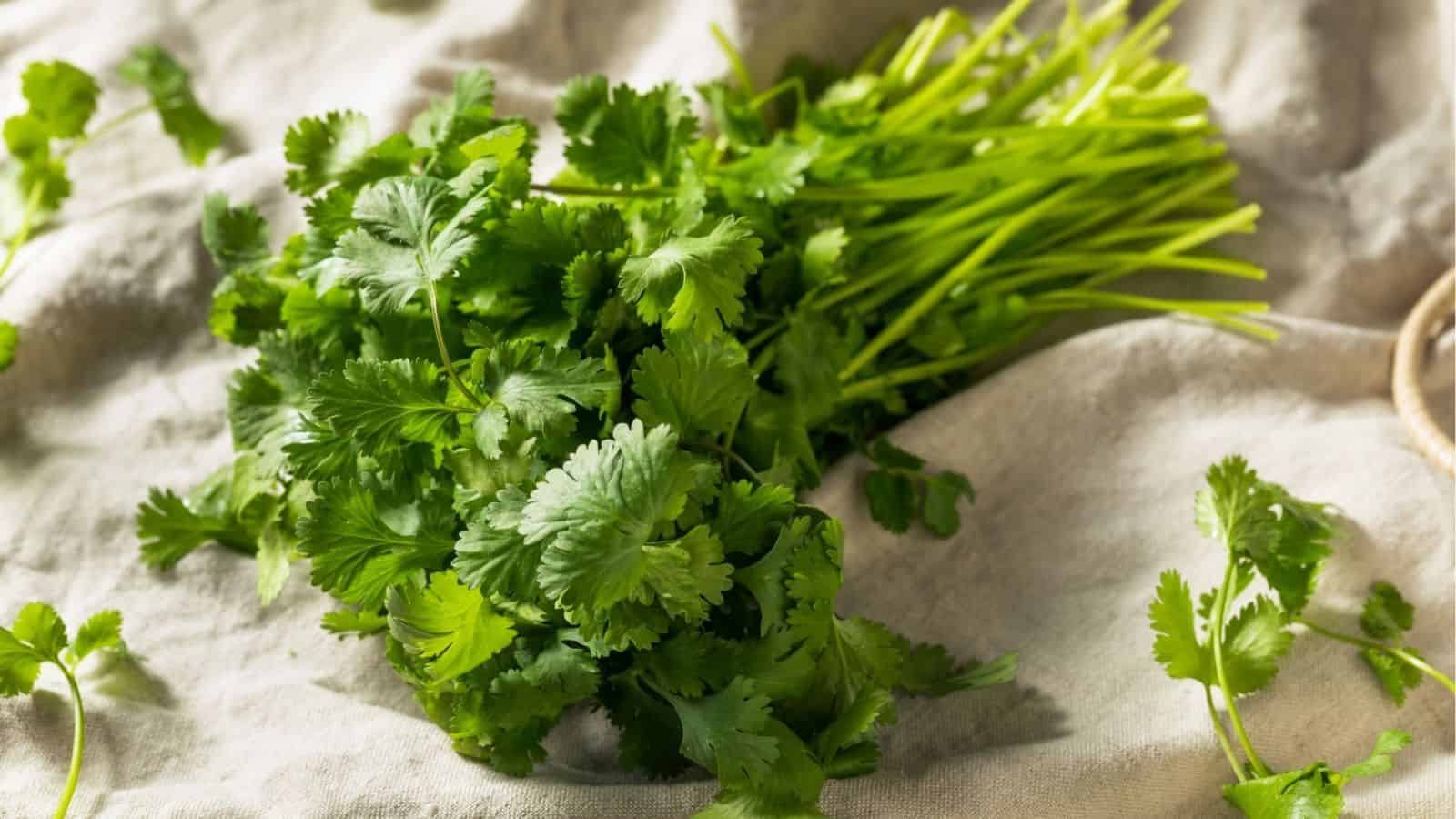
Place cilantro stems in water and they’ll begin to sprout small roots. Once rooted, plant them in soil to keep the herb going for weeks. It’s an easy way to stretch one bunch into many meals.
Ginger

A piece of ginger root will grow new shoots when planted slightly below the soil surface. Keep the soil moist and give it bright, indirect light. Over time, it will form a whole new rhizome you can harvest.
Sweet Potatoes

Suspend a sweet potato half in water using toothpicks to sprout slips. These slips grow into full plants once transferred to soil. Each plant produces multiple new sweet potatoes.
Onions

A leftover onion bottom can regrow into a full onion plant. Simply place it in shallow water to encourage roots, then move it to soil. With time, you’ll get fresh bulbs or green onion-like tops.
Potatoes

Any potato with eyes can be planted to grow a new plant. Cut it into chunks with at least one sprout each, then let them dry before planting. These pieces will grow into full potato plants that produce multiple new tubers.
Regrowing vegetables from kitchen scraps is a satisfying way to create new food with almost no effort. Try a few of these simple methods and enjoy fresh, homegrown produce all year long.





Comments
No Comments