
• Skip to main content
  • Skip to primary sidebar

Schisandra & Bergamot logo

menu icon
go to homepage
  • Index
  • Subscribe
  • About
  • Contact
  • Videos
    • Facebook
    • Instagram
    • Pinterest
  • subscribe
    search icon
    Homepage link
    • Index
    • Subscribe
    • About
    • Contact
    • Videos
    • Facebook
    • Instagram
    • Pinterest
  • ×
    Home » Trending

    Published: Oct 29, 2025 by Kristen Wood · This post may contain affiliate links. If you make a purchase through links on our site, we may earn a commission. ·

    15 Ways to Cut Household Waste Without Trying Too Hard

    1 shares
    • Facebook
    • Reddit

    Living with less waste doesn’t have to feel overwhelming or complicated. With just a few simple habits and mindful swaps, you can make a big difference in how much your home throws away. These small steps add up to cleaner spaces, less clutter, and a lighter footprint on the planet.

    From reusing what you already have to choosing smarter packaging, these ideas prove that sustainability can be easy and practical. Here are 15 ways to reduce waste—without even trying too hard.

    Keep Reusable Bags Handy

    A person holds a large transparent shopping bag filled with clothes while browsing racks of clothing in a store.
    Photo Credit: webandi/Pixabay

    Tote bags aren’t just for groceries—they’re perfect for quick errands, too. Keep a few by the door or in your car so they’re always within reach. It’s an effortless way to skip single-use plastic every time you shop.

    Swap Paper Towels for Cloths

    Five microfiber cloths in pink, green, yellow, blue, and orange are laid out flat, with one yellow cloth rolled up on the right against a white background.
    Photo Credit: weerapat/Deposit Photos

    Old t-shirts or dish towels work just as well for spills and cleaning. Wash and reuse them instead of tossing out roll after roll. It saves money and keeps waste out of landfills.

    Use Glass Jars for Storage
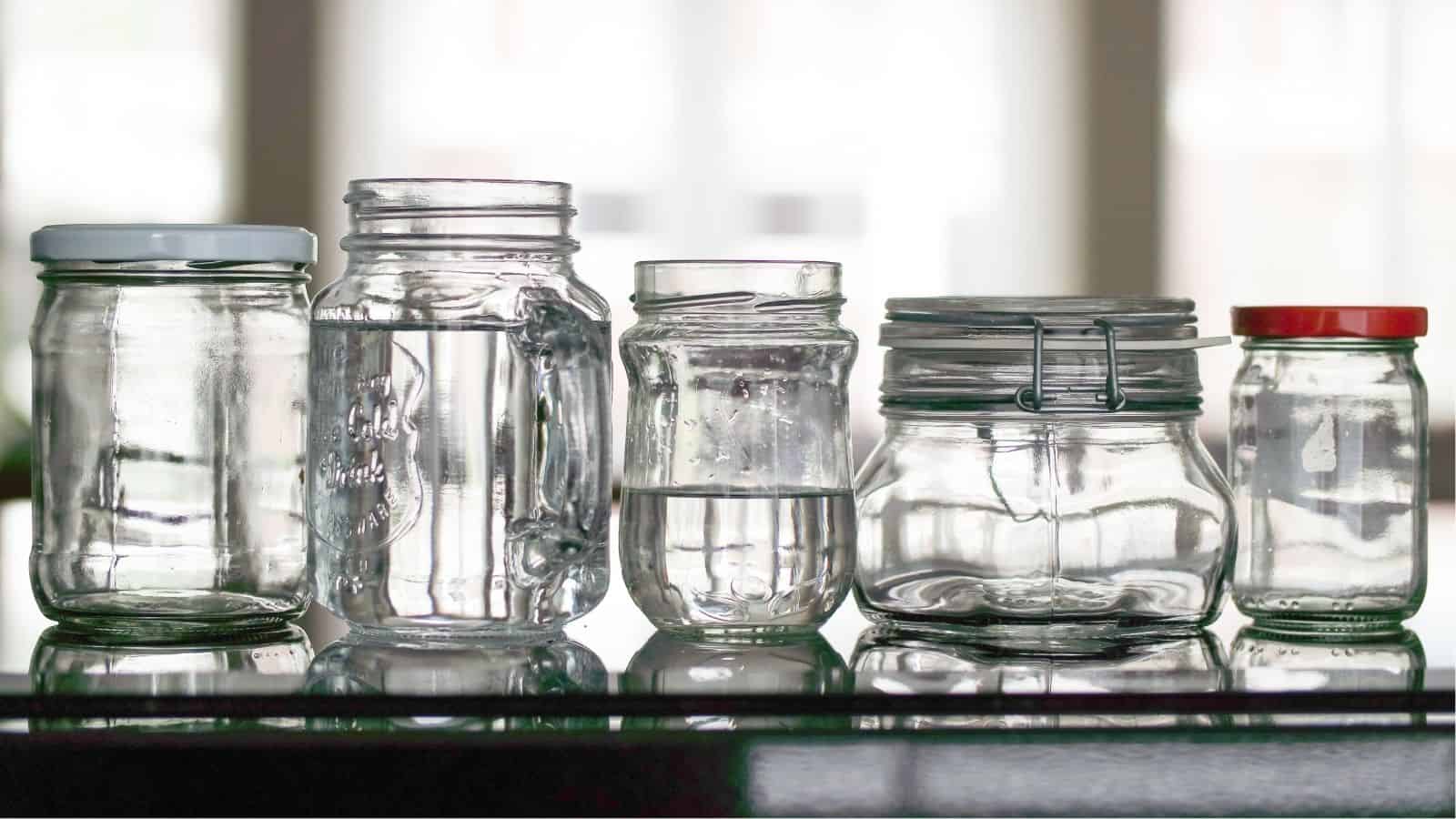
    Five glass jars of various sizes and shapes, some with lids, are placed side by side on a reflective surface.
    Photo Credit: SmitBruins/Envato

    Instead of buying new containers, reuse jars from sauces or pickles. They’re perfect for leftovers, pantry goods, or even small craft supplies. They look charming and cut down on plastic, too.

    Compost Kitchen Scraps

    A person chops vegetable scraps on a wooden cutting board, with food waste being placed into a compost bin on the counter nearby.
    Photo Credit: Pressmaster/Envato

    Even if you don’t have a big garden, composting is easy with a small bin or outdoor pile. Fruit peels, eggshells, and coffee grounds all break down naturally. It turns waste into nutrient-rich soil instead of garbage.

    Buy in Bulk When You Can

    Several glass jars filled with various dry foods, including grains, seeds, beans, and dried berries, are arranged on a light surface against a neutral background.
    Photo Credit: OksaLy/Envato

    Purchasing dry goods, grains, or cleaning refills in bulk reduces packaging waste. It also saves trips to the store and cuts costs over time. Less plastic, more convenience.

    Skip Disposable Water Bottles
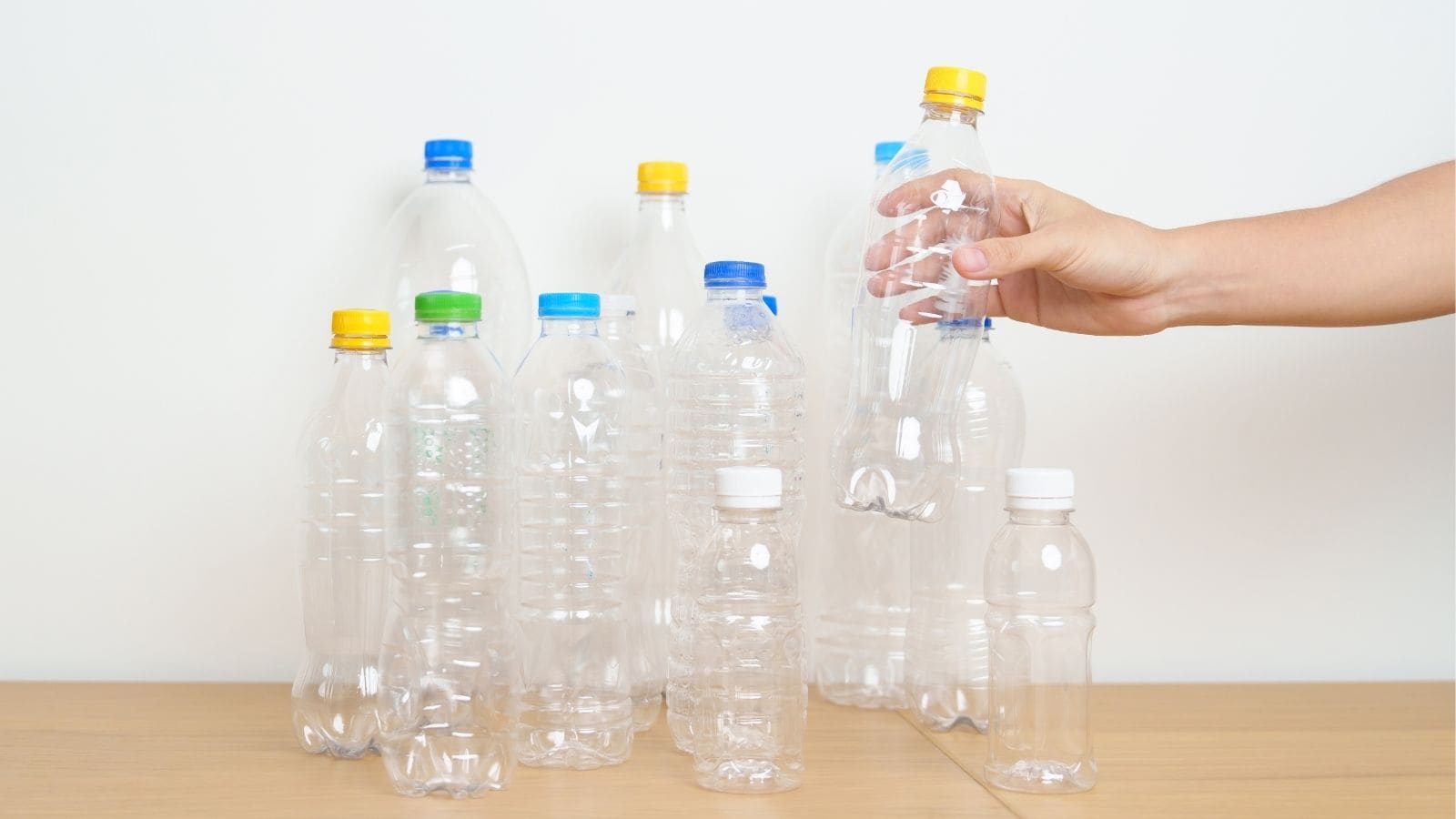
    A hand holds one of several empty clear plastic bottles with various colored caps arranged on a wooden surface against a plain white background.
    Photo Credit: JoPanwatD/Envato

    Keep a refillable bottle nearby throughout the day. It’s a simple swap that eliminates countless single-use plastics each year. Plus, you’ll stay hydrated without the extra expense.

    Repair Before Replacing

    A person in green work clothes is assembling a wooden planter box outdoors, using a drill and placing planks on the box. Shrubs and garden pathways are visible nearby.
    Photo Credit: duallogic/Envato

    A small tear or loose screw doesn’t mean something’s broken for good. Taking a few minutes to mend or tighten things extends their life. It’s an old-fashioned habit that feels surprisingly satisfying.

    Donate Instead of Tossing
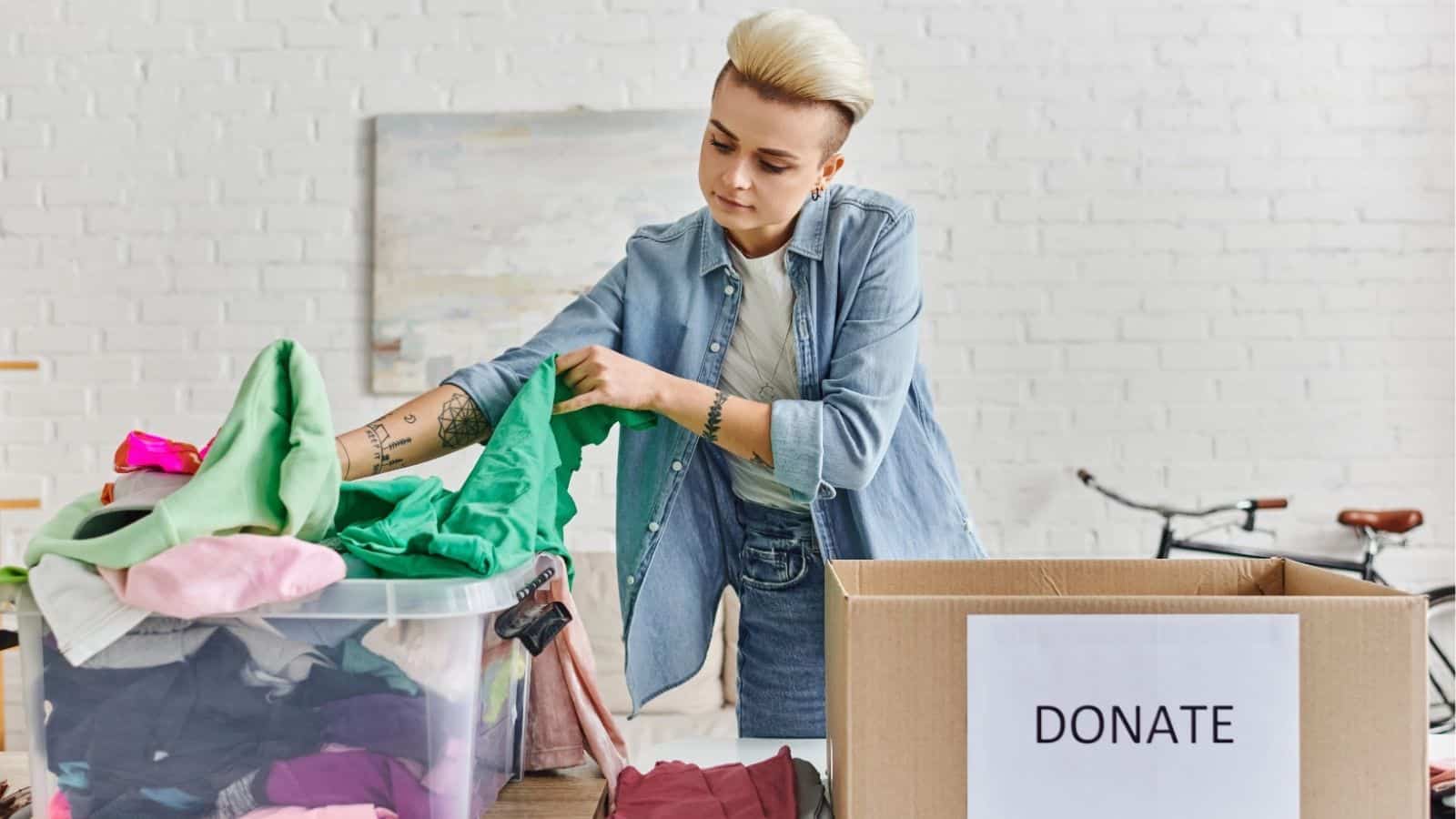
    A person sorts through a pile of clothes next to a cardboard box labeled "DONATE" in a bright, indoor setting.
    Photo Credit: HayDmitriy/Deposit Photos

    Before you throw something away, consider if someone else might use it. Clothes, books, and home goods often find new life in thrift shops. It keeps useful items circulating instead of cluttering landfills.

    Say No to Junk Mail

    Four mailbox slots with multiple signs reading "NO JUNK MAIL" and "NO ADVERTISING MATERIAL ACCEPTED" are visible against a background of green foliage.
    Photo Credit: Daria_Nipot/Deposit Photos

    Unsubscribe from catalogs and paper offers you don’t read. A few quick clicks can dramatically reduce paper clutter at home. Less sorting, less recycling, less waste.

    Use Refillable Cleaning Bottles

    A person holds a blue pump bottle in one hand and a white pump bottle in the other, both in front of a neutral background.
    Photo Credit: KostiantynVoitenko/Envato

    Many cleaning brands now sell concentrated refills—just add water. Switching to refillable bottles means fewer plastic containers in the trash. It’s cleaner for your home and the planet.

    Store Food Properly to Prevent Spoilage

    A hand places a plastic container of frozen food into a freezer drawer filled with other similar containers.
    Photo Credit: serezniy/Deposit Photos

    Learning how to keep produce fresh longer saves money and reduces waste. Simple tricks—like wrapping greens in paper towels or freezing leftovers—make a big difference. Fresh food stays fresh longer with a little care

    Reuse Packaging Creatively

    A person holds a Nespresso recycling box showing instructions in French for recycling coffee capsules and grounds, with icons for composting, recycling, and bicycle transport.
    Photo Credit: ifeelstock/Deposit Photos

    Cardboard boxes, tins, and even fabric scraps can be repurposed. Use them for organizing drawers, planting herbs, or wrapping gifts. A creative touch turns waste into something useful.

    Switch to Bar Soap and Shampoo Bars

    Rows of handmade soap bars, including yellow and marbled varieties, displayed on a shelf with brown paper labels reading "Natural & Handmade Soap" and "Not About Nature.
    Photo Credit: instantaneous_cube/Pixabay

    These small swaps reduce plastic bottles in the bathroom. They last longer, travel better, and often come in recyclable paper packaging. An easy way to make your daily routine more eco-friendly.

    Freeze Leftovers for Later

    Three plastic food containers are stacked vertically, each containing different foods with visible condensation inside. The top container is purple, the middle is blue, and the bottom is clear.
    Photo Credit: nito103/Deposit Photos

    Don’t let extra portions go to waste—freeze them in reusable containers. It saves you time on busy nights and keeps food from spoiling. Waste less, enjoy more.

    Choose Quality Over Quantity

    A person wearing glasses and a beanie compares two bottles of drinks in a supermarket aisle lined with various beverages.
    Photo Credit: Wifesun/Deposit Photos

    Buying fewer, better-made items means less waste in the long run. Durable goods last longer and need replacing less often. It’s a sustainable habit that simplifies life in every way.

    Cutting waste doesn’t require a complete lifestyle overhaul—just small, thoughtful changes that become second nature. The less we throw away, the more connected we feel to what we use and create. With these simple swaps, your home can stay clean, mindful, and effortlessly sustainable.

    More Trending

    • A wooden bowl filled with brown sugar, perfect for a DIY body polish recipe, sits on a wooden surface with a wooden scoop inside. Nearby, oat flakes are scattered artfully.
      15 autumn-inspired scrubs and exfoliants made at home
    • A woman in a blue coat sits on a metal fence holding autumn leaves, with yellow-leaved trees and a street in the background.
      15 autumn garden rituals that feel grounding
    • Person sorting items for a swap event at home, with a sign reading "SWAP not SHOP" and various household items and clothes on tables.
      15 gentle, low-waste swaps for a more mindful home
    • A ceramic bowl filled with a mixture of coarse salt, dried rosebuds, and berries, with a wooden scoop resting on the edge.
      15 homemade skincare ideas that feel gentle and nourishing

    About Kristen Wood

    Kristen is a plant lover, gardener, certified functional nutritional expert, cookbook author, writer, and photographer. Her work has been featured in many online and print publications including Willow & Sage Magazine, Forbes, NBC, New York Daily News, Healthline, MSN, Elle, Yoga Journal, and many more. She is also a syndicated writer for The Associated Press.

    Reader Interactions

    Comments

    No Comments

    Leave a Reply Cancel reply

    Your email address will not be published. Required fields are marked *

    Recipe Rating


    Primary Sidebar

    A close up of a woman's face in the sun, radiating with the gentle glow of schisandra and bergamot home.

    About Kristen Wood

    Kristen is a plant lover, gardener, certified functional nutritional expert, cookbook author, writer, and photographer. Her work has been featured in many online and print publications including Willow & Sage Magazine, Forbes, NBC, New York Daily News, Healthline, MSN, Elle, Yoga Journal, and many more. She is also a syndicated writer for The Associated Press.

    Learn more about me →

    Follow us!

    Footer

    ↑ back to top

    About

    • Privacy Policy
    • Google Web Stories
    • Accessibility Statement
    • Disclaimer

    Newsletter

    • Sign up for our newsletter to receive our latest posts!

    Contact

    • Contact

    Copyright © 2025 Schisandra & Bergamot
    Disclaimer: As An Amazon Associate I Earn From Qualifying Purchases.

    1 shares