
• Skip to main content
  • Skip to primary sidebar

Schisandra & Bergamot logo

menu icon
go to homepage
  • Index
  • Subscribe
  • About
  • Contact
  • Daily Herb
    • Facebook
    • Instagram
    • Pinterest
  • subscribe
    search icon
    Homepage link
    • Index
    • Subscribe
    • About
    • Contact
    • Daily Herb
    • Facebook
    • Instagram
    • Pinterest
  • ×
    Home » Trending

    Published: Jul 9, 2025 by Kristen Wood · This post may contain affiliate links. If you make a purchase through links on our site, we may earn a commission. ·

    13 Ways to Make Your Backyard a Mini Wildlife Sanctuary

    0 shares
    • Facebook
    • Reddit

    You don’t need acres of land to support wildlife. With a few thoughtful choices, even a small backyard can become a safe, vibrant home for birds, bees, butterflies, and beyond.

    These 13 simple changes help you welcome more nature into your space—without sacrificing style or manageability.

    Plant Native Flowers and Shrubs

    Purple wildflowers grow on a sandy forest floor with tall trees and sparse green vegetation in the background.
    Photo Credit: YuriArcursPeopleimages/Envato

    Native plants offer the food and shelter that local species evolved to rely on. Choose a variety of bloom times for year-round support.

    Add a Birdbath or Water Feature

    A small brown bird stands on a wet rock in a shallow, ornate birdbath surrounded by greenery.
    Photo Credit: ckstockphoto/Envato

    Clean, shallow water draws in birds, butterflies, and bees. Add pebbles or sloped edges so small critters can land safely.

    Leave a Brush Pile

    A pile of fallen autumn leaves on green grass in an outdoor setting.
    Photo Credit: varyapigu/Envato

    Stack fallen branches or twigs in a quiet corner to offer shelter for small mammals, insects, and ground-dwelling birds.

    Build or Hang a Bee Hotel

    A wooden insect hotel with various compartments is mounted on a tree branch surrounded by green leaves.
    Photo Credit: souslesoleil/Envato

    Pollinators need homes too! A bee hotel gives solitary native bees a safe spot to nest—and boosts pollination in your garden.

    Grow Layers of Plants
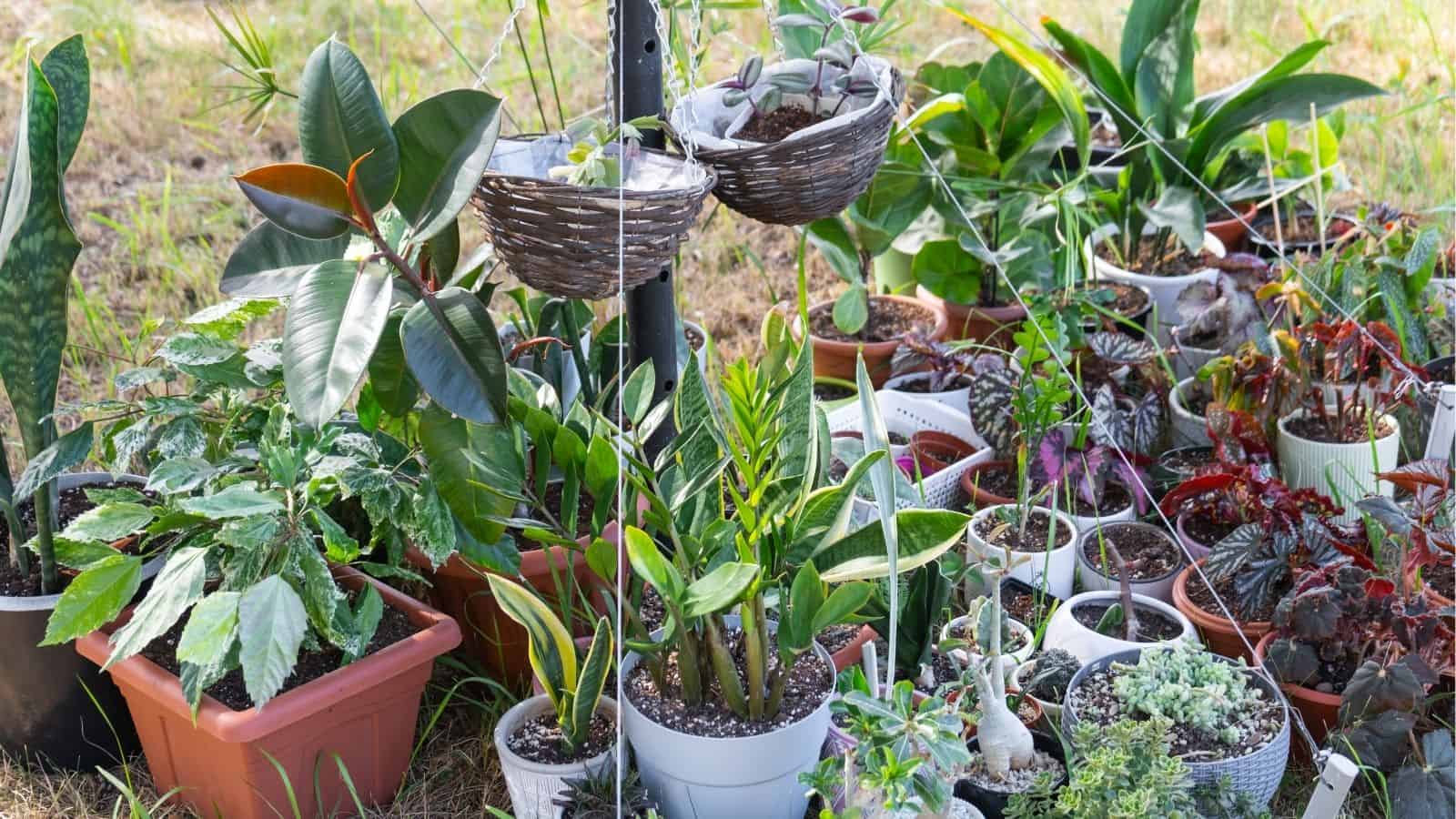
    A variety of potted houseplants and succulents arranged outdoors on the ground, with two hanging baskets among them.
    Photo Credit: Simol1407/Envato

    Include trees, shrubs, perennials, and groundcovers to mimic nature’s layering. This diversity gives wildlife multiple levels to feed and nest.

    Add Host Plants for Caterpillars

    A black, yellow, and green striped caterpillar rests on mint leaves growing in a wooden planter outdoors, with grass visible in the background.
    Photo Credit: aasarwar/Envato

    Milkweed for monarchs, parsley for swallowtails—support the full life cycle of butterflies by planting what their larvae need to survive.

    Install Nesting Boxes
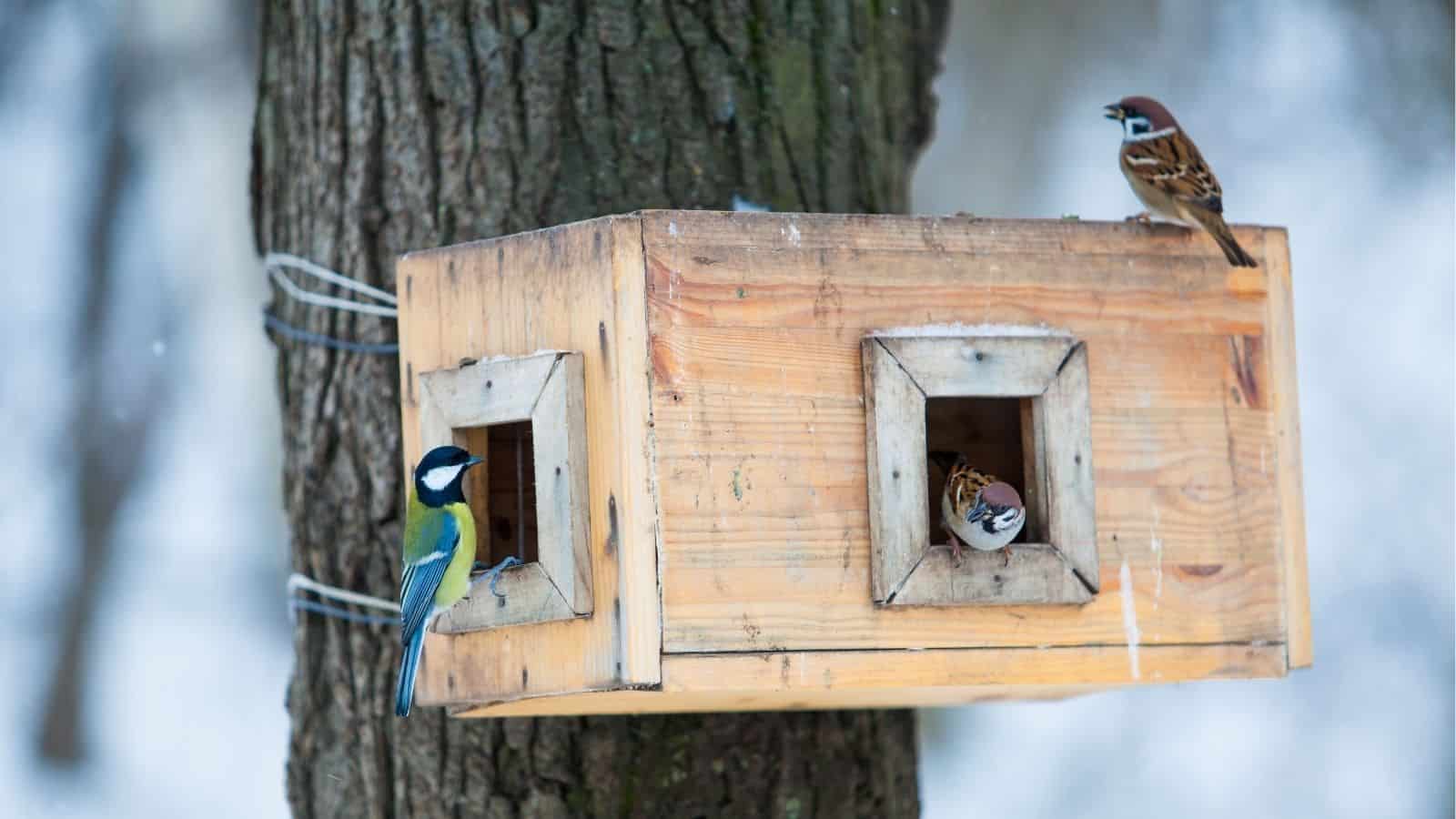
    A wooden birdhouse attached to a tree with three birds perched around its openings in a wintery outdoor setting.
    Photo Credit: EwaStudio/Envato

    Birdhouses or bat boxes offer safe roosting places. Tailor the design to native species in your area for best results.

    Skip the Pesticides

    Three people wearing protective masks and gloves work in a cabbage field, with one person spraying plants and the others tending crops in the background.
    Photo Credit: Pressmaster/Envato

    Chemical pesticides and herbicides can harm more than just pests. Go organic to protect bees, birds, and amphibians.

    Create a Rock or Log Habitat

    A person wearing floral work gloves moves large pieces of broken concrete outdoors near a corrugated metal fence.
    Photo Credit: Natali2021/Envato

    A pile of rocks or a partially buried log becomes a cool hideaway for frogs, lizards, and beneficial insects.

    Let Some Grass Grow Long

    Close-up view of green grass blades growing next to a concrete surface with a blurred brown background.
    Photo Credit: koldunova/Envato

    Leave a patch of your lawn unmowed to provide nesting material and habitat for ground-nesting birds and pollinators.

    Grow Fruit-Bearing Plants

    Green shrub with clusters of round, yellow and orange fruits among glossy green leaves. Some of the fruits are ripening, with color ranging from green to bright orange.
    Photo Credit: Nadtochii/Envato

    Berry bushes like elderberry, serviceberry, or blueberry feed birds and small mammals while adding beauty to your landscape.

    Use Low Outdoor Lighting
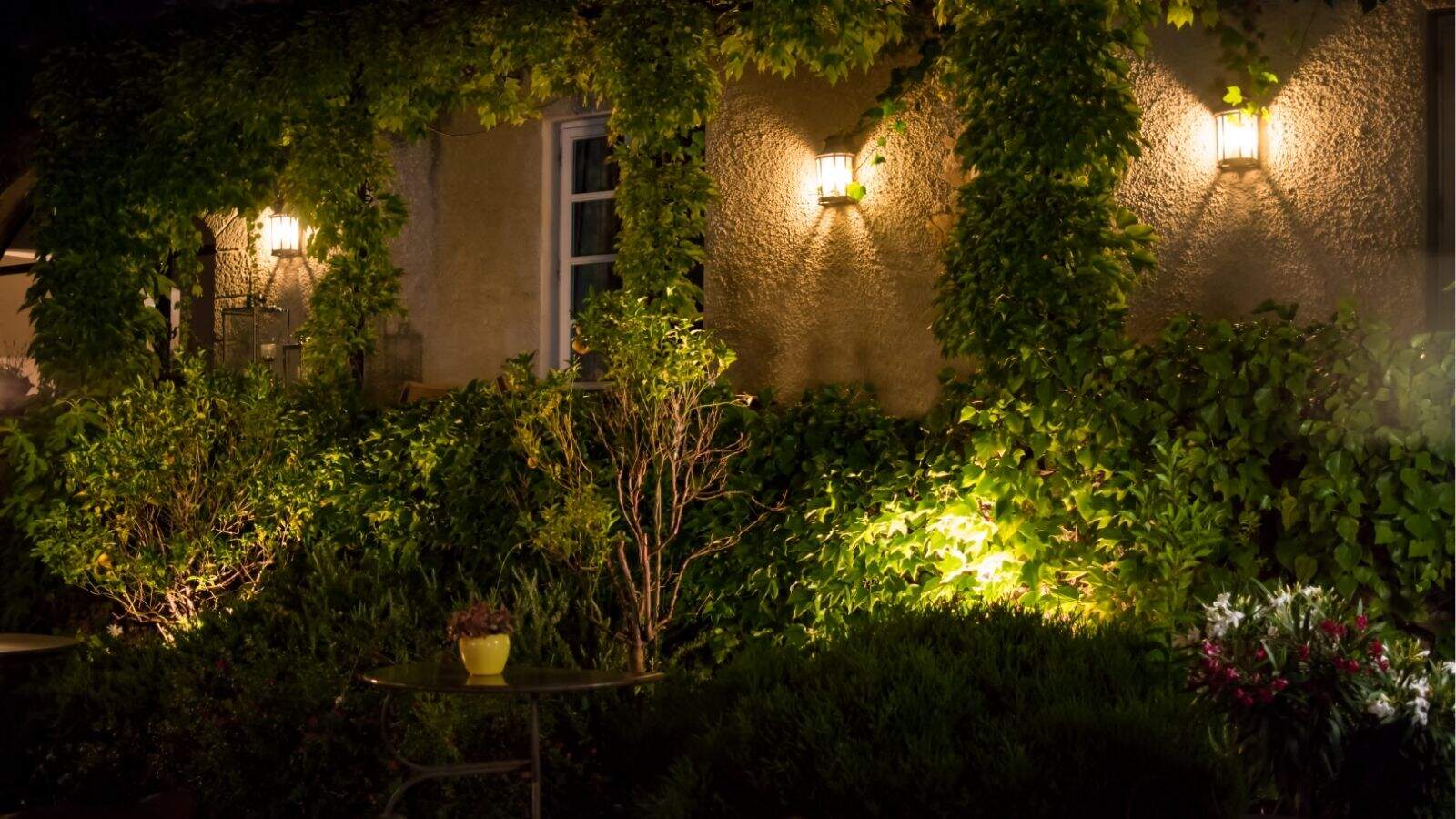
    Outdoor wall with two lit lanterns, covered in lush green ivy and plants at night, with a window in the center and a small table holding a yellow pot in the foreground.
    Photo Credit: stockfilmstudio/Envato

    Bright lights can disorient wildlife. Choose motion sensors, warmer tones, or solar path lights to keep your yard animal-friendly after dark.

    Skip the Mulch Dye

    A close-up view of red wood mulch pieces, with more mulch in varying shades blurred in the background.
    Photo Credit: wolfhound9111/Envato

    Color-treated mulch may contain chemicals harmful to insects and amphibians. Stick to natural mulch or leaf litter for a safer environment.

    Every small step adds up. By inviting nature into your yard, you help build a healthier ecosystem for local wildlife—and get the joy of watching it thrive. Whether you plant a patch or rework the whole space, your sanctuary starts with just one wild-friendly choice.

    More Trending

    • A wooden spoon rests on a jar filled with coarse, textured scrub, placed on a blue plate atop a wooden surface with scrub granules scattered around.
      15 simple bath and body gifts infused with herbs and botanicals
    • A woman in winter clothing sits cross-legged on a sofa, holding a yellow apple in one hand and a white mug in the other, and smiling at the camera.
      15 simple slow-living ideas to help you ease into the colder months
    • A gazelle stands in tall, dry grass with several other gazelles in the background.
      15 small outdoor habits that support wildlife all winter
    • Woman standing in a modern kitchen, smiling and pointing at a wall-mounted touchscreen control panel with various smart home icons displayed.
      15 easy ways to keep energy costs down this season

    About Kristen Wood

    Kristen is a plant lover, gardener, certified functional nutritional expert, cookbook author, writer, and photographer. Her work has been featured in many online and print publications including Willow & Sage Magazine, Forbes, NBC, New York Daily News, Healthline, MSN, Elle, Yoga Journal, and many more. She is also a syndicated writer for The Associated Press.

    Reader Interactions

    Comments

    No Comments

    Leave a Reply Cancel reply

    Your email address will not be published. Required fields are marked *

    Recipe Rating


    Primary Sidebar

    A close up of a woman's face in the sun, radiating with the gentle glow of schisandra and bergamot home.

    About Kristen Wood

    Kristen is a plant lover, gardener, certified functional nutritional expert, cookbook author, writer, and photographer. Her work has been featured in many online and print publications including Willow & Sage Magazine, Forbes, NBC, New York Daily News, Healthline, MSN, Elle, Yoga Journal, and many more. She is also a syndicated writer for The Associated Press.

    Learn more about me →

    Herb of the Day

    Meet today’s featured herb with gentle kitchen ideas, botanical notes, folklore, and a quiet reflection to take with you.

    Explore Today’s Herb

    Follow us!

    Footer

    ↑ back to top

    About

    • Privacy Policy
    • Google Web Stories
    • Accessibility Statement
    • Disclaimer

    Newsletter

    • Sign up for our newsletter to receive our latest posts!

    Contact

    • Contact

    Copyright © 2025 Schisandra & Bergamot
    Disclaimer: As An Amazon Associate I Earn From Qualifying Purchases.

    Herb of the Day

    Discover today’s featured herb with simple kitchen ideas, botanical notes, folklore, and a reflective message.

    Explore
    0 shares