
• Skip to main content
  • Skip to primary sidebar

Schisandra & Bergamot logo

menu icon
go to homepage
  • Index
  • Subscribe
  • About
  • Contact
  • Videos
    • Facebook
    • Instagram
    • Pinterest
  • subscribe
    search icon
    Homepage link
    • Index
    • Subscribe
    • About
    • Contact
    • Videos
    • Facebook
    • Instagram
    • Pinterest
  • ×
    Home » Trending

    Published: Oct 14, 2025 by Kristen Wood · This post may contain affiliate links. If you make a purchase through links on our site, we may earn a commission. ·

    10 Ways To Make Your Yard a Haven for Overwintering Pollinators

    2 shares
    • Facebook
    • Reddit

    As the temperatures drop, pollinators like bees, butterflies, and beetles need safe places to rest and survive until spring. A few small changes to your fall cleanup routine can make all the difference for these essential creatures.

    By leaving nature a little more natural, you can help protect the insects that keep your garden thriving year after year. Here are 10 easy ways to make your yard a haven for overwintering pollinators.

    Leave the Leaves

    A pile of dry brown leaves rests on a stone-paved ground, with some loose leaves scattered around and a few floating in the air.
    Photo Credit: wirestock/Envato

    Instead of raking everything away, leave a layer of fallen leaves in garden beds and corners. They create natural insulation and shelter for pollinators like bumblebees and moths.

    Skip the Fall Cleanup

    Photo Credit: maxbelchenko/Envato

    Resist the urge to tidy every part of the yard. Standing plants and seed heads provide food and protection for insects through winter.

    Create a Brush Pile

    A pile of dry branches and two wooden pallets are stacked on sandy ground in a grassy outdoor area with trees in the background.
    Photo Credit: ja-aljona/Envato

    Gather small branches and twigs into a loose pile in a quiet spot. It’s a perfect hiding place for beetles, solitary bees, and other beneficial bugs.

    Keep Dead Stems Standing

    A field of withered sunflowers under a cloudy sky, with a dirt road running alongside.
    Photo Credit: orestligetka.ukr.net/Deposit Photos

    Hollow stems from flowers like coneflowers and bee balm make great nesting sites for solitary bees. Wait until spring to cut them back to give overwintering insects time to emerge.

    Add Native Plants
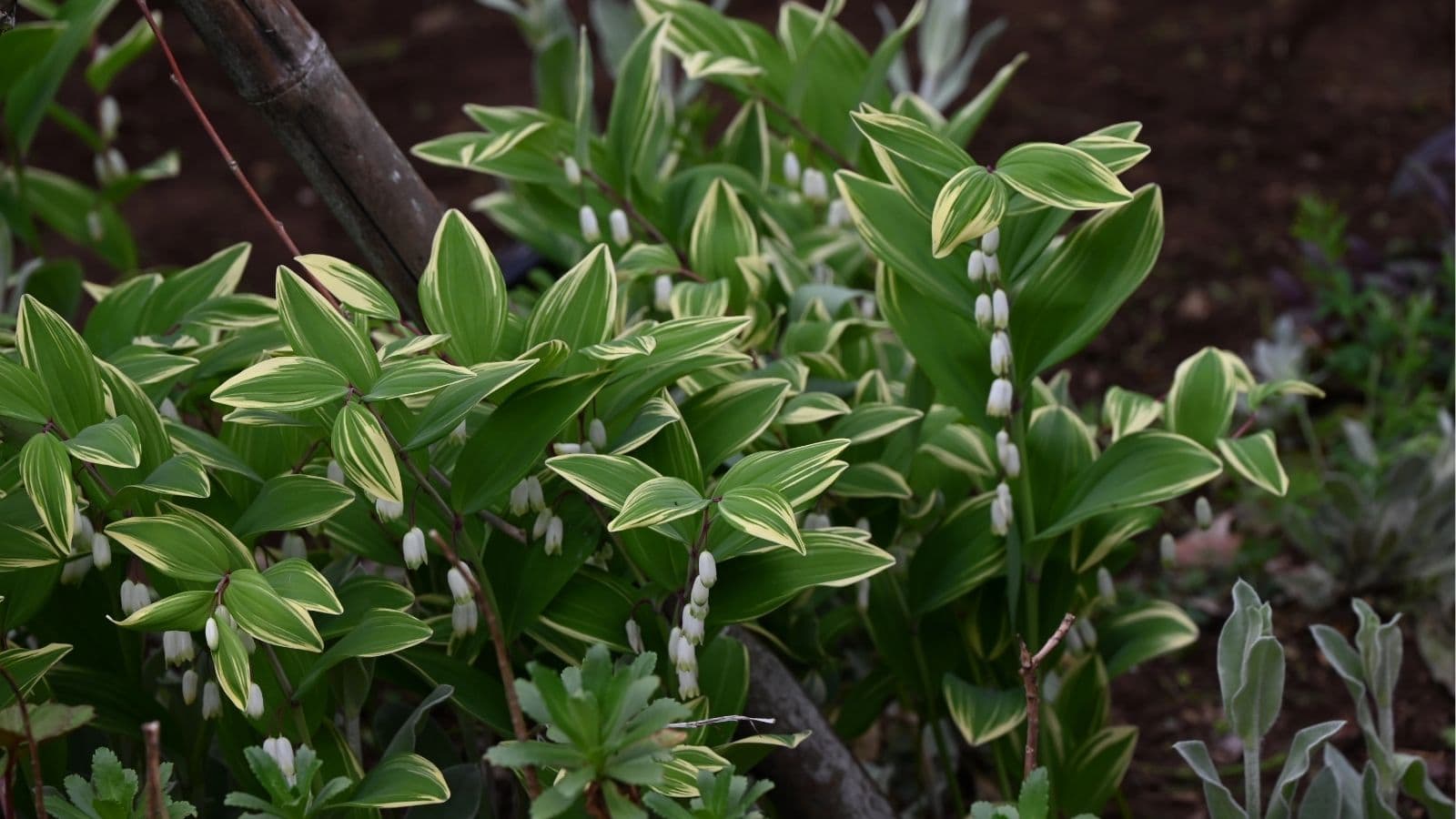
    Variegated green leaves with white edges and small white bell-shaped flowers growing in a garden bed.
    Photo Credit: YK1500/Deposit Photos

    Native plants produce the pollen and nectar that local pollinators rely on. Many also provide natural shelter and seed heads that last through winter.

    Build a Bee Hotel

    A wooden insect hotel with various compartments is mounted on a tree branch surrounded by green leaves.
    Photo Credit: souslesoleil/Envato

    A bee hotel made from bamboo or drilled wood blocks gives solitary bees a safe place to hibernate. Place it in a sunny, sheltered area for best results.

    Provide Bare Ground

    A patch of grass with a bare, brown area in the center where the grass has worn away.
    Photo Credit: HazratBilal/Deposit Photos

    Not all bees nest above ground—some need open soil. Leave small patches of bare earth or sandy spots for ground-nesting species.

    Avoid Pesticides

    Person wearing protective gear sprays plants with chemicals in a field, likely applying pesticide or herbicide. Greenhouse structures are visible in the background.
    Photo Credit; albertolopezphoto/Envato

    Skip the sprays, especially in fall and early spring. Even organic options can harm overwintering pollinators resting in soil or leaves.

    Offer a Water Source

    A bamboo pipe pours water into a stone basin surrounded by moss and green plants in a natural outdoor setting.
    Photo Credit: leungchopan/Envato

    A shallow dish with pebbles and water gives pollinators a safe place to drink. Keep it filled on mild winter days when they venture out.

    Plant for Early Spring Blooms

    Purple and yellow crocus flowers bloom among green grass and a dry leaf in sunlight.
    Photo Credit: Claudia CDK/Pexels

    Include crocuses, snowdrops, or hellebores in your garden to give pollinators an early food source. These blooms are the first sign of hope after a long, cold winter.

    A pollinator-friendly yard in winter doesn’t need to look perfect—it just needs to feel natural. By offering shelter, food, and safety, you’ll help bees and butterflies return strong in spring, ready to keep your garden buzzing with life.

    More Trending

    • A wooden bowl filled with brown sugar, perfect for a DIY body polish recipe, sits on a wooden surface with a wooden scoop inside. Nearby, oat flakes are scattered artfully.
      15 autumn-inspired scrubs and exfoliants made at home
    • A woman in a blue coat sits on a metal fence holding autumn leaves, with yellow-leaved trees and a street in the background.
      15 autumn garden rituals that feel grounding
    • Person sorting items for a swap event at home, with a sign reading "SWAP not SHOP" and various household items and clothes on tables.
      15 gentle, low-waste swaps for a more mindful home
    • A ceramic bowl filled with a mixture of coarse salt, dried rosebuds, and berries, with a wooden scoop resting on the edge.
      15 homemade skincare ideas that feel gentle and nourishing

    About Kristen Wood

    Kristen is a plant lover, gardener, certified functional nutritional expert, cookbook author, writer, and photographer. Her work has been featured in many online and print publications including Willow & Sage Magazine, Forbes, NBC, New York Daily News, Healthline, MSN, Elle, Yoga Journal, and many more. She is also a syndicated writer for The Associated Press.

    Reader Interactions

    Comments

    No Comments

    Leave a Reply Cancel reply

    Your email address will not be published. Required fields are marked *

    Recipe Rating


    Primary Sidebar

    A close up of a woman's face in the sun, radiating with the gentle glow of schisandra and bergamot home.

    About Kristen Wood

    Kristen is a plant lover, gardener, certified functional nutritional expert, cookbook author, writer, and photographer. Her work has been featured in many online and print publications including Willow & Sage Magazine, Forbes, NBC, New York Daily News, Healthline, MSN, Elle, Yoga Journal, and many more. She is also a syndicated writer for The Associated Press.

    Learn more about me →

    Follow us!

    Footer

    ↑ back to top

    About

    • Privacy Policy
    • Google Web Stories
    • Accessibility Statement
    • Disclaimer

    Newsletter

    • Sign up for our newsletter to receive our latest posts!

    Contact

    • Contact

    Copyright © 2025 Schisandra & Bergamot
    Disclaimer: As An Amazon Associate I Earn From Qualifying Purchases.

    2 shares