

Turning your yard into a haven for local wildlife is one of the most rewarding ways to connect with nature. With a few thoughtful choices, you can create a safe, welcoming space for birds, butterflies, bees, and other small creatures to thrive.
Even simple steps can help restore balance and bring your outdoor space to life. These 15 ideas will help you transform your yard into a peaceful sanctuary—where plants, pollinators, and people coexist in harmony.
Plant Native Flowers and Shrubs

Jump to a Section
Native plants provide the food and shelter that local wildlife depends on. They attract pollinators, resist pests naturally, and adapt well to your climate. Choose a mix of native blooms for color and diversity year-round.
Add a Birdbath or Small Water Source

Water is essential for all creatures, and a shallow birdbath or dish can make a big difference. Keep it clean and refill regularly to invite birds, bees, and butterflies. In winter, use a heated bath to help them through the cold.
Skip the Chemicals

Avoid pesticides, herbicides, and synthetic fertilizers that harm pollinators and soil health. Instead, use organic compost and natural pest control methods. A chemical-free yard encourages a balanced, thriving ecosystem.
Create Shelter with Shrubs and Brush Piles

Small animals and birds need safe spaces to hide and nest. Leave a few brush piles, plant dense shrubs, or let a corner of your yard grow wild. These areas become cozy shelters for wildlife year-round.
Grow Pollinator-Friendly Plants

Choose plants that bloom in different seasons to feed bees, butterflies, and hummingbirds. Favorites like lavender, coneflowers, and milkweed keep your yard buzzing with life. The more variety, the better the pollinator support.
Install Bird Feeders

Feeders provide vital food during harsh weather or migration seasons. Offer seeds, suet, or nectar depending on the species you want to attract. Just remember to clean them regularly to keep visitors healthy.
Leave the Leaves

Instead of raking every leaf, let some stay on the ground. Leaf litter creates habitat for insects, frogs, and overwintering butterflies. It also enriches your soil naturally as it breaks down.
Add a Small Pond or Mini Wetland

Even a tiny pond can draw frogs, dragonflies, and birds. Include rocks for perching and shallow edges for safe access. Avoid adding fish—they can eat beneficial insects and amphibian eggs.
Provide Nesting Boxes
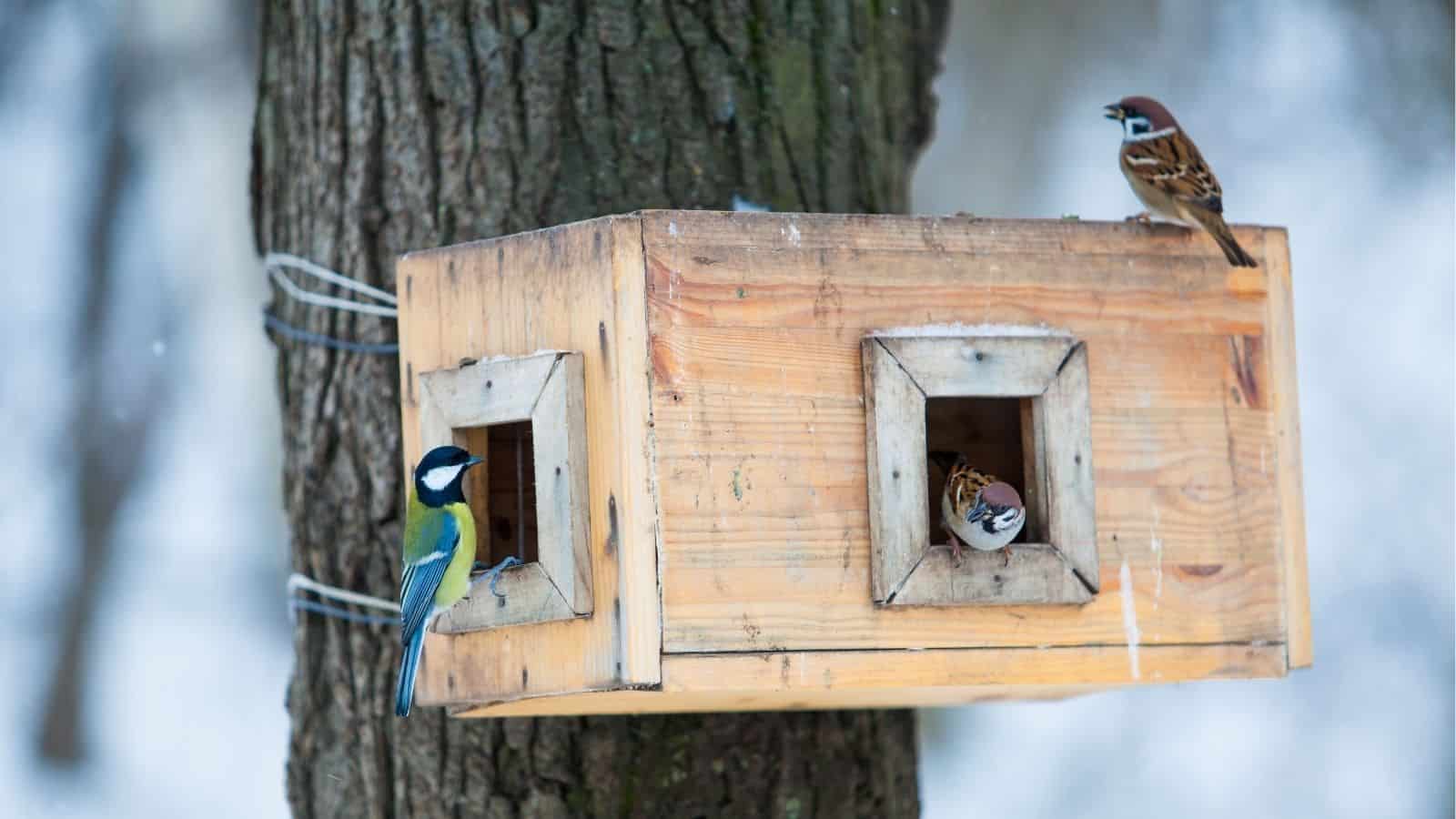
Install birdhouses or bat boxes suited to local species. Each creature has unique needs, so research the right design for your area. You’ll soon have regular tenants raising their young in your yard.
Grow a Variety of Trees

Trees offer shade, nesting sites, and food for countless species. Mix evergreens and deciduous trees for year-round shelter. Even one mature tree can support an entire mini-ecosystem.
Let Part of Your Lawn Go Wild

Allow a patch of grass to grow tall or fill it with native wildflowers. This creates a mini meadow buzzing with pollinators and small critters. It’s low maintenance and high reward for biodiversity.
Add Rocks and Logs for Habitat

Arrange stones or fallen branches in quiet corners of your yard. These spots become homes for beetles, frogs, and other ground-dwellers. Natural materials help mimic a woodland floor.
Choose Night-Blooming Flowers

Some pollinators, like moths and bats, are active at night. Plants like evening primrose and moonflower attract them beautifully. It’s an enchanting way to extend your yard’s activity after sunset.
Reduce Outdoor Lighting
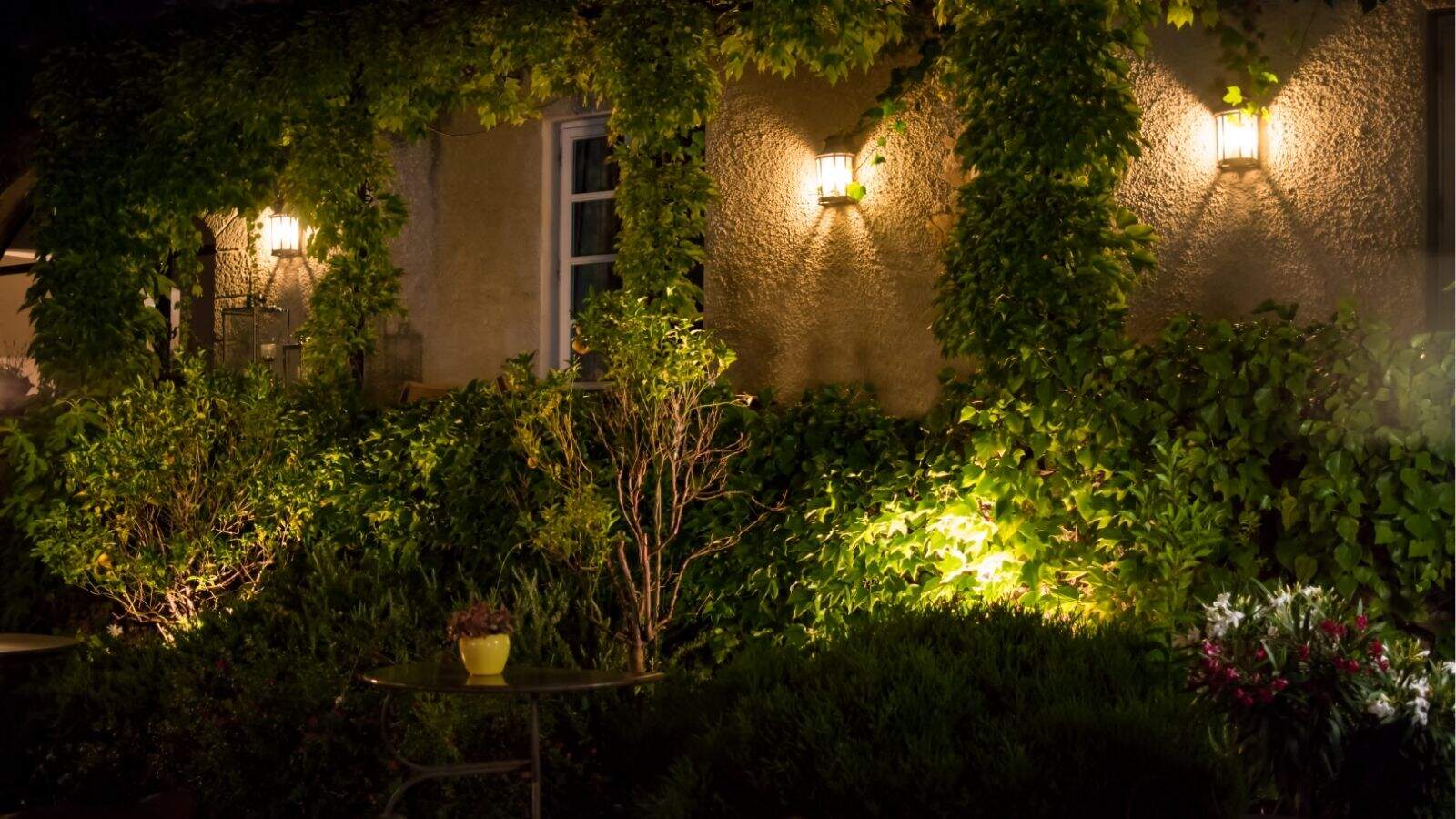
Too much artificial light can confuse nocturnal animals and insects. Use motion-sensor or low-intensity lighting when needed. Soft, minimal lighting keeps your sanctuary peaceful and wildlife-friendly.
Be Patient and Observant

Wildlife gardens grow slowly but reward patience. Spend time outside watching birds feed, bees buzz, or butterflies rest. The joy of noticing small changes makes the effort worthwhile.
By making your yard more welcoming to local wildlife, you’re helping restore the natural balance right at home. Every plant, puddle, and patch of wild growth plays a part in creating a thriving ecosystem. Over time, you’ll find your outdoor space alive with the gentle hum of life—a true sanctuary for nature and for you.





Comments
No Comments