

A thriving yard isn’t just beautiful—it’s alive. Inviting wildlife into your space helps restore balance to your local ecosystem while adding charm and movement to your garden. From native plants to cozy shelters, these easy ideas turn any yard into a welcoming retreat for nature’s guests.
Here are 15 ways to make your outdoor space friendlier for birds, pollinators, and other wild visitors.
Plant Native Flowers and Shrubs

Jump to a Section
Native plants provide food, shelter, and pollen for local wildlife. They adapt easily to your region’s soil and climate, making them low-maintenance and sustainable. Choose species that bloom across the seasons to support animals year-round.
Add a Birdbath or Small Pond

Water is essential for all creatures, from birds to bees. A shallow birdbath or pond gives wildlife a safe place to drink and bathe. Keep it clean and filled to attract regular visitors.
Plant Pollinator-Friendly Flowers

Bees, butterflies, and hummingbirds are drawn to colorful, nectar-rich blooms. Plant a mix of native wildflowers like coneflowers, milkweed, and bee balm. Avoid using pesticides that can harm pollinators.
Leave Some Leaves

Resist the urge to rake every corner of your yard. Fallen leaves provide habitat for insects, frogs, and small mammals. They also enrich your soil naturally as they decompose.
Grow Berry-Producing Plants

Plants like holly, elderberry, and serviceberry feed birds during fall and winter. Their bright fruits also add seasonal beauty to your yard. You’ll enjoy watching colorful birds stop by for a snack.
Create Brush or Log Piles

Stack fallen branches or logs in a quiet corner of your yard. These natural shelters give small animals, insects, and amphibians a safe refuge. It’s a simple way to support biodiversity without much effort.
Install Bird Feeders

Hang a variety of feeders to attract different bird species. Clean them regularly and offer seeds, nuts, or suet depending on the season. Over time, you’ll get to know which birds visit most often.
Plant a Tree or Two

Trees provide shade, food, and nesting spots for countless creatures. Even a single tree can become a thriving mini-habitat. Choose species native to your area for the best results.
Let a Corner Go Wild

Allow part of your yard to grow naturally without mowing or trimming. Wild patches offer cover for shy animals and safe spaces for insects. Nature thrives when we give it a little freedom.
Use Natural Mulch and Compost

Avoid synthetic fertilizers and mulches that harm soil life. Natural compost and organic mulch keep soil healthy and full of beneficial insects. Healthier soil supports stronger plants—and more wildlife.
Add Nesting Boxes
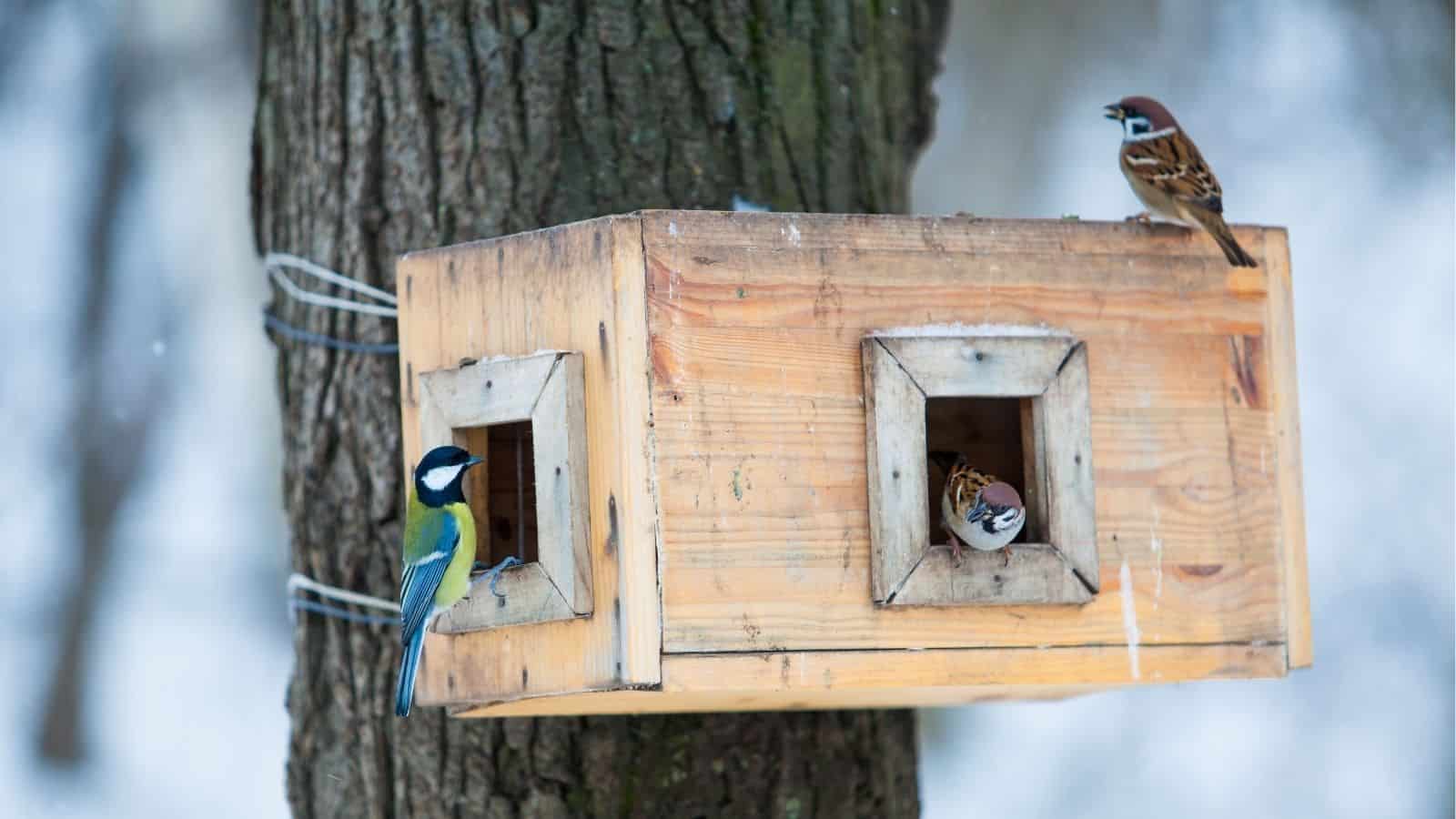
Birds, bats, and even bees appreciate safe nesting spots. You can buy or build boxes designed for different species. Place them in quiet, sheltered areas for the best success.
Grow Climbing Plants and Vines

Vines like clematis, honeysuckle, and ivy create shelter and food for insects and small birds. They also add vertical interest to your garden. Choose non-invasive varieties to keep growth in check.
Light Your Yard Gently

Bright outdoor lights can disrupt nocturnal wildlife. Use motion sensors or soft solar lighting instead. A darker yard helps owls, bats, and moths thrive.
Avoid Chemicals and Pesticides

Chemical sprays harm beneficial insects and the animals that feed on them. Try natural pest control methods like neem oil or companion planting. A healthy, balanced garden manages itself over time.
Offer Shelter Through the Seasons

Don’t rush to clear out all dead stems or fallen branches in fall. Many insects and birds overwinter in these natural materials. Keeping your garden slightly untidy can make it a true refuge for life.
Every small effort to support wildlife creates ripples of positive change. A yard alive with birdsong, butterflies, and gentle rustling feels both peaceful and purposeful. When you welcome nature in, your space becomes a part of something much bigger and more beautiful.




Comments
No Comments