

The first freeze can take gardeners by surprise, leaving once-thriving plants damaged overnight. While frost is inevitable in cooler seasons, a few proactive steps can help shield your garden from sudden temperature drops. With the right strategies, you can extend the life of your plants and protect your hard work.
By preparing early, you’ll reduce losses and keep your garden looking healthy longer. Here are 10 smart ways to protect your garden before frost strikes
Cover Plants with Sheets or Blankets

Jump to a Section
Lightweight fabrics like sheets, blankets, or burlap provide an insulating layer that traps heat near plants. Drape them loosely to avoid breaking stems and remove them during the day to let in sunlight. This simple step can prevent frost from damaging tender leaves overnight.
Use Plastic Tunnels or Row Covers

Plastic tunnels and row covers act like mini-greenhouses, locking in warmth while keeping frost off your plants. They’re especially useful for vegetable beds and delicate crops. With proper ventilation during the day, they can extend your growing season well into the colder months.
Add a Thick Layer of Mulch
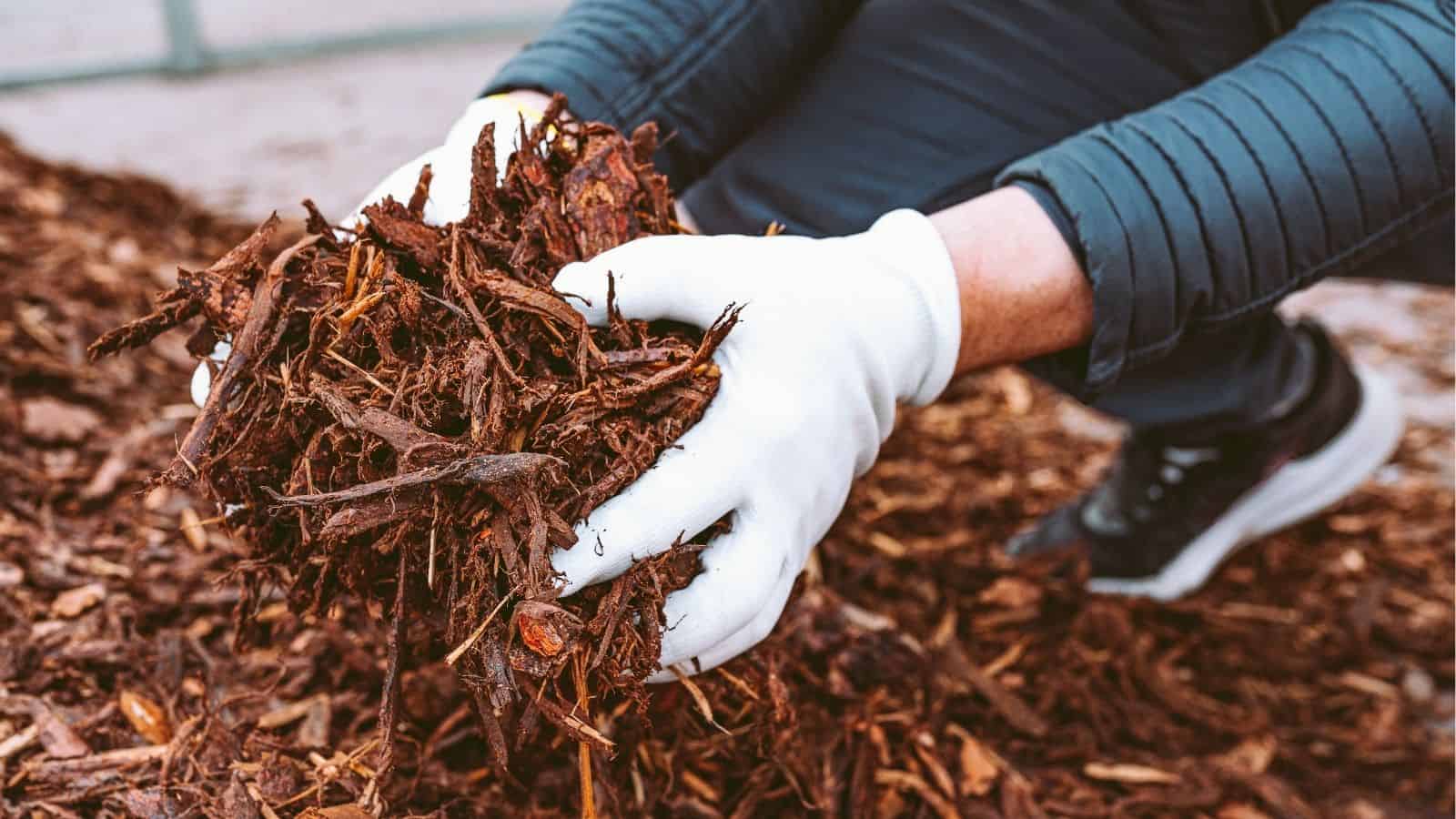
Mulch helps insulate the soil, protecting roots from freezing temperatures. Spread straw, wood chips, or leaves around the base of plants before frost arrives. This extra layer keeps soil temperatures more stable and reduces stress on your plants.
Move Potted Plants Indoors

Potted plants are more vulnerable to freezing because their roots are exposed. Bring them indoors, into a garage, or onto a sheltered porch before temperatures dip. This quick move can save sensitive plants from permanent damage.
Water Plants Before a Freeze

Moist soil retains heat better than dry soil, offering protection during cold nights. Water your garden thoroughly in the afternoon before a frost is predicted. This simple action can make the difference between survival and frostbite for many plants.
Use Cold Frames for Delicate Crops

Cold frames are small enclosures made of glass or clear plastic that shield plants from frost. They create a warm, protective microclimate that extends growing time. Gardeners often use them for leafy greens and herbs that thrive in cooler weather.
Wrap Trees and Shrubs

Young trees and shrubs can suffer from frost cracks and bark damage. Wrapping their trunks with burlap or tree guards provides insulation against sudden cold snaps. This protection is especially important for fruit trees and ornamentals.
Harvest Tender Crops Early

Some vegetables, like tomatoes, peppers, and basil, won’t survive even a light frost. Harvesting them before the first freeze ensures you don’t lose your final crop. You can enjoy the produce fresh or preserve it for later use.
Create Windbreaks

Cold winds can make frost damage worse by stripping away warmth. Use fences, hedges, or temporary barriers like burlap screens to block the wind. This extra shield can help sensitive plants hold onto their heat.
Use Heat Sources for Extra Protection

For especially vulnerable plants, adding a little heat can make a big difference. Gardeners sometimes use outdoor-safe lights or water jugs filled with warm water placed near plants. These methods gently raise the temperature, keeping frost at bay.
The first freeze doesn’t have to mean the end of your gardening season. With these protective strategies, you can help your plants withstand the chill and keep your garden thriving a little longer. A little preparation goes a long way in saving your hard work.





Comments
No Comments