

Reducing waste isn’t just good for the environment—it’s great for your home and your wallet, too. With a few mindful habits, you can minimize what goes into the trash while creating a cleaner, more efficient space.
From repurposing what you already have to making smarter shopping choices, every small effort adds up. Here are 10 easy and practical ways to cut down on waste around your home and yard.
Start Composting
Jump to a Section
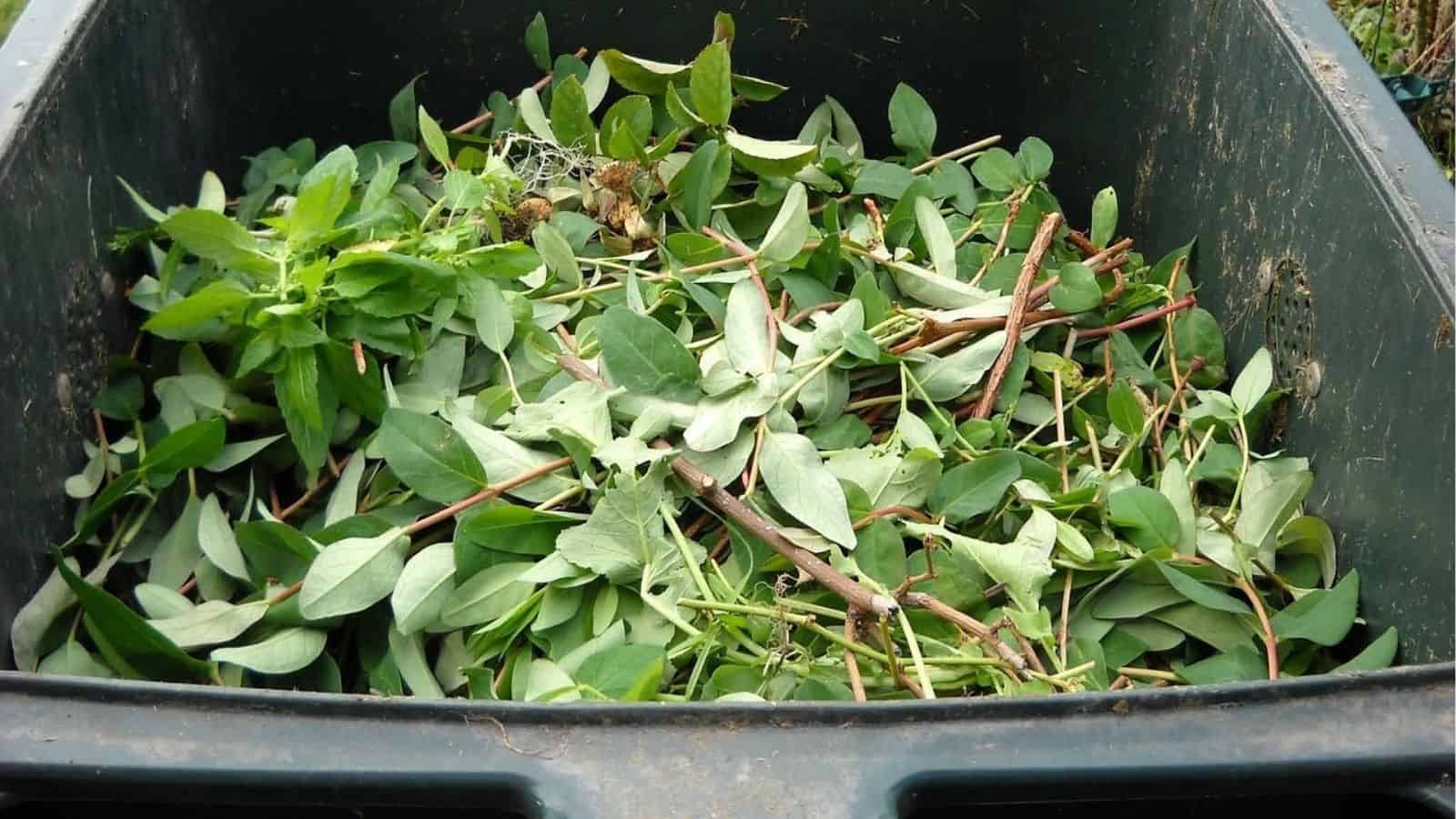
Composting is one of the simplest ways to reduce food waste and create nutrient-rich soil for your garden. You can compost fruit and vegetable scraps, coffee grounds, eggshells, and even yard trimmings. Whether you use a bin or a small outdoor pile, it’s a natural way to recycle organic matter.
Use Reusable Containers and Bags

Swap out single-use plastics for reusable containers, jars, and cloth bags. This simple switch cuts down on plastic waste and helps you stay organized. Keep a few reusable totes in your car so you never forget them when shopping.
Repair Instead of Replace

Before tossing something broken, see if it can be fixed. Learning basic repair skills for household items or garden tools saves money and keeps waste out of landfills. You’ll be surprised how satisfying it feels to make something last longer.
Collect Rainwater for Your Garden

A rain barrel can help you collect and reuse water for outdoor plants and lawns. It’s an eco-friendly way to cut down on water waste while keeping your garden hydrated. Plus, it can lower your utility bill during the dry season.
Upcycle Old Items

Get creative and give old items new life instead of throwing them away. Turn glass jars into planters, repurpose pallets into garden furniture, or transform worn-out clothes into cleaning rags. Upcycling adds charm and reduces unnecessary waste.
Buy in Bulk

Purchasing household staples in bulk reduces packaging waste and saves you trips to the store. Bring your own containers to refill grains, spices, and cleaning supplies at zero-waste or bulk stores if available.
Reuse Yard Waste

Instead of bagging up leaves and grass clippings, put them to work in your garden. Leaves can be used as mulch, and clippings can be composted to enrich your soil. It’s an easy, cost-free way to recycle what nature provides.
Ditch Disposable Products

Paper towels, plastic utensils, and disposable cleaning wipes create tons of waste over time. Replace them with washable cloths, real utensils, and reusable mop heads. It’s a simple change that reduces your household trash dramatically.
Donate or Sell Unused Items

Before throwing things away, consider donating them to a local charity or selling them online. Someone else might find value in what you no longer need. It’s an eco-friendly way to declutter your space while helping others.
Grow Native Plants
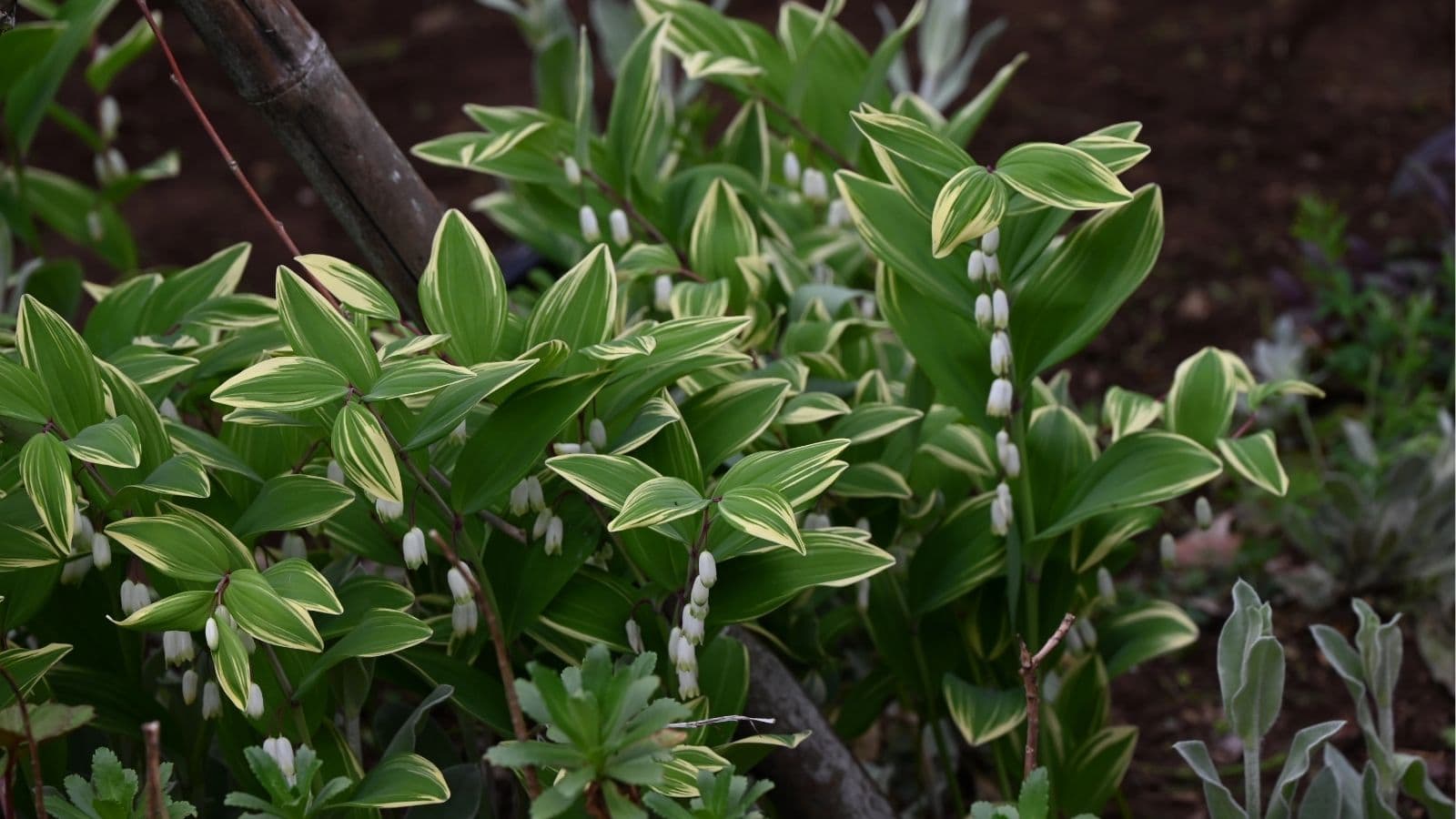
Native plants require less watering, fertilizer, and maintenance, which naturally reduces waste. They also attract pollinators and support local ecosystems. A low-waste garden not only saves time but also benefits the environment.
Living a low-waste lifestyle doesn’t have to be complicated—it’s about making small, consistent choices that matter. From your kitchen to your backyard, every effort helps create a cleaner, greener world. Start with one or two of these ideas, and before you know it, reducing waste will become second nature. Your home, garden, and planet will thank you.





Comments
No Comments