

As the seasons shift, cooler weather means your home will start using more energy to stay warm. But with a few simple adjustments, you can save money while keeping your space cozy. Preparing now also helps your home run more efficiently all winter long.
From sealing drafts to upgrading lighting, small changes make a big difference when the temperature drops. Here are 10 practical ways to save energy at home before the cold weather arrives.
Seal Drafts Around Windows and Doors

Jump to a Section
Gaps around windows and doors let warm air escape and cold air creep in. Use weatherstripping or caulk to seal these leaks before winter hits. This quick fix keeps your home warmer and reduces energy waste.
Add Insulation Where Needed

Proper insulation helps your home maintain a steady temperature without overworking your heating system. Check your attic, walls, and basement for areas that may need extra coverage. Even small upgrades can lead to big energy savings.
Switch to Energy-Efficient Bulbs

Shorter days mean more time with lights turned on. Replacing old bulbs with LED or CFL options reduces energy use and lasts longer. It’s a simple swap that saves money over time.
Service Your Heating System
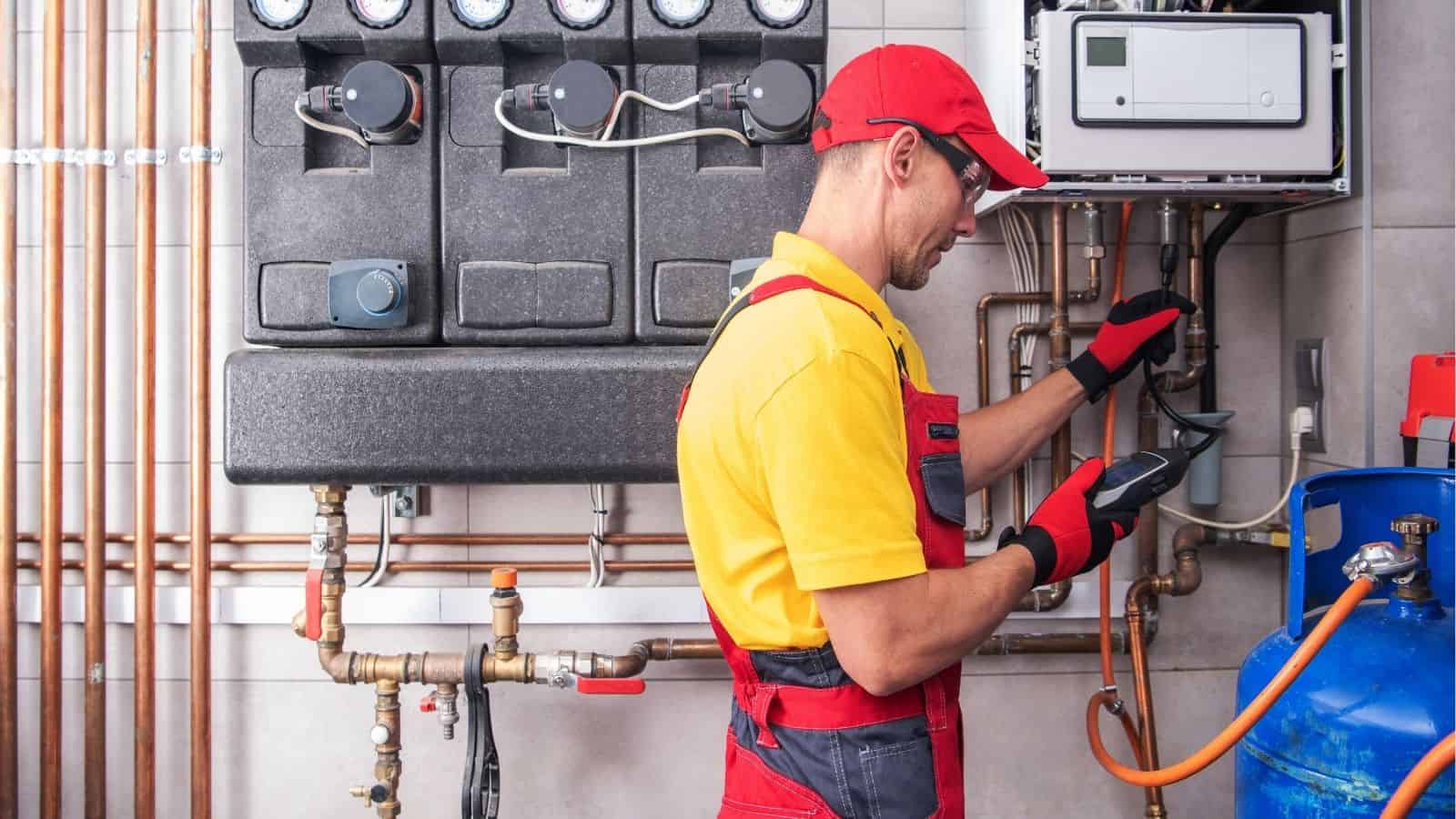
A tune-up ensures your heating system runs at peak efficiency when you need it most. Clean filters and professional inspections prevent costly breakdowns. A well-maintained system also uses less energy to keep your home warm.
Use a Programmable Thermostat

A programmable thermostat lets you lower the heat when you’re asleep or away. This reduces wasted energy without sacrificing comfort. Over time, it can make a noticeable dent in your energy bills.
Reverse Ceiling Fans

Most ceiling fans have a reverse switch to push warm air down in cooler months. Using this feature helps distribute heat more evenly throughout your home. It’s an easy trick that makes your space feel warmer without turning up the thermostat.
Insulate Pipes and Water Heater

Wrapping exposed pipes and your water heater with insulation helps reduce heat loss. This ensures hot water stays hot longer and your system doesn’t work as hard. It also lowers the risk of frozen pipes in extreme cold.
Block Unused Fireplaces

An open fireplace flue acts like an open window, letting warm air escape. If you’re not using the fireplace, close the damper or install a draft stopper. This small step can significantly improve energy efficiency.
Wash Clothes in Cold Water
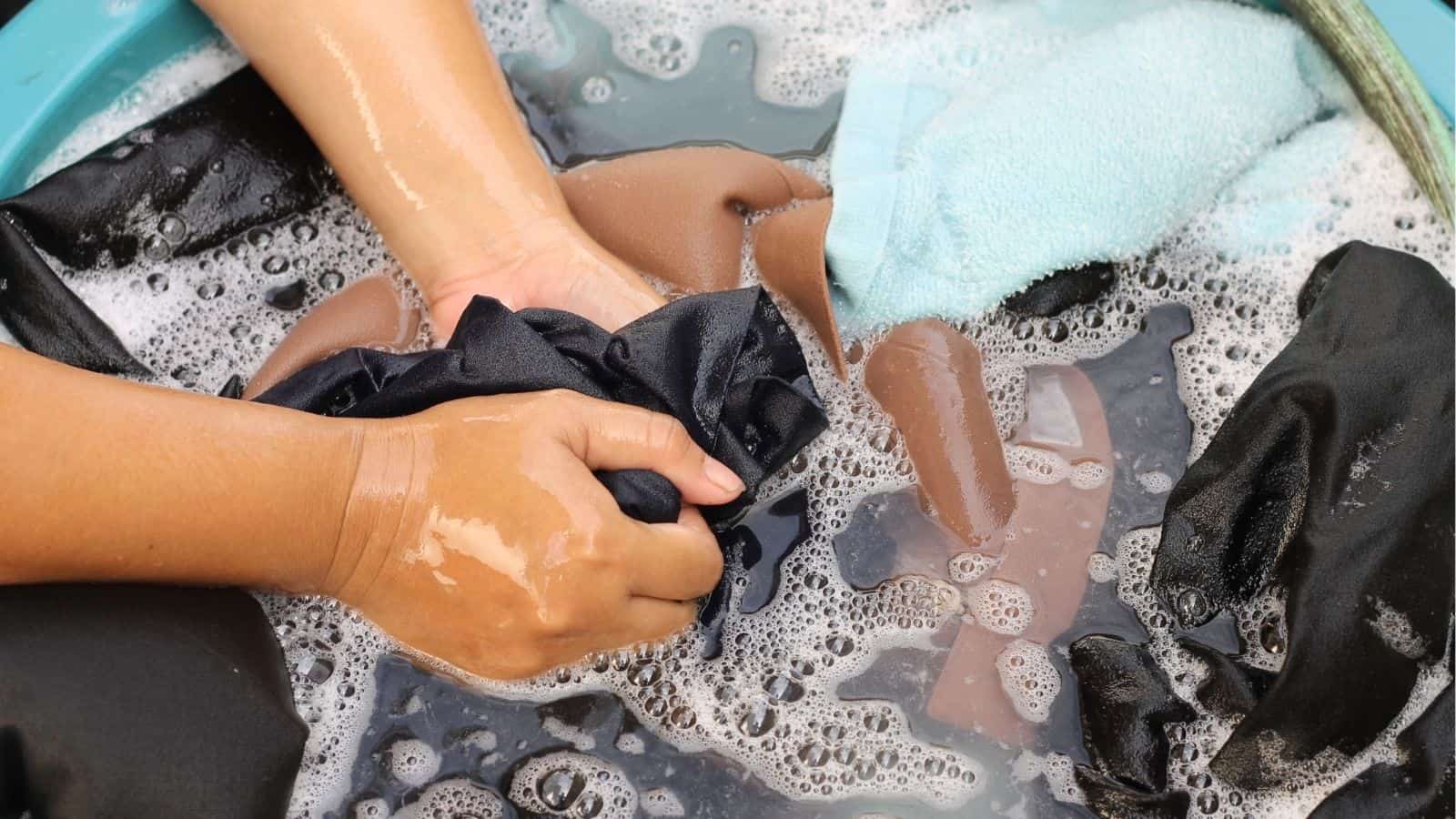
Hot water requires a lot of energy to heat, and most laundry can be cleaned effectively with cold water. Switching to cold saves energy while being gentler on fabrics. It’s a habit that benefits both your bills and your clothes.
Unplug Energy Drainers

Electronics and appliances still draw power even when turned off. Unplugging unused devices or using a power strip helps cut “phantom” energy use. This is especially helpful as households tend to use more devices indoors during colder months.
Getting your home ready for colder weather doesn’t have to be complicated or expensive. With these simple steps, you can save energy, lower bills, and stay comfortable all season long.





Comments
No Comments