

You don’t have to live on a farm or work in conservation to make a difference for the planet. The truth is, every yard, balcony, and neighborhood green space plays a role in supporting the local ecosystem. Small actions can have a big impact when it comes to helping nature thrive.
These 15 simple ways will help you nurture biodiversity, protect pollinators, and create a healthier environment right where you live—one thoughtful step at a time.
Plant Native Species
Jump to a Section
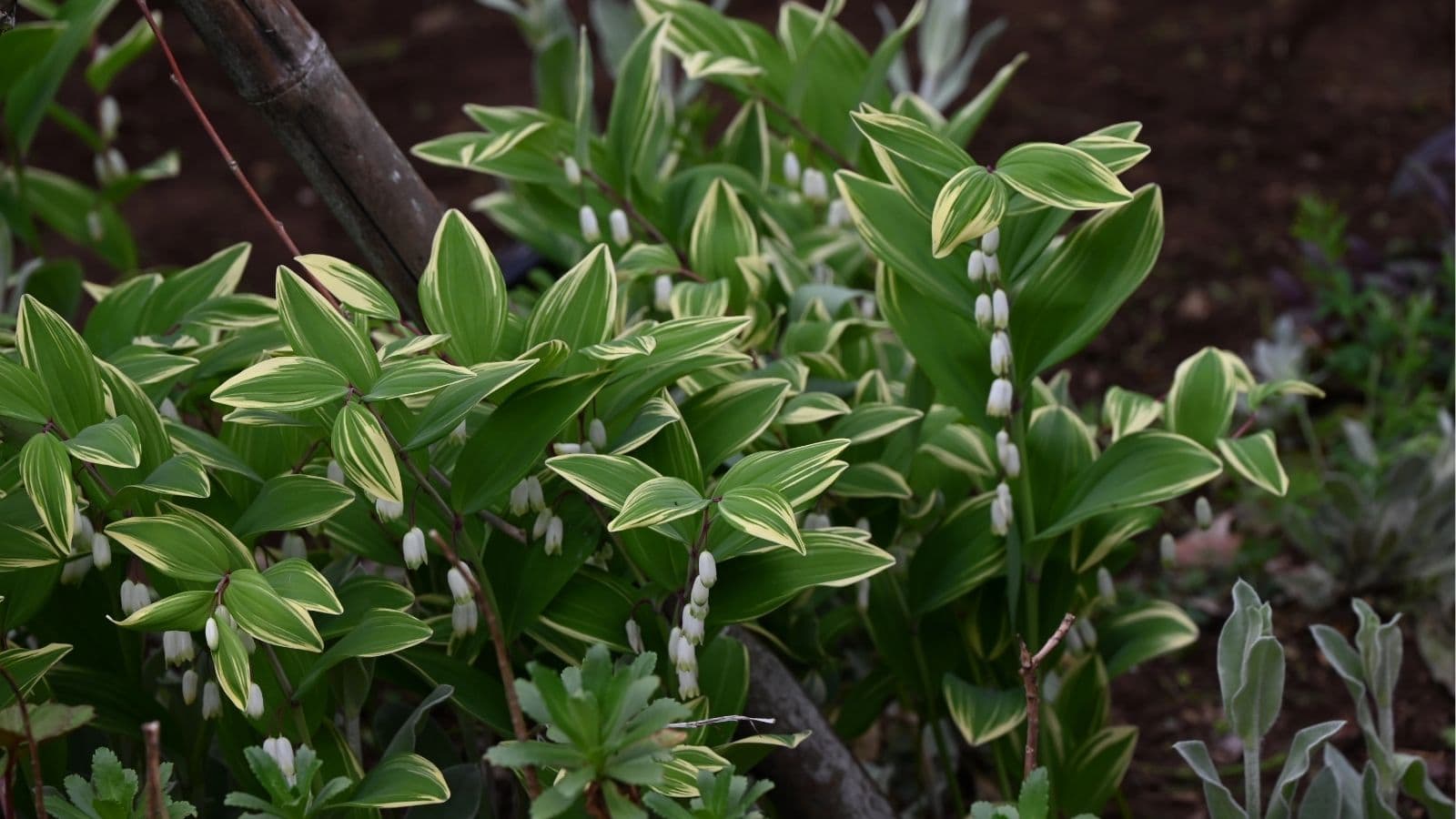
Native plants are adapted to your region’s climate and support local wildlife better than imported varieties. They need less water, fewer chemicals, and attract native pollinators. Start by swapping just a few non-natives for local favorites.
Create a Pollinator Garden

Plant flowers that bloom throughout the seasons to feed bees, butterflies, and hummingbirds. Avoid hybrids with little nectar and go for vibrant, open blooms. Your yard will soon buzz with life.
Conserve Water

Use rain barrels, drip irrigation, or mulch to reduce water waste. Native plants naturally require less watering once established. Every drop saved supports a more sustainable ecosystem.
Start a Compost Bin

Composting kitchen scraps and yard waste keeps organic matter out of landfills and feeds your soil. Rich compost encourages healthy microbes and better plant growth. It’s nature’s recycling system at work.
Ditch Chemical Fertilizers and Pesticides

These products harm beneficial insects and contaminate water sources. Choose organic pest control or companion planting instead. A balanced ecosystem manages itself naturally.
Add a Bird Feeder or Nesting Box

Birds help control insects, spread seeds, and bring joy to your garden. Offer food and shelter with feeders or nesting boxes. Keep them clean and safe to support local populations.
Leave Some Leaves

Fallen leaves create valuable habitat for insects and small creatures. Let a few piles rest under trees or shrubs through winter. They’ll break down and enrich your soil naturally.
Build a Bug Hotel

A simple stack of twigs, bamboo, and wood makes a cozy shelter for bees, beetles, and butterflies. Insects are the backbone of every ecosystem—give them a place to call home.
Use Natural Mulch
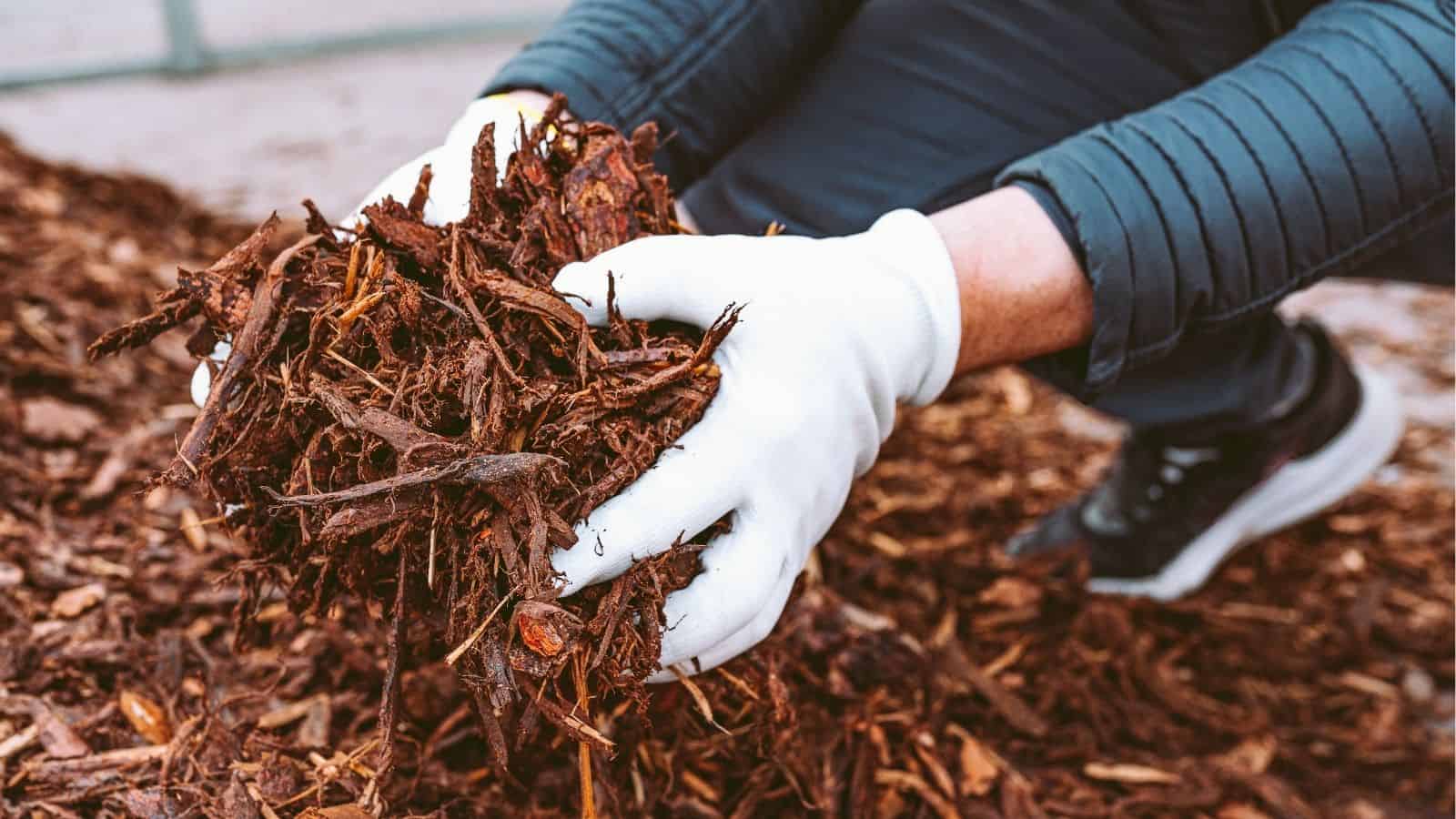
Mulching keeps soil moist, reduces erosion, and feeds earthworms as it breaks down. Choose natural materials like straw, bark, or shredded leaves. It’s a win-win for plants and soil life.
Grow a Tree or Two
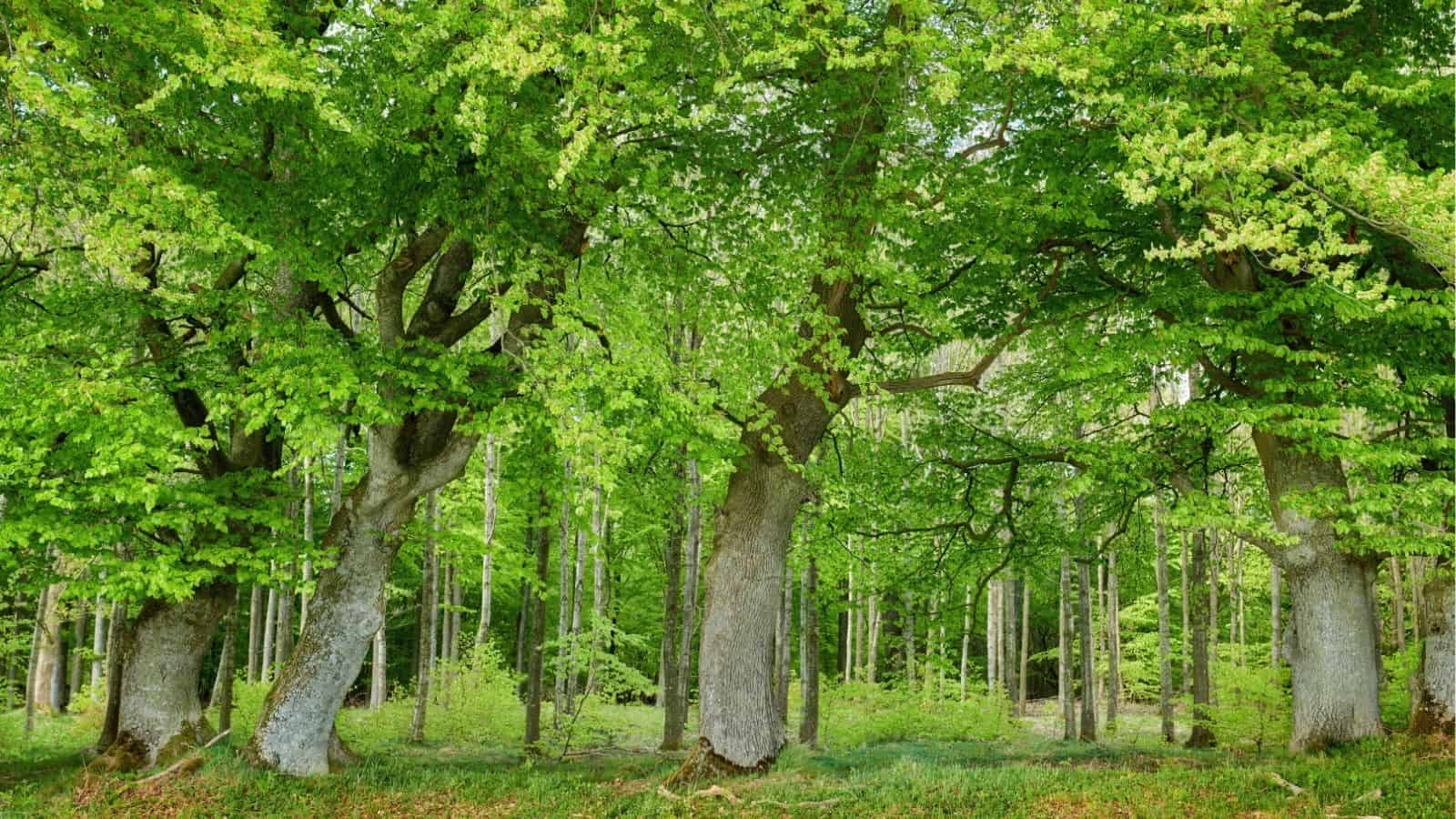
Trees absorb carbon dioxide, provide shade, and create homes for countless species. Even one small tree can cool your space and shelter local wildlife. Think of it as a long-term gift to the planet.
Reduce Outdoor Lighting

Bright lights can disorient birds, bats, and nocturnal insects. Switch to motion-sensor or soft amber lighting. A darker yard means a healthier nighttime ecosystem.
Support Local Wildlife with Water

A shallow dish, small pond, or even a dripping hose can provide water for birds, bees, and butterflies. Refresh it often to prevent mosquitoes. It’s one of the easiest ways to help.
Choose Eco-Friendly Lawn Care

Skip frequent mowing and let grass grow a little longer. You’ll use less fuel, reduce emissions, and give insects a place to thrive. Add clover for natural nitrogen and pollinator appeal.
Join or Start a Community Garden
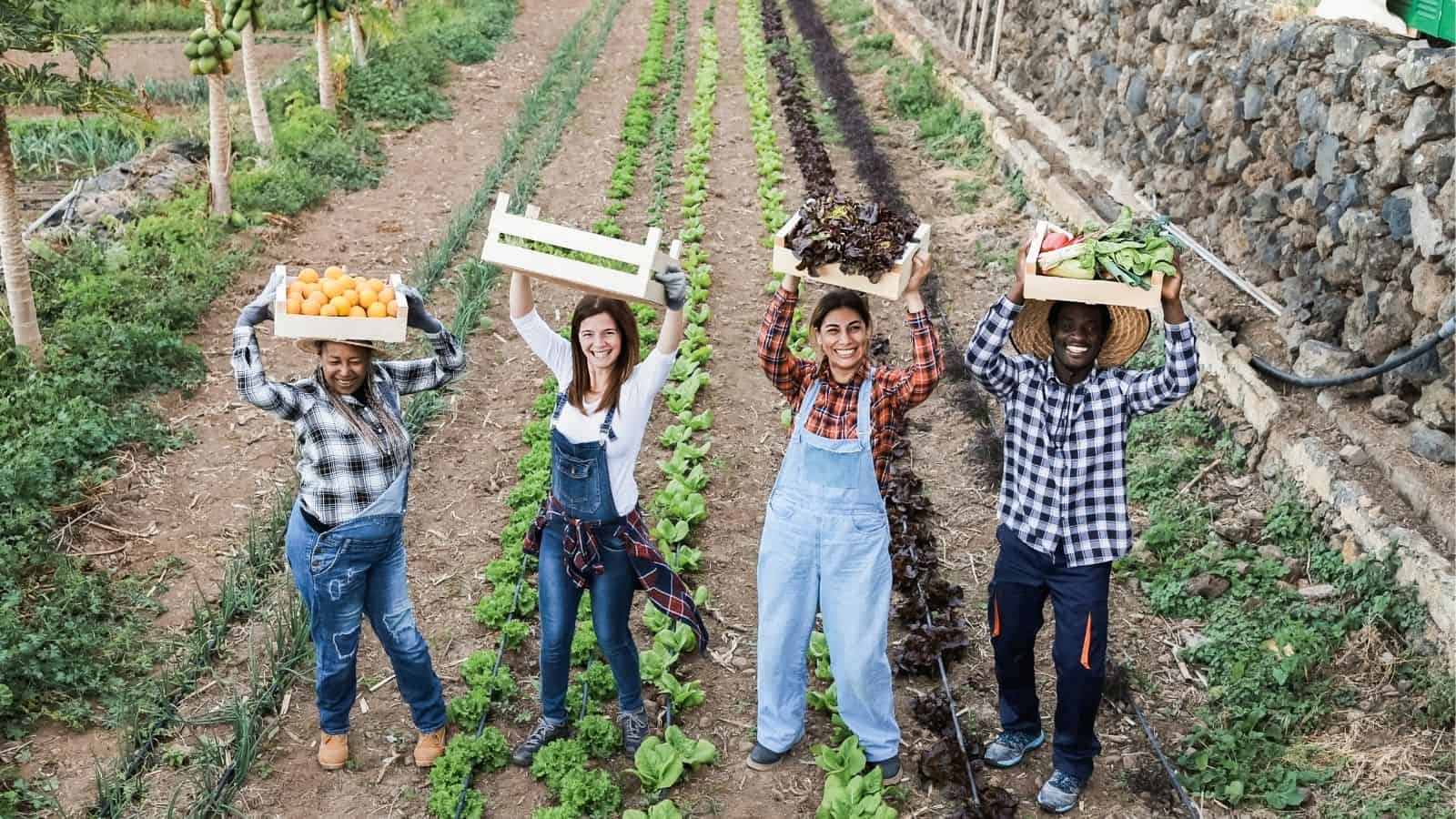
Working with neighbors builds connections and strengthens local biodiversity. Shared gardens often use sustainable practices that benefit everyone. Plus, it’s a great way to learn and share knowledge.
Teach and Inspire Others

Talk to friends, kids, and neighbors about your eco-friendly efforts. Every shared idea multiplies the positive impact. The more people take part, the healthier our shared world becomes.
Supporting the ecosystem doesn’t have to be complicated—it starts with the choices you make every day. Whether you plant a single native flower or build a birdhouse, your actions ripple outward, helping restore balance to nature. When we care for the life right outside our door, we help the entire planet thrive.




Comments
No Comments