

Fall is one of the easiest and most practical times of year to start a compost pile. With cooler temperatures, an abundance of organic material, and plenty of time before next year’s growing season, it’s the ideal moment to begin. Composting now sets you up for healthier soil and thriving plants come spring.
Instead of tossing away autumn’s bounty of leaves and garden leftovers, you can put them to work. Here’s why fall is the perfect season to kick off your composting journey.
Leaves Are in Abundance

Jump to a Section
Fallen leaves are one of the best “browns” you can add to your compost. They provide carbon, balance moisture, and break down into rich organic matter. With piles of them in your yard, you’ll have a free, plentiful resource.
Garden Cleanup Provides Great Material

As you clear out fading flowers, dead plants, and summer vines, you’re left with valuable compost ingredients. Most garden debris breaks down quickly and adds essential nutrients. Fall cleanup means less waste and more compost.
Cooler Weather Helps Balance Odors

Hot summer compost piles can sometimes get smelly. In fall, cooler temperatures slow down decomposition just enough to reduce odors. This makes managing a new pile much easier.
Rainfall Keeps Piles Moist

Autumn showers provide natural moisture that compost piles need. With just the right amount of dampness, your pile will break down efficiently. This helps you avoid constant watering.
Time to Break Down Before Spring

Starting in fall gives your compost months to decompose before planting season. By spring, you’ll have nutrient-rich material ready to feed your garden. It’s like preparing a head start for next year’s growth.
Lawn Clippings Add “Greens”

Cool-season grasses often need mowing into fall. Those fresh clippings are rich in nitrogen, the perfect complement to carbon-heavy leaves. Mixing the two creates a balanced compost recipe.
Food Scraps Keep the Process Active

With holiday cooking on the horizon, there’s no shortage of fruit and vegetable scraps. Adding them to your compost keeps decomposition steady through winter. It also helps reduce kitchen waste.
Less Insect Activity

By fall, many summer pests are gone, making it easier to manage your compost pile. With fewer insects, you won’t have to worry as much about swarms or unwanted visitors. This keeps composting simpler.
Easy Storage of Browns for Later
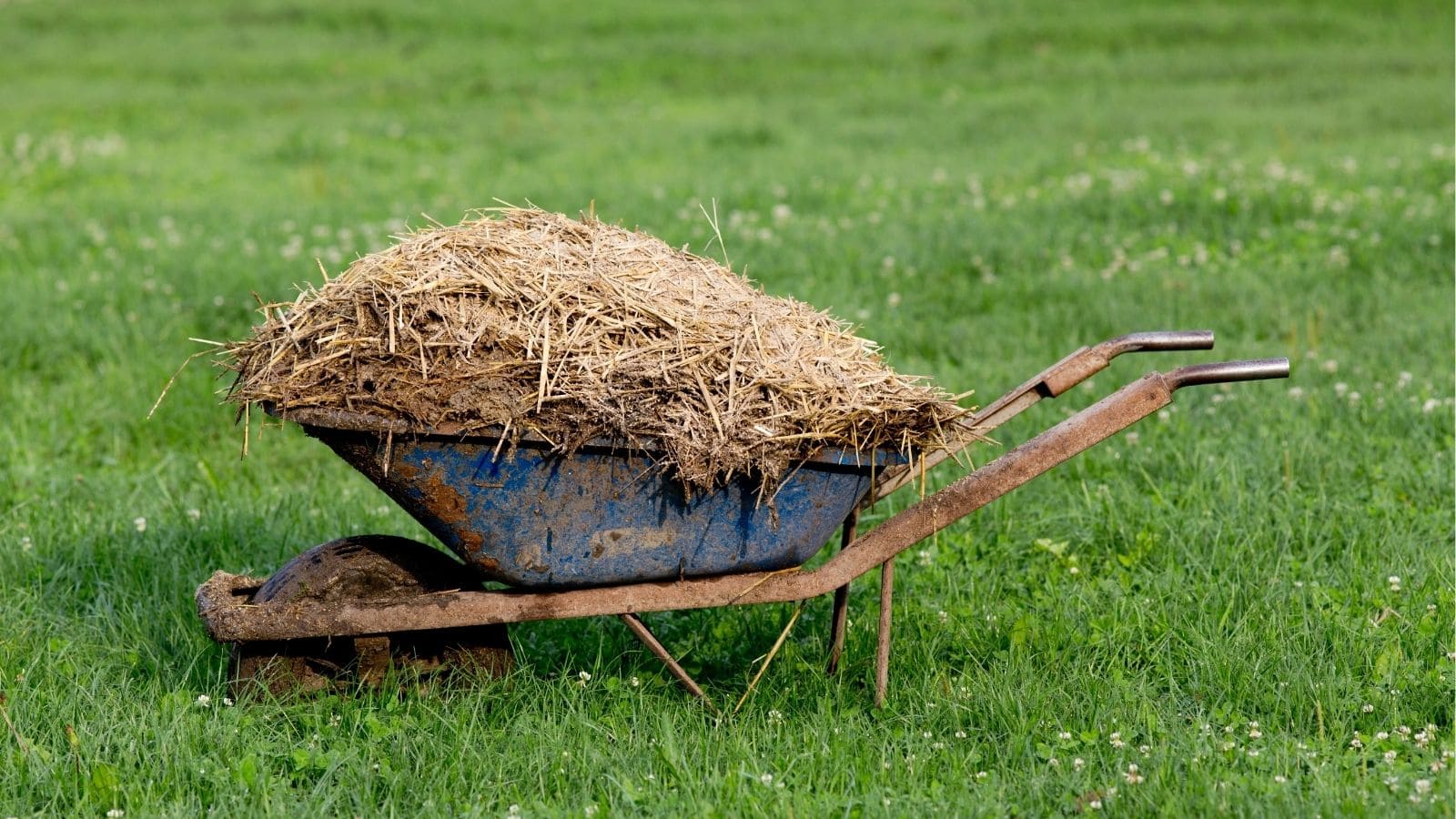
If you collect and store dry leaves in fall, you’ll have plenty of carbon-rich material to mix in year-round. Bagging leaves for future use is a simple way to keep your compost balanced. These stored browns are especially handy during spring and summer.
It’s a Sustainable Seasonal Habit

Starting a compost pile in fall helps reduce landfill waste while benefiting your garden. It’s an eco-friendly habit that ties perfectly into the season of renewal and preparation. Once you get started, it becomes second nature.
With all the natural materials fall provides, there’s no better time to begin composting. By turning autumn’s leftovers into nutrient-rich soil, you’ll set yourself up for a healthier, more sustainable garden next spring.





Comments
No Comments