

Late summer is a hidden gem of a season for foragers and herb lovers. While gardens begin to wind down, the wild offers up a bounty of medicinal and culinary herbs just waiting to be discovered. Whether you're walking a woodland trail or exploring a sunny field, now’s the time to keep your eyes open.
These 11 wild herbs are easy to spot in late summer and can be used fresh or dried for teas, tinctures, and home remedies. Just be sure to forage responsibly and always identify plants with care.
Goldenrod

Jump to a Section
Often mistaken for ragweed, goldenrod blooms in bright yellow clusters and is commonly found along roadsides and meadows. It’s known for its anti-inflammatory properties and is often used in teas to support kidney and urinary health.
Yarrow

This feathery-leaved herb with tiny white or pale pink flowers grows in open fields. Yarrow has been used for centuries to help stop bleeding, soothe wounds, and reduce fevers.
Mullein
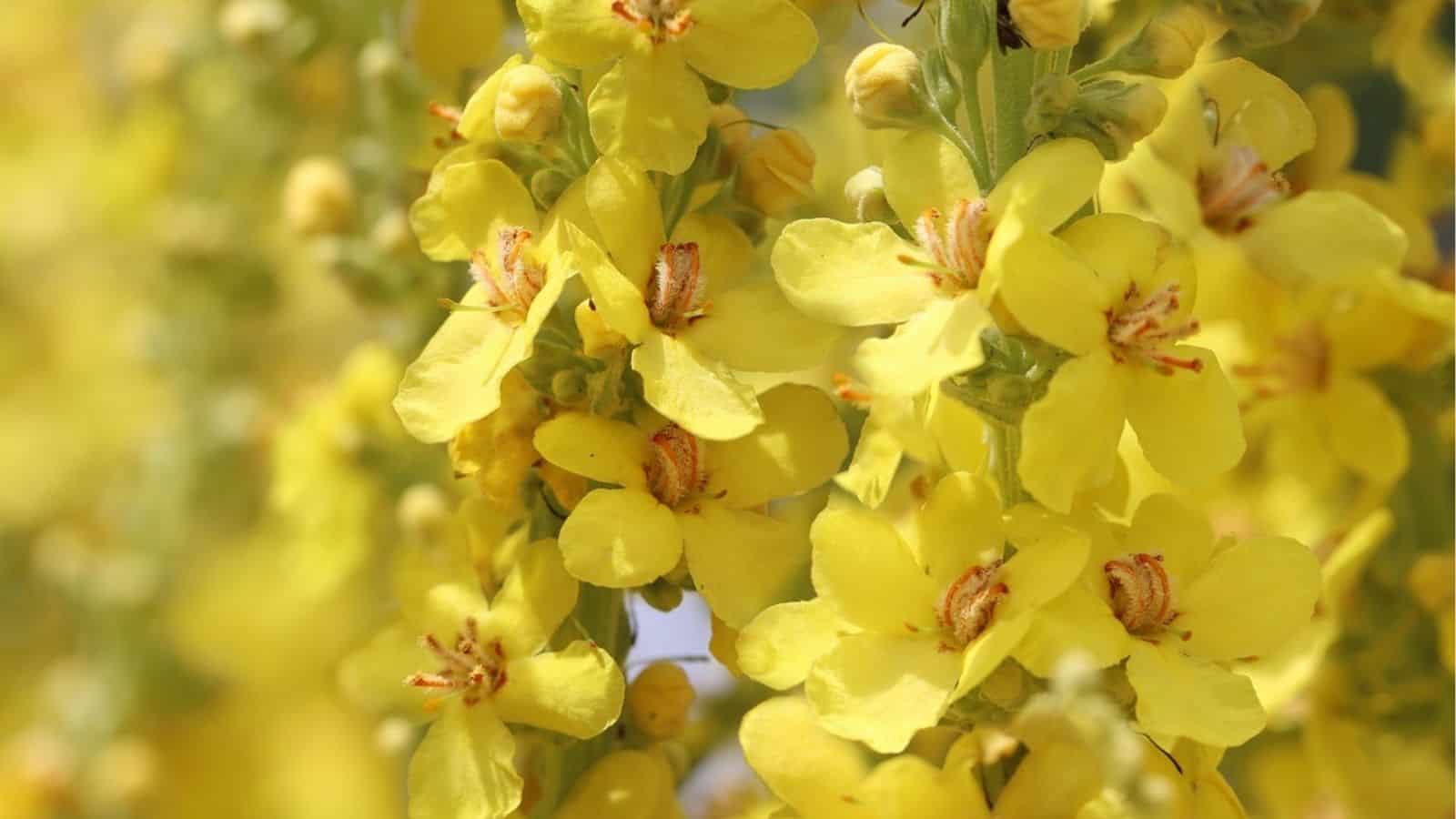
With its tall stalks and soft, fuzzy leaves, mullein stands out in sunny, dry areas. The leaves and flowers are often used in respiratory remedies, especially for coughs and congestion.
Red Clover

These pinkish-purple flowers pop up in grassy patches and are rich in nutrients. Red clover is commonly used in teas for hormone support and detoxification.
Plantain (Broadleaf or Narrowleaf)

This common “weed” thrives in disturbed soil, often along pathways. Its leaves are packed with healing power—great for bug bites, stings, and minor skin irritations when crushed and applied directly.
Chicory

Recognizable by its bright blue flowers and long taproot, chicory grows along roadsides. Its roots can be roasted and ground as a coffee substitute, and the leaves are edible when young and tender.
Self-Heal (Prunella vulgaris)

This low-growing plant with purple blooms often carpets grassy areas. As its name suggests, self-heal has been used in traditional medicine to treat cuts, inflammation, and sore throats.
Wild Mint

Follow your nose—wild mint varieties like spearmint and peppermint are often found near creeks and wet areas. They're perfect for teas, freshening up drinks, or soothing upset stomachs.
Queen Anne’s Lace (Wild Carrot)

This delicate white flower resembles lace and grows in dry fields. Its seeds and roots have been used in herbal traditions, but it’s crucial to identify correctly—it closely resembles the toxic poison hemlock.
Burdock

Burdock’s large leaves and burrs are easy to spot, and its roots are prized in both Western herbalism and traditional Asian medicine. It's used to support liver function and skin health.
Bee Balm (Wild Bergamot)

With its spiky purple or pink flowers, bee balm is a magnet for pollinators. Its leaves and flowers have antimicrobial properties and a spicy, minty flavor perfect for teas and natural remedies.
Late summer is a great time to connect with nature’s apothecary. Harvest these wild herbs thoughtfully and stock up on natural remedies for year-round use.





Comments
No Comments