

Winter folklore grew from long nights, quiet fields, and deep connections to the land. Plants, trees, and seasonal landscapes shaped beliefs meant to protect, explain, and comfort communities during the coldest months. These traditions blended survival with symbolism.
Passed down through generations, these 15 winter folklore traditions reflect humanity’s enduring bond with plants and the earth. They add meaning and wonder to the winter season.
Hanging Holly for Protection

Jump to a Section
Holly was believed to ward off evil spirits during winter. Its evergreen leaves symbolized life continuing through darkness. Homes displayed holly as a sign of safety and endurance.
Bringing Evergreens Indoors

Evergreens represented eternal life and resilience. Branches were brought inside to invite protection and renewal. This tradition influenced modern winter décor.
Burning the Yule Log

The Yule log symbolized warmth, light, and protection. It was often made from sacred or fruit-bearing trees. Burning it honored the returning sun.
Planting Garlic in Late Autumn

Garlic was planted as both food and protection. Folklore claimed it guarded homes against illness and harm. Winter planting strengthened its symbolic power.
Decorating With Mistletoe

Mistletoe symbolized peace and fertility. Hanging it encouraged harmony through the dark season. The plant’s mystery made it deeply symbolic.
Honoring the Elder Tree

Elder trees were believed to house protective spirits. Cutting them in winter was avoided. Respecting elder trees ensured good fortune.
Saving Seeds for Spring

Seeds represented hope and renewal. Storing them carefully through winter honored future abundance. This ritual reflected trust in the land’s cycle.
Using Juniper for Cleansing

Juniper was burned to cleanse homes and barns. Its smoke was believed to ward off sickness. Winter rituals often included this practice.
Leaving Offerings to the Land
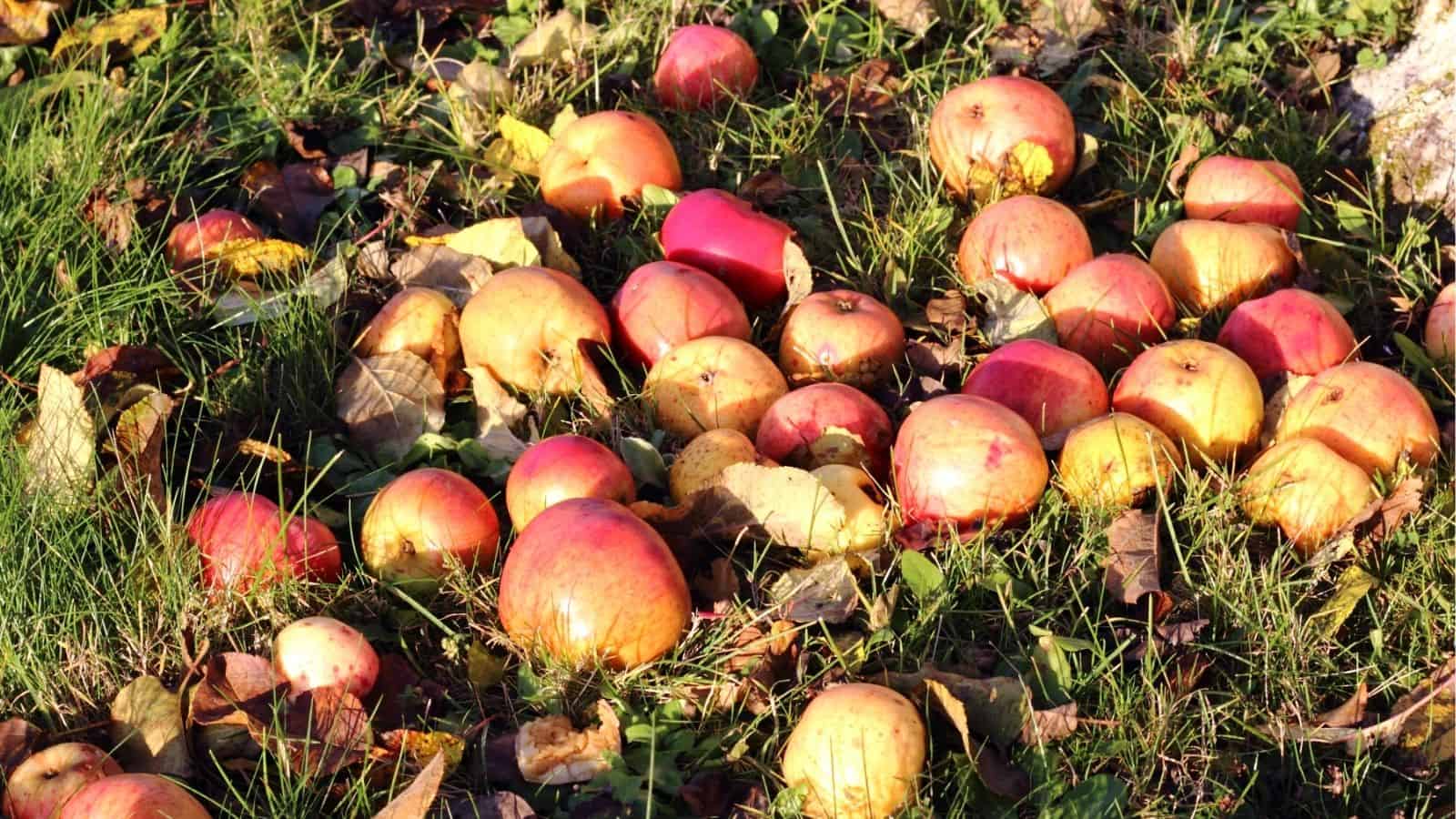
Food or greenery was left outdoors as a gift. This honored nature spirits and animals. The practice showed gratitude during scarcity.
Observing Trees for Weather Signs

Tree behavior was used to predict harsh winters. Frost patterns and branch movement held meaning. The land was read like a living calendar.
Carrying Bay Leaves for Strength

Bay leaves symbolized courage and protection. People carried them during difficult journeys. Winter travel gave this belief special importance.
Keeping Firewood Stacked Neatly

Orderly firewood symbolized preparedness and respect. Folklore suggested it invited good fortune. Firewood represented survival and care.
Wearing Evergreen Garlands

Evergreen garlands were worn or displayed during winter festivals. They symbolized endurance and unity. Plants connected people to nature even indoors.
Protecting Sacred Groves

Certain wooded areas were left untouched. They were believed to house spirits or wisdom. Winter silence deepened their sacred presence.
Watching Snow on Bare Branches
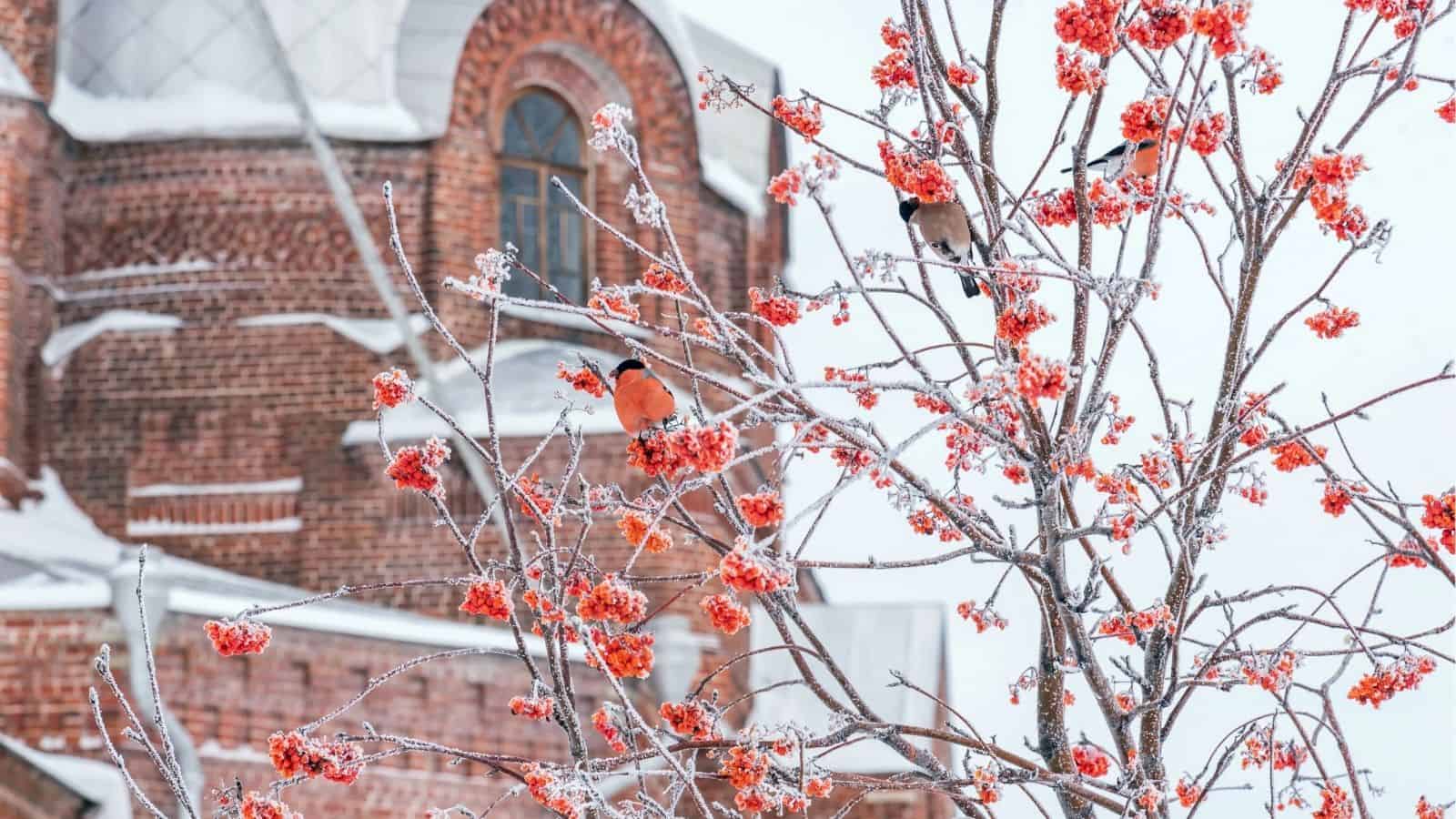
Snow-covered branches symbolized balance and patience. Folklore viewed this stillness as necessary rest. The land was believed to be gathering strength.
Winter folklore reminds us that plants and landscapes were once central to survival and belief. These traditions offer a quieter way to honor the season and the land itself.





Comments
No Comments