

Your lawn may look dormant in winter, but the steps you take during the colder months have a major impact on how well it bounces back in spring. Simple winter rituals can strengthen roots, protect soil, and set the stage for lush, green growth.
With just a little attention now, your lawn will reward you once the weather warms up again. These practical winter habits ensure your grass stays healthy beneath the surface. Follow them consistently and you’ll see the difference as soon as spring arrives.
Keep Fallen Leaves Under Control

Jump to a Section
Leaving heavy piles of leaves on the lawn smothers the grass. Rake or mulch them to prevent mold and bare spots. A clean surface helps your lawn breathe through winter.
Reduce Foot Traffic

Walking on frozen or wet grass compacts the soil. This damages roots and slows spring recovery. Stick to walkways to protect tender lawn areas.
Clean Up Yard Debris

Remove branches, toys, and tools before winter sets in. Objects left on the lawn can create dead patches. Keeping the yard clear supports healthy spring growth.
Mow One Last Time

Give your lawn a final cut before the cold becomes consistent. Slightly shorter grass prevents matting and snow mold. Avoid cutting too low, which weakens the blades.
Aerate Before the Ground Freezes

Late fall or early winter aeration relieves soil compaction. Open channels help roots get oxygen and water. This simple step gets your lawn ready for spring feeding.
Apply a Winter Fertilizer

Winterizing fertilizer provides slow-release nutrients that strengthen roots. It helps your lawn store energy for spring. Look for formulas high in potassium.
Protect Vulnerable Areas With Mulch
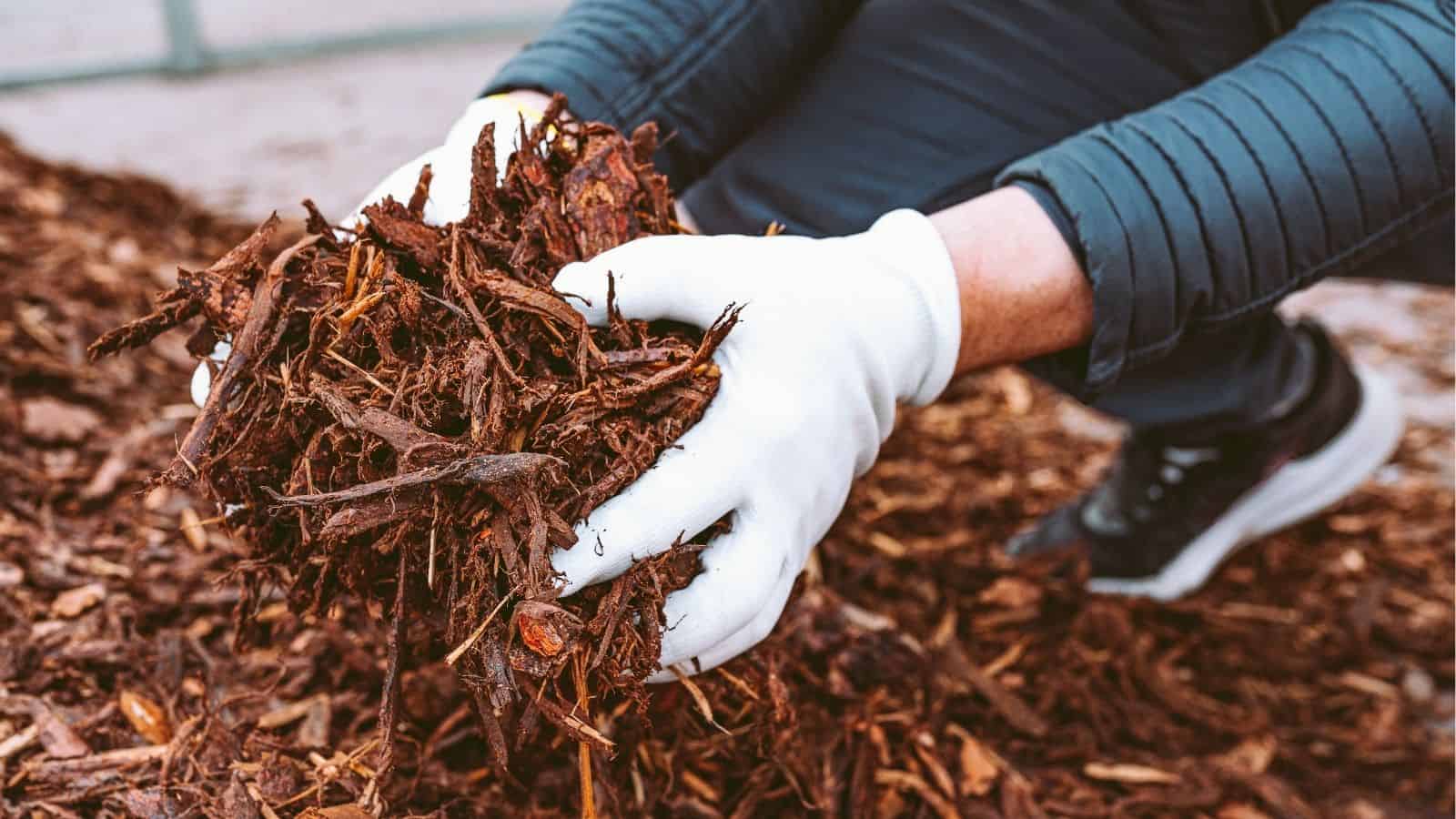
Add mulch around exposed or sensitive edges. This shields roots from freeze–thaw damage. Mulch also helps soil retain moisture.
Overseed Thin Spots Early

If warm conditions allow, overseed sparse areas before winter. Seeds have time to settle even if they won’t sprout until spring. This creates a thicker, healthier lawn later.
Clear Snow Gently

Harsh shoveling or snow-blowing too low can tear up grass. Lift equipment slightly to avoid scalping the lawn. Gentle clearing protects the soil beneath.
Prevent Ice Buildup

Ice suffocates the lawn and encourages disease. Avoid dumping snow from driveways onto grass where it can melt and refreeze. Good drainage helps reduce ice patches.
Reduce Salt Exposure

Salt used on sidewalks and driveways can burn grass. Use pet-safe or lawn-safe alternatives when possible. If salt runoff is unavoidable, rinse the area on warmer days.
Water During Dry Winter Spells

If you live in a mild winter climate, occasional watering may still be necessary. Dry conditions stress the roots. A little moisture helps maintain lawn health.
Watch for Winter Diseases

Snow mold and other fungal issues can develop under wet, compacted conditions. Keep the lawn clear and lightly raked when possible. Early prevention means fewer spring repairs.
Trim Surrounding Trees and Bushes

Winter is a great time to prune overgrown branches. This increases sunlight and airflow to the lawn in spring. Healthy turf thrives when shaded areas are opened up.
Plan Spring Lawn Tasks Early

Use winter downtime to organize tools, schedule aeration, and plan fertilizer schedules. Being prepared ensures you start strong when warming begins. Early planning makes spring care easier and more effective.
These winter lawn rituals take just a little effort but deliver big rewards when spring arrives. By protecting your turf now, you’ll enjoy greener grass, stronger roots, and a healthier lawn overall. Start these habits each winter and watch your lawn come back better every year.





Comments
No Comments