

• Skip to main content
  • Skip to primary sidebar

Schisandra & Bergamot logo

menu icon
go to homepage
  • Index
  • Subscribe
  • About
  • Contact
  • Daily Herb
    • Facebook
    • Instagram
    • Pinterest
  • subscribe
    search icon
    Homepage link
    • Index
    • Subscribe
    • About
    • Contact
    • Daily Herb
    • Facebook
    • Instagram
    • Pinterest
  • ×
    Home » Trending

    Published: Nov 26, 2025 by Kristen Wood · This post may contain affiliate links. If you make a purchase through links on our site, we may earn a commission. ·

    15 winterizing tasks that help your garden rest well

    0 shares
    • Facebook
    • Reddit

    Preparing your garden for winter is one of the best ways to support healthier growth when spring returns. A few thoughtful steps now can protect roots, enrich soil, and give every plant a stronger start for the next season. Winterizing also helps your garden rest naturally, just as it’s meant to during colder months.

    This list highlights simple, effective tasks that make your garden more resilient through winter. With a little preparation, you can set the stage for lush, thriving plants in the months ahead.

    Add a Layer of Mulch

    A person wearing gardening gloves places mulch around the base of a young tree, with a bucket of mulch nearby on the grass.
    Photo Credit: ronstik/Envato

    Mulch helps insulate soil, regulate temperature, and retain moisture through cold spells. A fresh layer of straw, wood chips, or shredded leaves protects plant roots from sudden freezes. It’s one of the easiest and most effective winterizing steps.

    Water Before a Hard Freeze

    A person watering soil beds with a hose inside a greenhouse, surrounded by various growing plants and vegetables.
    Photo Credit: Zoe Richardson/Unsplash

    Deeply watering perennial beds and trees before temperatures drop helps them withstand drying winter winds. Moist soil holds heat longer and reduces plant stress. This simple step can make a big difference in survival rates.

    Cut Back Dead or Diseased Growth

    A hand uses scissors to prune dead leaves from a potted plant on a windowsill, with other plants and a watering can nearby.
    Photo Credit: Alexey_Arz/Deposit Photos

    Removing damaged or diseased stems prevents problems from spreading during winter. It also helps plants conserve energy for essential root functions. Leave healthy growth alone if it provides natural winter protection.

    Leave Seed Heads for Wildlife

    Photo Credit: lucky_ch/Envato

    Instead of clearing everything, consider leaving seed-bearing plants like coneflowers and grasses. They offer birds natural food sources through winter. Their structure also adds beauty and texture to cold-season landscapes.

    Protect Young Trees

    Photo Credit: joaquincorbalan/Envato

    Wrap trunks with burlap or tree guards to prevent winter burn and animal damage. Young bark is especially vulnerable to harsh winds and gnawing wildlife. This small effort helps trees establish more safely.

    Clean and Store Garden Tools

    A set of gardening tools, a yellow spray bottle, rocks, and a striped cloth are arranged on a wooden slab atop a white tablecloth.
    Photo Credit: armacuatro/Envato

    Wash mud off tools, sharpen blades, and store everything in a dry place. Proper maintenance extends their lifespan and prevents rust. Come spring, you’ll be ready to work without delays.

    Add Compost to Beds

    Two wooden compost bins filled with decomposing organic matter, featuring wire mesh sides and temperature gauges inserted in the material.
    Photo Credit: Frank Thiemonge/Unsplash

    Spreading a layer of compost gives soil time to absorb nutrients through winter. Microorganisms continue to break down organic matter even in cold conditions. By spring, beds will be richer and more productive.

    Cover Sensitive Plants

    Young plants growing in rows under a white fabric tunnel in a garden, with soil visible and clips securing the covering.
    Photo Credit: verba0711/Envato

    Tender perennials and shrubs may need burlap wraps, frost cloths, or protective cones. These coverings buffer them from freezing temperatures and drying winds. It’s a simple way to give delicate plants a fighting chance.

    Winterize Your Irrigation System

    A man in work clothes sits outdoors, handling electrical wires and tools near blue tubing, surrounded by landscaped plants and garden features.
    Photo Credit: welcomia/Deposit Photos

    Drain hoses, disconnect sprinklers, and store watering attachments indoors. This prevents cracking and leaks caused by frozen water. Protecting your irrigation system saves money—and headaches—in the long run.

    Rake Heavy Leaves Off Lawns

    Photo Credit: maxbelchenko/Envato

    While leaf piles benefit wildlife in certain areas, thick layers on lawns can smother grass. Rake or mulch them so your lawn can breathe through winter. Use the collected leaves as mulch or compost material.

    Add Row Covers to Garden Beds

    A lush green field with a house in the background, surrounded by trees under a clear sky.
    Photo Credit: Hans/Pixabay

    Row covers provide lightweight protection for cold-sensitive vegetables and herbs. They help trap warmth while still allowing moisture and light to pass through. It’s a great way to extend the harvest season.

    Insulate Raised Beds

    A person wearing a sun hat tends to plants in a raised bed vegetable garden on a sunny day.
    Photo Credit: bravomike1969/Envato

    Raised beds lose heat faster than in-ground gardens. Adding extra mulch or covering them with burlap helps regulate soil temperatures. This provides better winter protection for roots and soil organisms.

    Dig Up Tender Bulbs

    Photo Credit: JulieStar/Envato

    Plants like dahlias and gladiolus need to be lifted and stored indoors. Dry them, pack in a cool area, and replant once the weather warms again. This ensures they return healthy next season.

    Secure Garden Structures
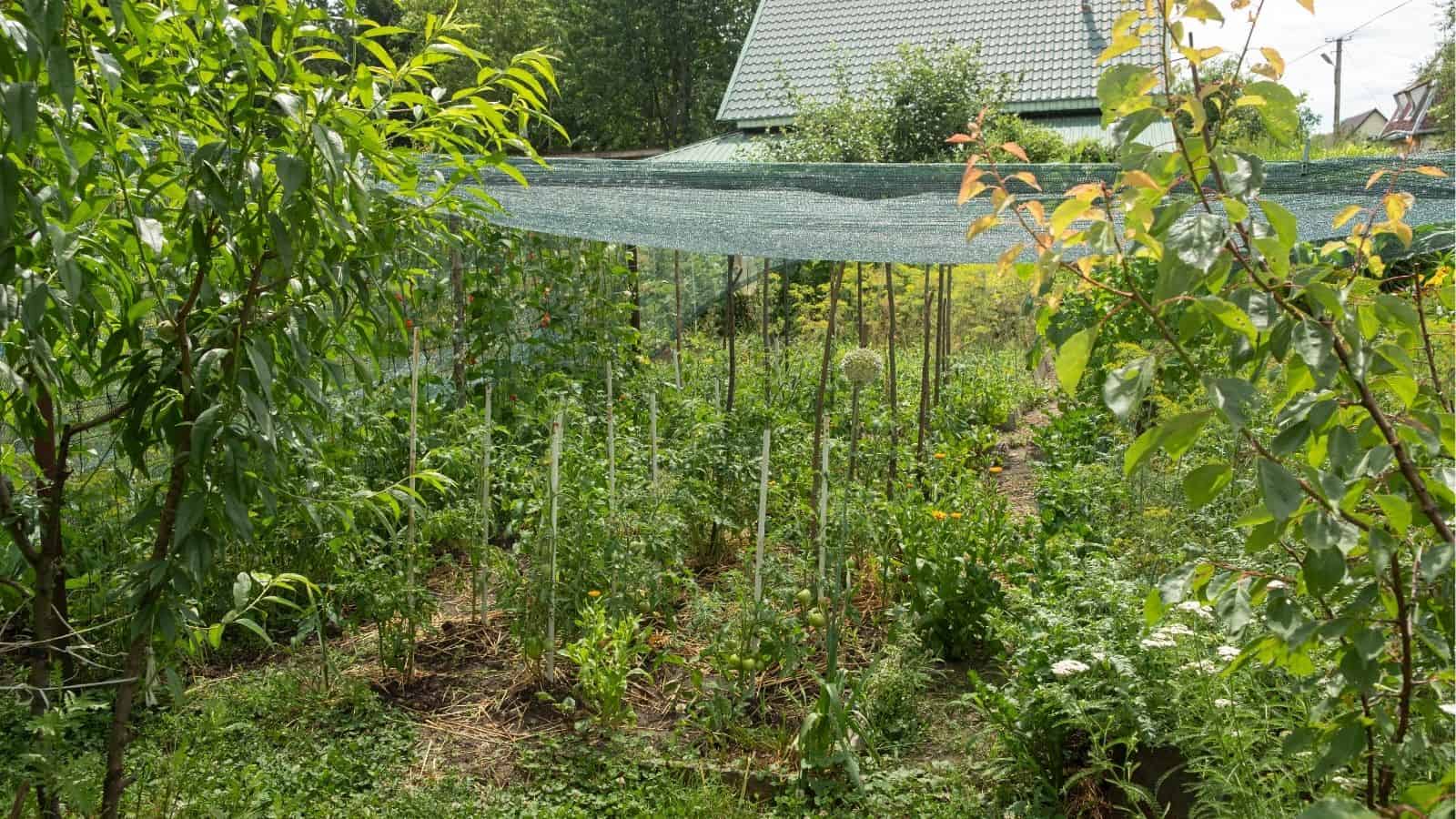
    A vegetable garden with various plants and support stakes under a shade net, surrounded by fruit trees, with a house and greenery in the background.
    Photo Credit: eugenehill/Deposit Photos

    Wind, snow, and ice can damage trellises, fencing, and arbors. Tighten loose parts and store lightweight structures that may blow away. A quick check now prevents problems mid-winter.

    Plan Early for Spring

    Two workers in aprons stand in a greenhouse, reviewing a clipboard together next to a cart filled with blooming flowers and plants.
    Photo Credit: SashaKhalabuzar/Deposit Photos

    Use the quiet winter season to map out next year’s garden layout. Take notes on what thrived, what struggled, and what changes you want to make. Thoughtful planning helps your garden start strong when the growing season returns.

    Winterizing your garden is a small investment that pays off with healthier plants and easier springtime work. With just a bit of preparation, you help your outdoor space rest, recharge, and become more resilient. When warmer days return, your garden will be ready to grow with renewed energy and strength.


    More Trending

    • A woman in winter clothing sits cross-legged on a sofa, holding a yellow apple in one hand and a white mug in the other, and smiling at the camera.
      15 simple slow-living ideas to help you ease into the colder months
    • A gazelle stands in tall, dry grass with several other gazelles in the background.
      15 small outdoor habits that support wildlife all winter
    • Woman standing in a modern kitchen, smiling and pointing at a wall-mounted touchscreen control panel with various smart home icons displayed.
      15 easy ways to keep energy costs down this season
    • A man in work overalls stands in a kitchen, scratching his head in confusion while looking at pipes and tools on the counter.
      15 winter home maintenance tasks you’ll be glad you handled early

    About Kristen Wood

    Kristen is a plant lover, gardener, certified functional nutritional expert, cookbook author, writer, and photographer. Her work has been featured in many online and print publications including Willow & Sage Magazine, Forbes, NBC, New York Daily News, Healthline, MSN, Elle, Yoga Journal, and many more. She is also a syndicated writer for The Associated Press.

    Reader Interactions

    Comments

    No Comments

    Leave a Reply Cancel reply

    Your email address will not be published. Required fields are marked *

    Recipe Rating


    Primary Sidebar

    A close up of a woman's face in the sun, radiating with the gentle glow of schisandra and bergamot home.

    About Kristen Wood

    Kristen is a plant lover, gardener, certified functional nutritional expert, cookbook author, writer, and photographer. Her work has been featured in many online and print publications including Willow & Sage Magazine, Forbes, NBC, New York Daily News, Healthline, MSN, Elle, Yoga Journal, and many more. She is also a syndicated writer for The Associated Press.

    Learn more about me →

    Herb of the Day

    Meet today’s featured herb with gentle kitchen ideas, botanical notes, folklore, and a quiet reflection to take with you.

    Explore Today’s Herb

    Follow us!

    Footer

    ↑ back to top

    About

    • Privacy Policy
    • Google Web Stories
    • Accessibility Statement
    • Disclaimer

    Newsletter

    • Sign up for our newsletter to receive our latest posts!

    Contact

    • Contact

    Copyright © 2025 Schisandra & Bergamot
    Disclaimer: As An Amazon Associate I Earn From Qualifying Purchases.

    Herb of the Day

    Discover today’s featured herb with simple kitchen ideas, botanical notes, folklore, and a reflective message.

    Explore
    0 shares