

As the air turns crisp and the leaves begin to fall, the forest comes alive with movement and sound. Many woodland animals grow busier in autumn, gathering food, preparing nests, and getting ready for the long winter ahead.
Whether you’re walking a quiet trail or simply watching your backyard, fall offers some of the best wildlife-watching moments of the year. Here are 11 woodland animals you’re more likely to see in fall.
Squirrels

Jump to a Section
Squirrels are among the most active animals in fall, scurrying through trees and across lawns collecting acorns and nuts. They bury their treasures in hidden caches to sustain them through winter. Their lively antics make them one of autumn’s most familiar sights.
Deer
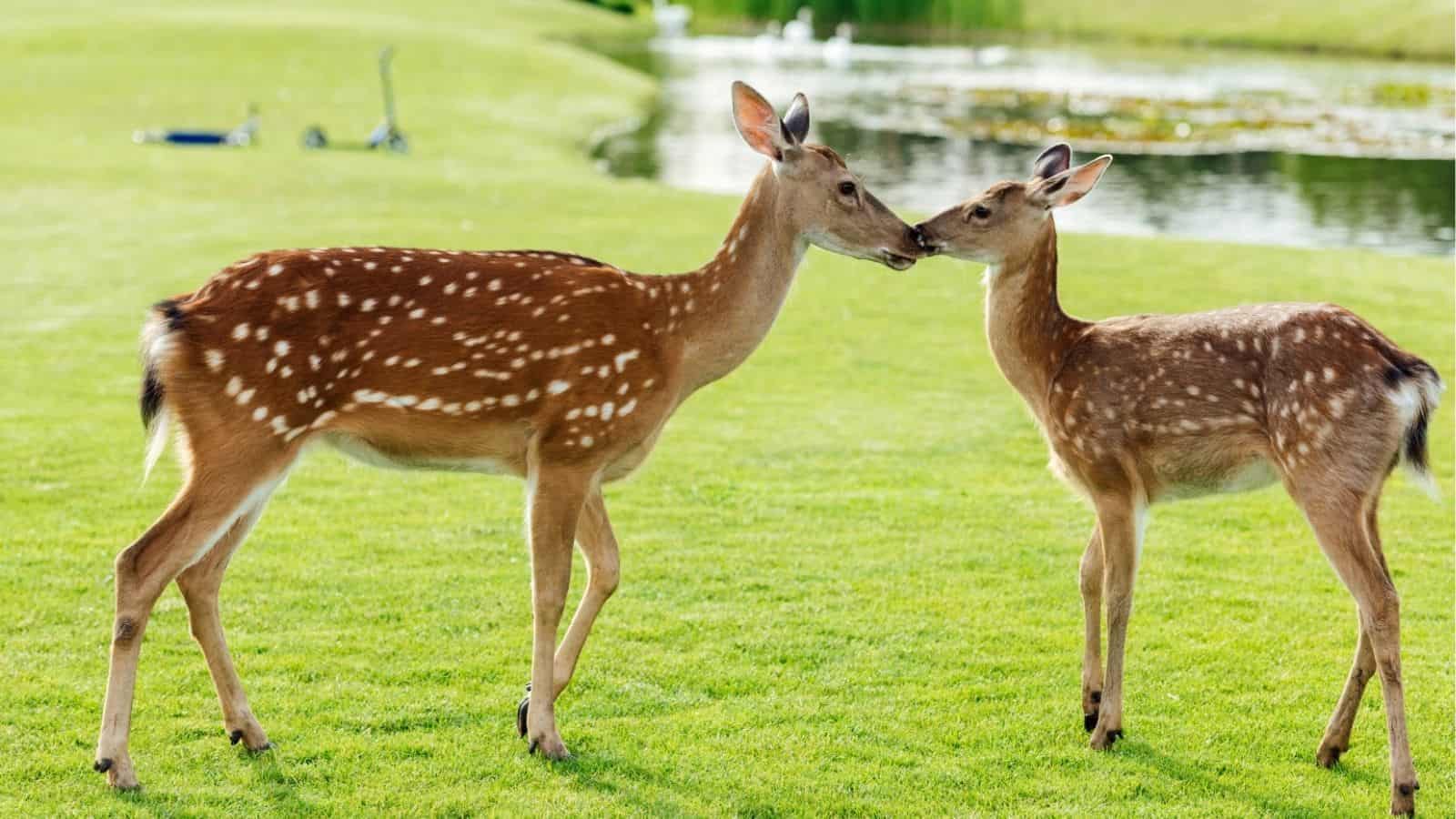
Fall is mating season for deer, so you’re more likely to spot them roaming fields and forest edges. Bucks often clash antlers in dramatic displays of dominance. Their graceful presence adds a quiet beauty to the autumn landscape.
Foxes

Foxes become more visible in fall as they hunt to build fat reserves for the cold months ahead. They’re often seen at dawn or dusk, gliding through meadows and woodlands with quick, confident movements. Their rich red coats blend perfectly with the season’s colors.
Chipmunks

Unlike squirrels, chipmunks store their food underground and spend much of winter hibernating. In fall, they’re busy collecting seeds, nuts, and berries to fill their burrows. Listen closely—you might hear their cheerful chirps echoing through the trees.
Owls

As nights grow longer, owls become easier to spot and hear. They perch silently on branches, hunting small mammals drawn out by the cool weather. Their haunting calls often mark the start of autumn evenings in the woods.
Raccoons

Raccoons forage heavily in fall, eating anything from fallen fruit to leftover birdseed. They’re nocturnal but often venture out earlier as days shorten. With their clever paws and curious nature, they’re fascinating (if mischievous) woodland visitors.
Wild Turkeys

Fall flocks of wild turkeys are a common woodland sight, especially in open clearings and fields. They forage for seeds, insects, and fallen nuts, moving together in lively groups. Their rhythmic gobbles and rustling feathers add to autumn’s soundtrack.
Woodpeckers
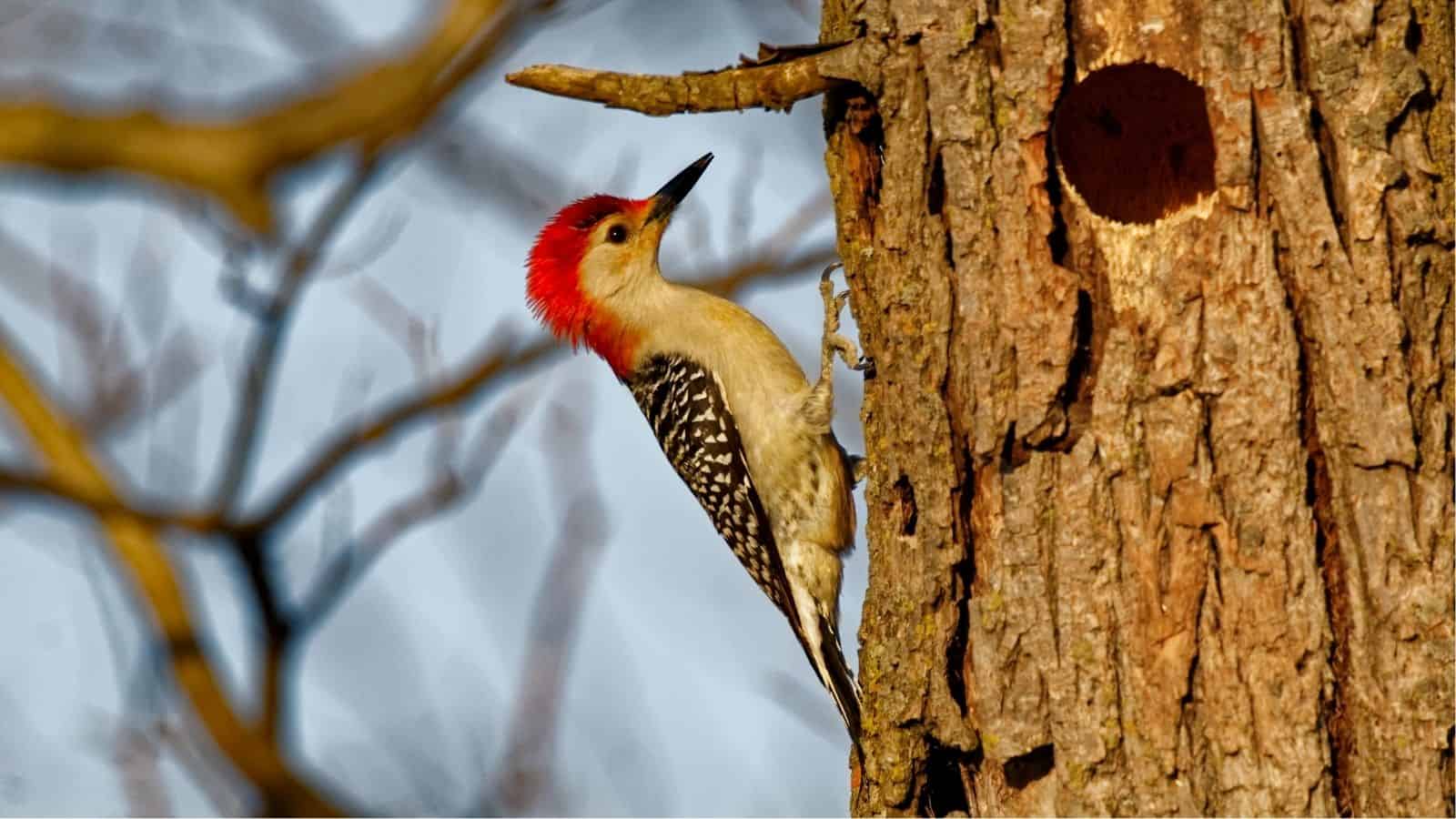
Woodpeckers stay active through fall, hammering at tree trunks to find insects hiding beneath the bark. Their rhythmic tapping echoes through the forest canopy. They also create storage holes for acorns—a clever trick to keep food handy for winter.
Rabbits

With plenty of fallen leaves to hide in, rabbits become more visible during the cooler months. They graze on grasses and bark, often venturing closer to homes and gardens. Their soft movements bring a touch of calm to autumn mornings.
Bears

In regions where bears roam, fall is a crucial feeding time before hibernation. They feast on berries, nuts, and fish to build fat reserves. Spotting one (from a safe distance!) is a reminder of nature’s powerful seasonal rhythms.
Hedgehogs
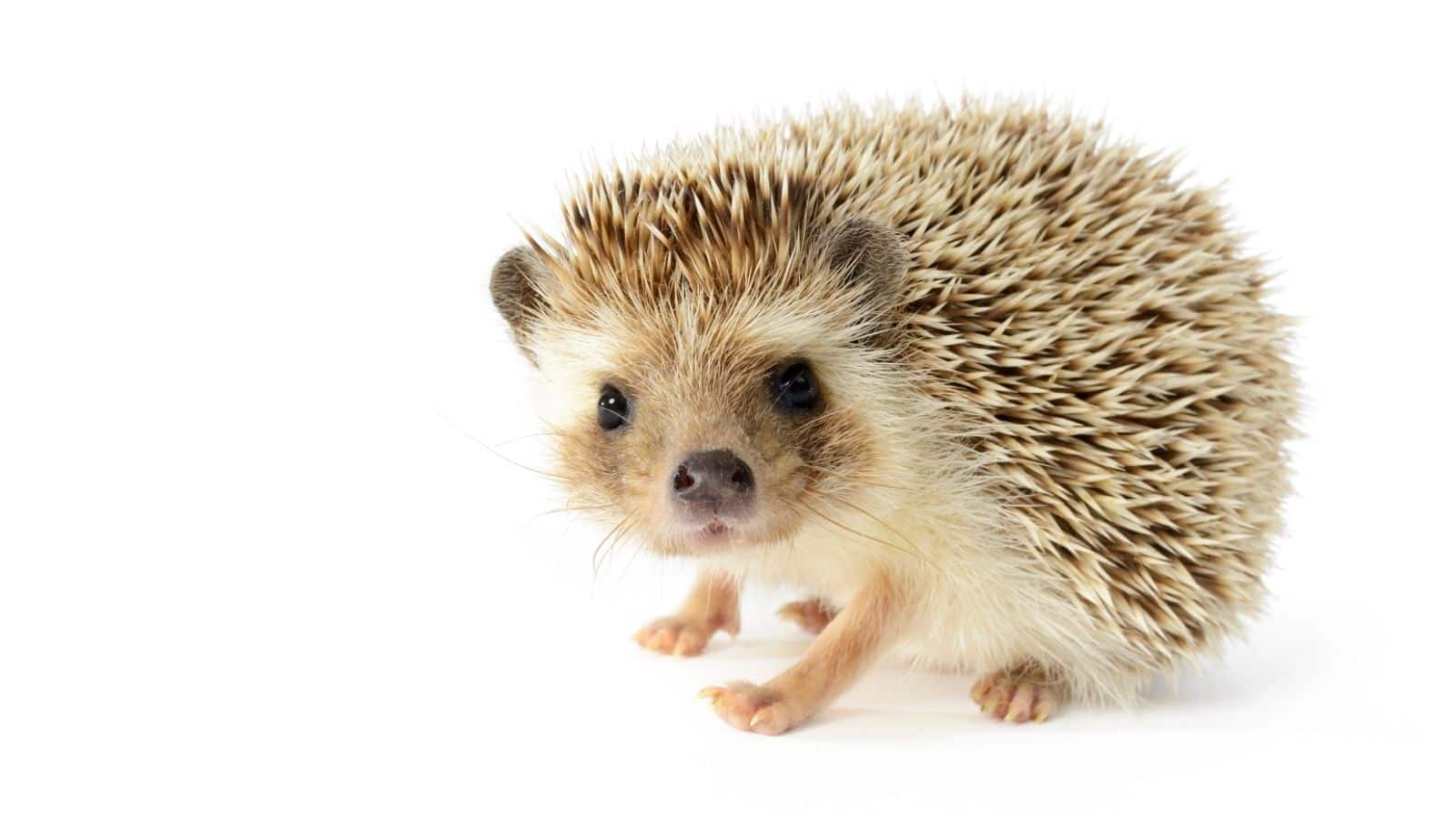
In areas where hedgehogs live, fall marks their busy season of foraging before hibernation. They search for insects and worms beneath piles of leaves. A leaf-covered corner or brush pile in your yard can offer them cozy shelter for the winter ahead.
Fall offers a front-row seat to one of nature’s most active and colorful transitions. Watching woodland animals prepare for winter reminds us how every creature plays a role in the rhythm of the seasons. So next time you step outside, take a quiet moment—there’s more life in the autumn woods than meets the eye.





Comments
No Comments