

Woodland plants have inspired stories and traditions for centuries, carrying folklore that connects people to nature. From protective herbs to enchanted blooms, these plants were valued for both practical and mystical purposes. Their tales continue to spark imagination and appreciation for the natural world.
These 15 woodland plants come with folk stories and legends passed down through generations. Learning about them adds depth, charm, and cultural history to your garden or nature walks.
Oak

Jump to a Section
The oak tree was often seen as a symbol of strength and endurance. Folklore held that spirits resided in its branches, offering protection to nearby homes. Oaks were central in rituals and storytelling across Europe.
Holly

Holly leaves and berries were believed to ward off evil spirits. During winter solstice celebrations, holly was hung indoors for protection and luck. Its vibrant red and green also symbolize life in the cold months.
Hazel
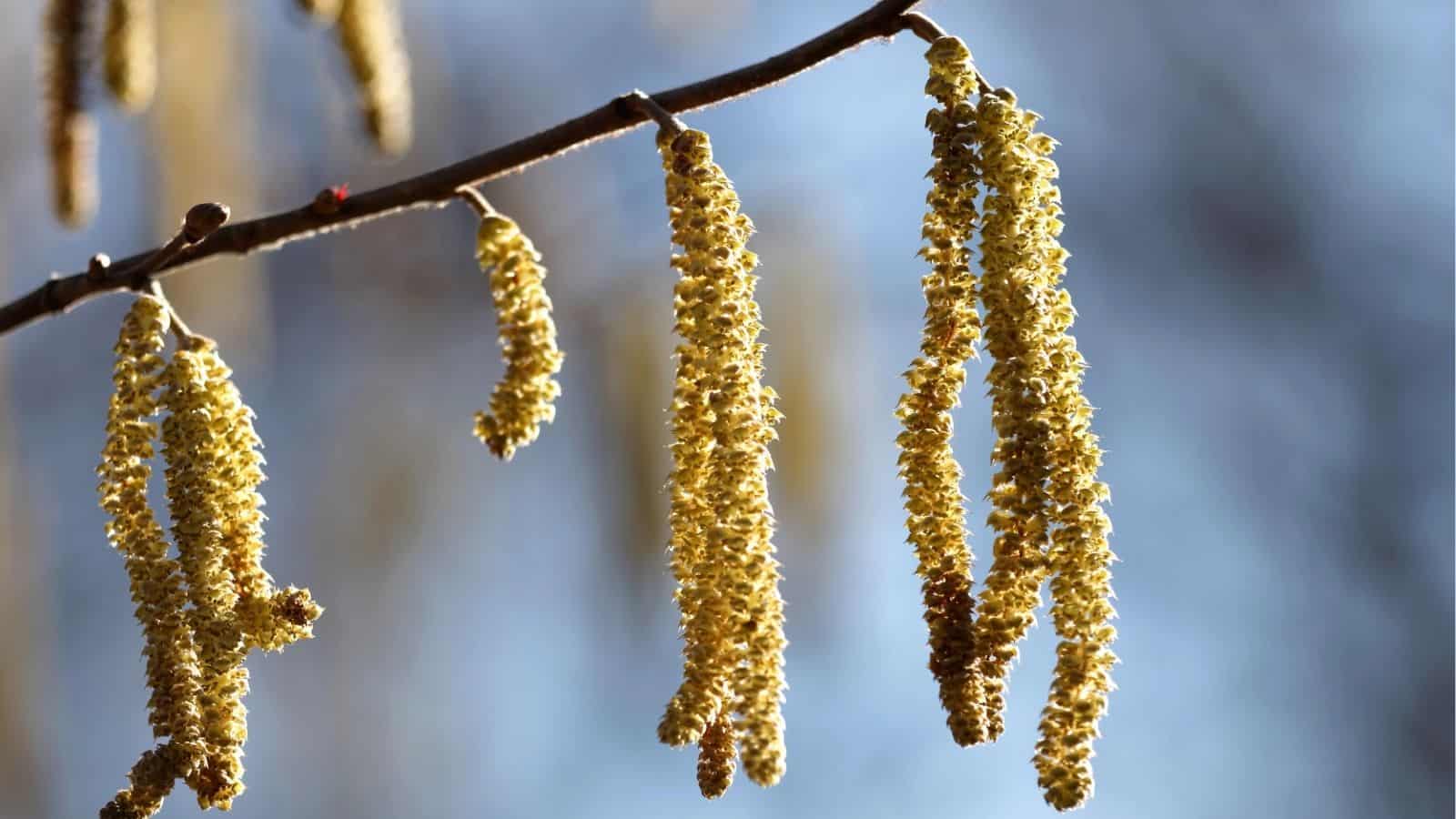
Hazel trees were associated with wisdom and inspiration in Celtic folklore. Nuts were considered sacred, granting knowledge or protection when carried. Hazel groves were often used for divination and magical rites.
Elder

Elder trees were thought to house protective spirits known as “Elder Mother.” Branches and berries were used in folk remedies and charms. Cutting an elder without asking the spirits was believed to bring misfortune.
Fern

Fern was linked to invisibility and magical protection in European folklore. Carrying fern seeds or placing fronds in the home was said to ward off danger. Ferns were often gathered under strict seasonal rules to preserve their magic.
Ivy

Ivy symbolized fidelity and eternal life in many cultures. It was often grown around homes or on walls for protection. Legends claimed that ivy could bind spirits and shield inhabitants from harm.
Mistletoe

Mistletoe was considered sacred, a symbol of peace and fertility. Hanging mistletoe during winter celebrations was believed to bring good luck. It also inspired romantic traditions still celebrated today.
Bluebell
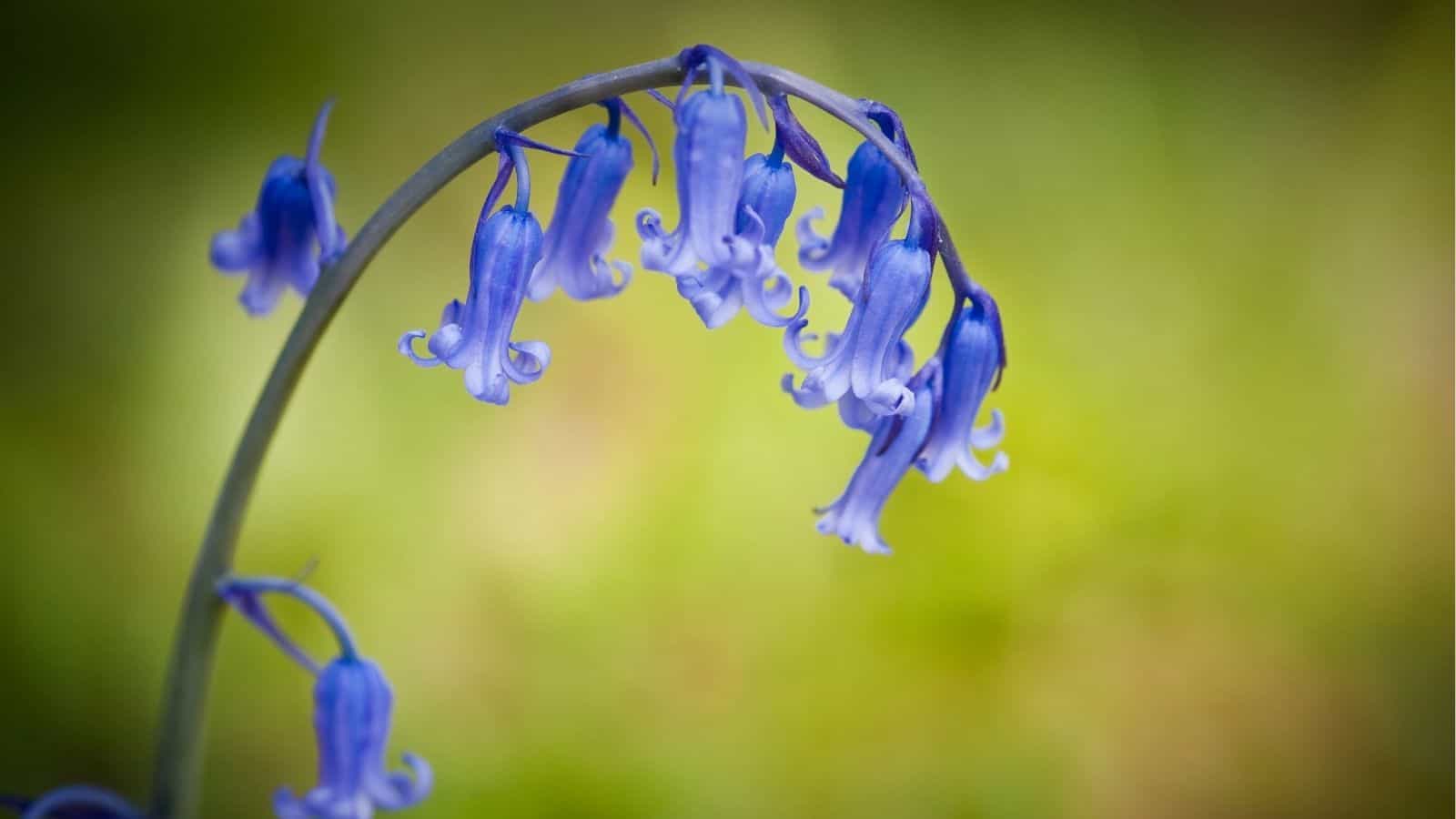
Bluebells were thought to ring when fairies danced, warning humans to stay away. Stepping on them without care could anger woodland spirits. These delicate flowers inspired awe and caution in folklore.
Foxglove

Foxgloves were associated with fairy magic and protection. Folklore suggested fairies left gloves for humans to find as gifts or warnings. Their spotted flowers carried mystical significance in gardens and woodlands.
Yew

Yew trees were linked to immortality, death, and protection. Often planted in churchyards, they were considered guardians of sacred spaces. Yew legends emphasize respect for longevity and mystery in nature.
Rowan

Rowan trees were thought to repel witches and evil spirits. Branches were often placed over doorways for protection. The berries and leaves symbolize safety, courage, and mystical power.
Primrose

Primroses were seen as a gateway to the fairy world in English folklore. Picking them at the wrong time could anger fairies. They were believed to bring luck, love, and protection when handled respectfully.
St. John’s Wort
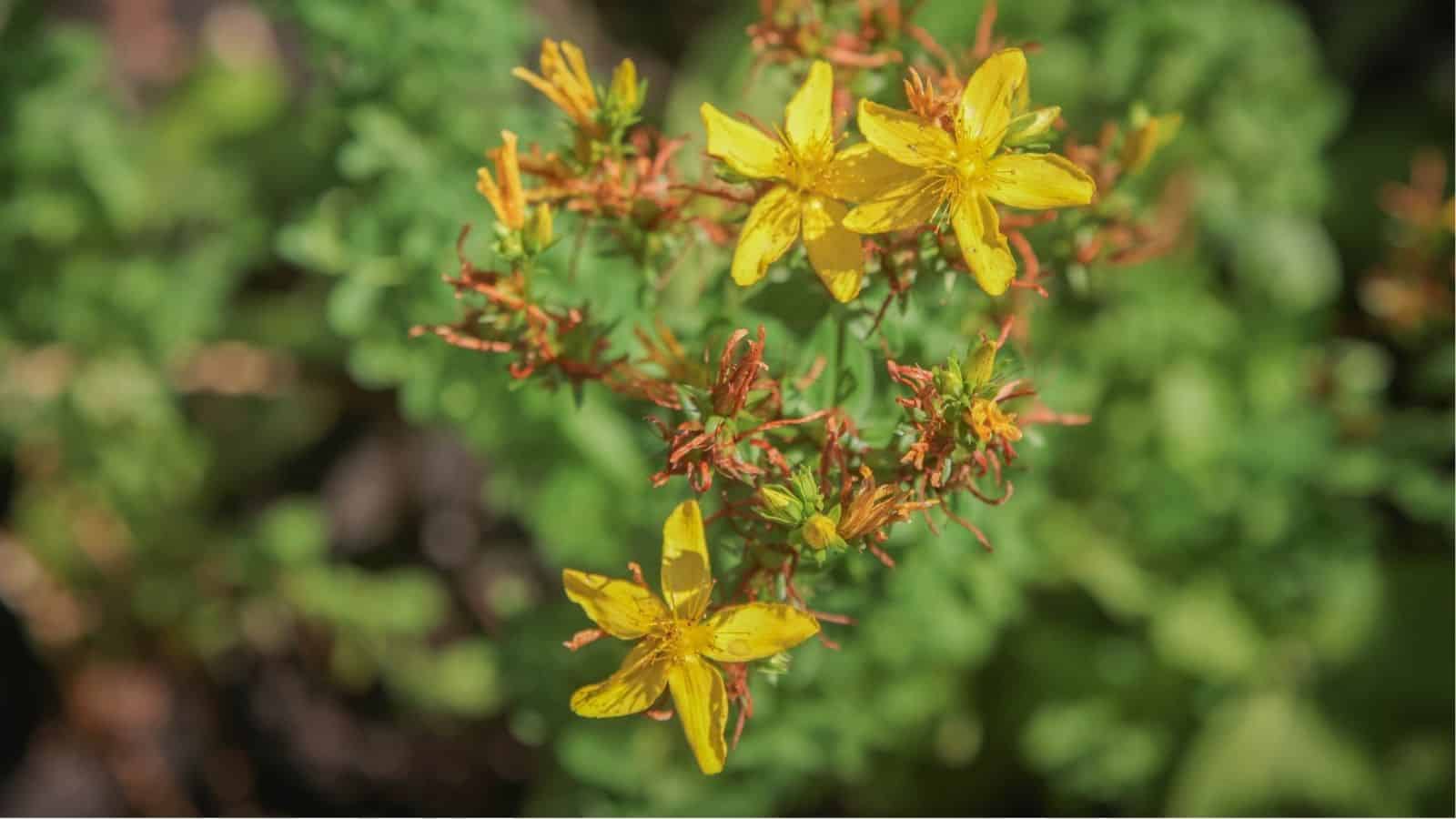
This herb was used to ward off evil spirits and nightmares. Hanging it over doors or windows in midsummer was common practice. Its sunny yellow flowers symbolize light and protection in folk traditions.
Nettles

Nettles were thought to offer protection against lightning, evil, and misfortune. Folk remedies used nettles for health and strength. Though prickly, they were valued for both magic and medicine.
Lily of the Valley

Lily of the valley was considered a messenger of spring and renewal. Folklore claimed it could bring happiness and protect homes from harm. Its sweet fragrance and delicate blooms carried symbolic meaning for generations.
Woodland plants are not just beautiful—they carry centuries of folklore and wonder. Bringing these plants into your garden or learning their stories keeps traditions alive and connects you to nature’s magic.





Comments
No Comments